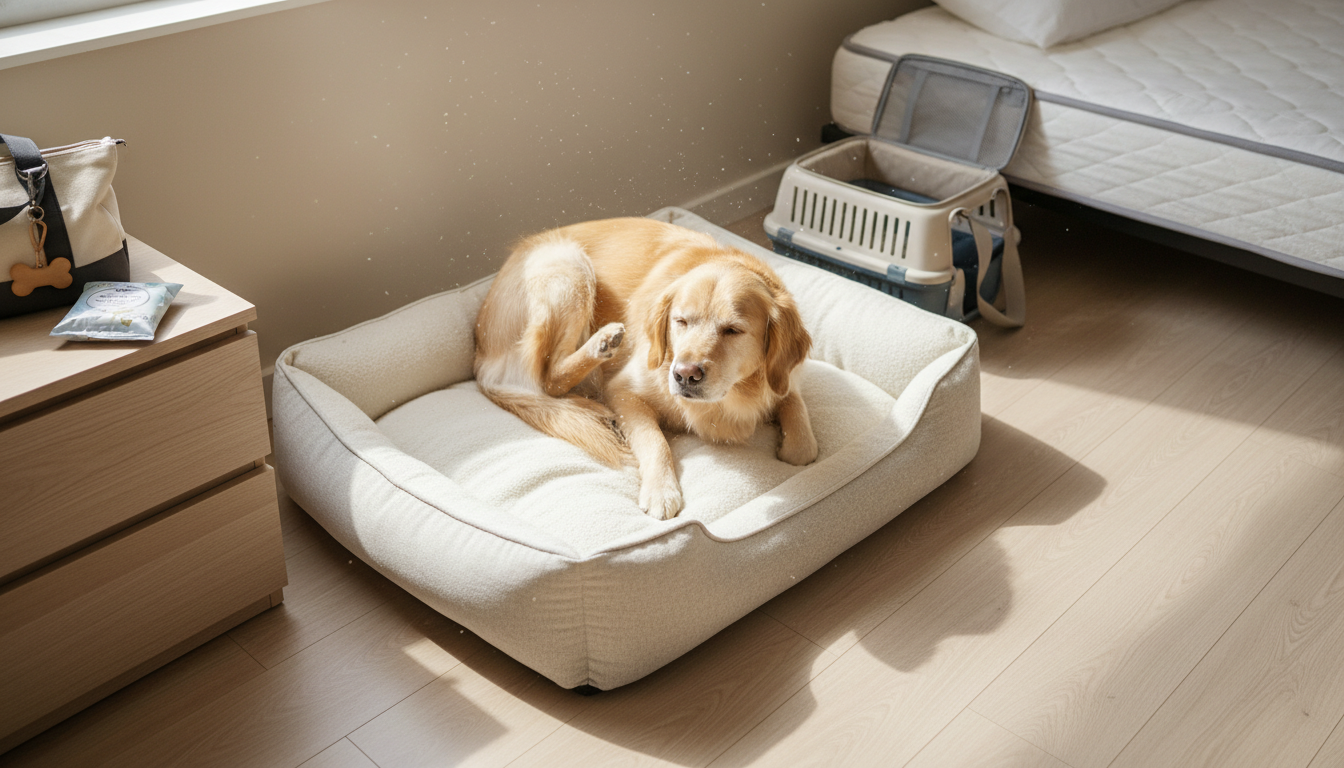
If you wake up feeling worse than when you went to bed, your mattress could be a clue. A true “mattress allergy” is usually a reaction to what lives in or clings to it—dust mites, mold, pet dander, or residues from detergents and fabric treatments—rather than the mattress itself.
Look for symptoms that are strongest in the bedroom, especially overnight or first thing in the morning: sneezing, runny or stuffy nose, itchy eyes, post-nasal drip, coughing, throat irritation, or wheezing. Skin can react too—itchiness, hives, or eczema flare-ups where your body touches the bed. If symptoms improve when you spend a night away from home (or even nap on a different surface), that’s another helpful hint.
Start with timing and location. If symptoms reliably spike when you lie down and ease during the day, your sleep setup is a prime suspect. Next, do a quick reset: wash bedding in hot water, swap to fragrance-free detergent, and vacuum around the bed. If you use a washable cover or pad, laundering it can make a noticeable difference fast—especially in pet homes where fur and dander collect.
Inspect for musty smells, damp spots, or visible discoloration that could suggest mold. Pay attention to the age of the mattress and whether it’s ever been exposed to moisture (spills, accidents, humid rooms). If pets share the bed, dander can build up over time, and the sleeping surface may need more frequent cleaning than the rest of the house.
If breathing symptoms are persistent, severe, or paired with asthma, consider speaking with an allergist for testing and guidance. For immediate comfort, a washable, non-slip layer that’s easy to remove and clean can be a cozy, practical step—especially for pet-friendly homes. For cleaning tips and a pet-centric setup, visit this guide to washable, non-slip mattress pads.
Yes. Rashes can come from dust mites, mold, pet dander, or contact irritation from detergents, fragrances, or fabric treatments that linger on bedding and covers.
Wash bedding on hot, dry thoroughly, vacuum with a HEPA filter, reduce clutter, and keep indoor humidity lower. Focus on soft surfaces like carpets, curtains, and upholstered furniture.
It’s a mattress designed to reduce common allergens by using materials and covers that resist dust mites and mold buildup. It doesn’t guarantee zero allergies, but it can help minimize triggers.