Below are practical points for question.
A dog’s sleep is one of their most vulnerable times, so the way they settle in at night can offer sweet clues about how safe they feel with you. While every pup has their own quirks, a trusting dog typically chooses rest over “staying on duty.”
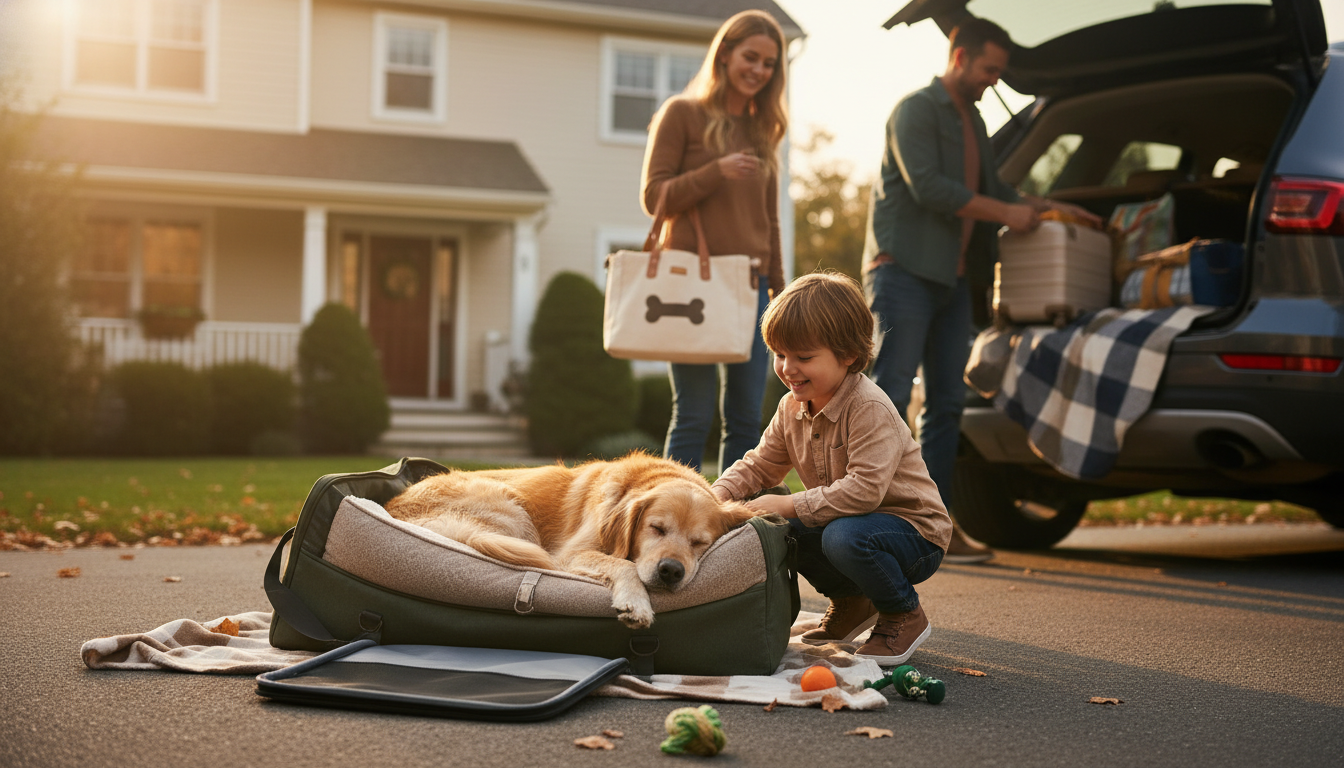
One of the clearest signs is relaxed body language. If your dog stretches out, loosens their jaw, sighs, or falls into a deeper sleep (you might notice gentle twitching or dream-paddling), that usually means they feel secure. Many dogs also show trust by sleeping on their side or even on their back with their belly exposed—positions they’re less likely to choose when they’re on alert.
Another sign is where they choose to sleep. A dog who trusts you may sleep in the same room, near your bed, or in a favorite spot where they can see or hear you. Some dogs prefer a little space but still want to be close enough to feel connected. If your dog settles easily after you start your nighttime routine and doesn’t constantly get up to check noises, that’s also a good indicator they’re comfortable in your home and with you.
Pay attention to how they respond if you move. A trusting dog might lift their head briefly, then quickly resettle. If they remain tense, startle easily, or pace, they may need more time, consistency, or a calmer sleep setup.
Comfort matters, too. A supportive, cozy bed can help a dog relax into deeper sleep—especially for pups who like a defined “nest” feeling. If you’re dialing in a bedtime space that stays clean, comfy, and inviting, visit this guide to creating a cozy midnight nest with a dog bed for practical tips.
Most dogs do best with a bed that matches their size and sleep style, offers easy-to-clean materials, and provides enough support for their joints—especially as they get older.