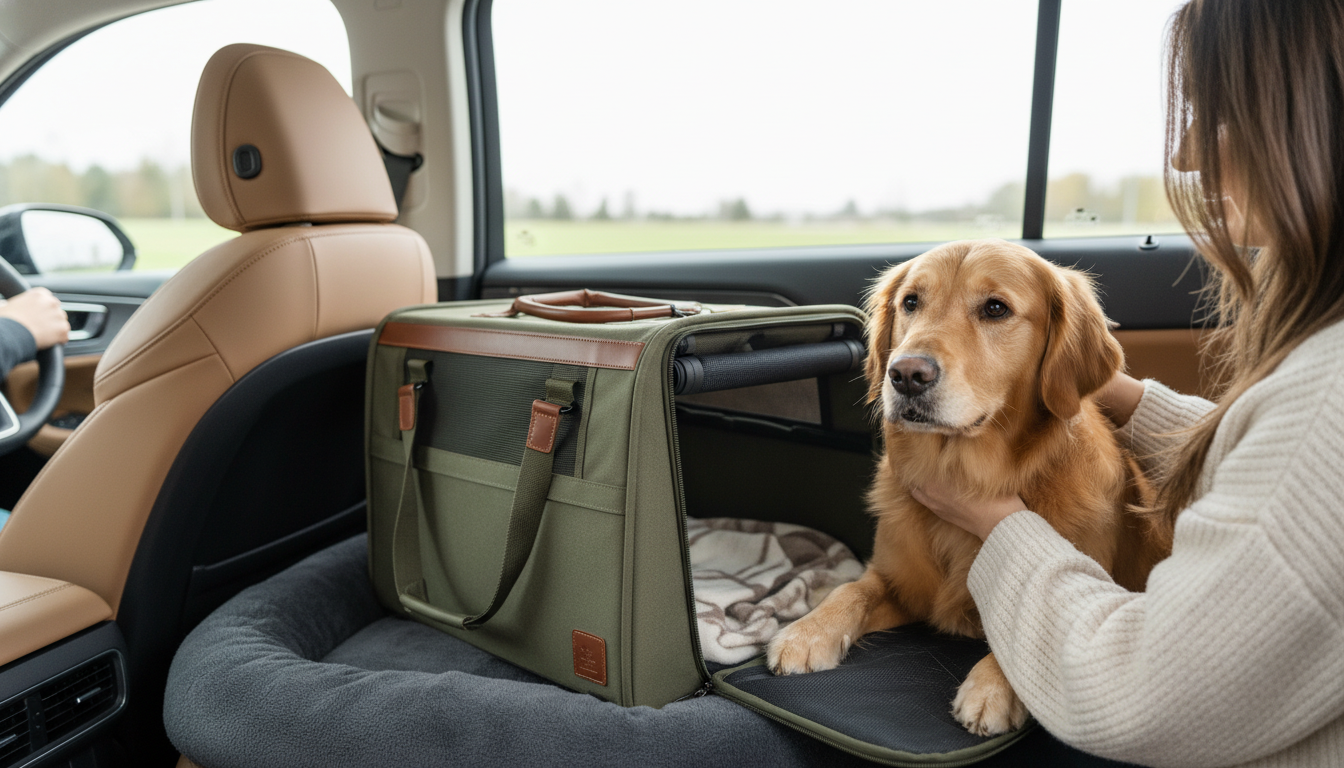
Some dogs melt into your arms like it’s their favorite place to be. Others tolerate it for a moment, then start wiggling like they’ve got places to go. The easiest way to tell is to watch your dog’s body language before, during, and after you pick them up or place them in a carrier.
Dogs that like being carried usually look relaxed and comfortable. Common “yes” signals include a soft face, loose muscles, neutral ears, and steady breathing. Many dogs will lean into your chest, rest their head on your arm, or settle quickly without trying to escape. If your dog happily approaches when you grab the carrier or walking bag, that’s another strong clue they associate being carried with safety and comfort.
Watch for stiffening, tucked tail, whale eye (showing the whites of the eyes), lip licking, yawning, panting when it’s not hot, or repeated attempts to jump down. Growling or snapping is a clear “no.” Even subtle squirming can mean your dog feels insecure, pressured, or physically uncomfortable—especially if they’re older, sore, or have sensitive joints.
Pay attention to what happens after you set your dog down. If they shake off, avoid you, or walk away quickly, being carried likely felt stressful. If they stay close, seek more contact, or calmly continue the outing, it probably felt reassuring. Keeping sessions short and pairing carries with calm praise can help your dog feel safer over time.
Support the chest and hindquarters, keep your dog close to your body, and avoid dangling legs. For longer walks or travel days, a structured dog carrier or walking bag can reduce strain and help your pup feel stable. For more comfort-focused tips and gear ideas, visit this guide to pet travel comfort gear, dog carriers, and walk bags.
Some do, especially small dogs or pups that feel safer off the ground. Others prefer walking and may only tolerate being carried when tired, anxious, or in crowded places.
A dog that likes being held will stay relaxed, lean in, and settle quickly without struggling. If they stiffen, avert their eyes, or try to get down, they’re likely uncomfortable.
It depends on the cat. Many cats prefer short carries with full body support, while others get stressed and will try to squirm away.