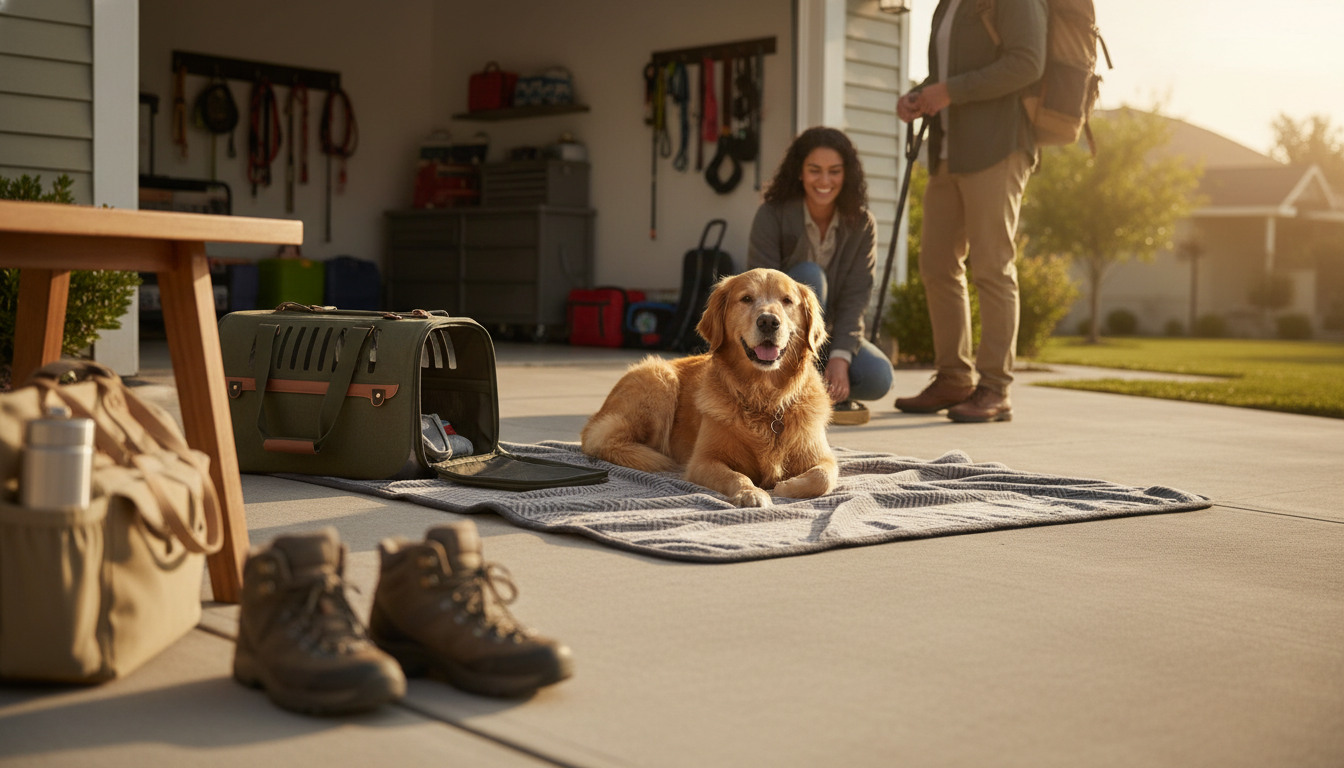
Self-heating pet blankets are designed to feel warmer without plugging in or using batteries. Instead of creating heat, they capture your pet’s natural body warmth and reflect it back, helping your dog or cat stay cozy in chilly rooms, drafty floors, or during quiet nap time.
Most self-warming blankets use a layered construction. Near the center is a thin “radiant” layer—often a crinkly, reflective film—that bounces heat back toward your pet. Around that layer are soft fabrics and insulating fill that slow down heat loss. The result is a gentle, consistent warmth that builds after your pet settles in for a few minutes.
Because the blanket relies on body heat, it won’t feel hot to the touch when no one is using it. Once your pet lies down, the blanket gradually warms in the spots where they’re resting—more like a cozy pocket of warmth than an electric heating pad. This makes it a popular option for pets who like comfort without intense heat.
They’re especially helpful on cold surfaces like tile, near windows, or in rooms that run cooler at night. They also make a nice topper for a bed, crate mat, or travel setup, adding a warm layer without changing your routine. For small dogs and puppies, pairing a self-warming layer with a supportive, cuddle-friendly bed can make naps feel extra secure.
Looking for a comfy setup that supports restful lounging? Visit this helpful guide on choosing a cozy round bed for small dogs and puppies: https://kingwuff.com/blog/guide-paw-pillow-round-dog-bed-small-dogs-puppies/.
Most electric heated dog beds are designed to be low-wattage and energy-efficient, often using less power than a standard light bulb. Exact costs depend on the wattage and how many hours per day it runs.
They’re typically made with soft outer fabrics plus an insulating fill and a reflective inner layer that returns your pet’s body heat. Many also include a non-slip bottom for stability on smooth floors.
It can be, as long as the blanket is used safely and your cat can move away if they get too warm. Avoid high heat settings and don’t use it with kittens, seniors, or medically fragile cats unless your veterinarian says it’s appropriate.