Cold-weather walks can be refreshing, but some dogs chill faster than others—especially small breeds, seniors, short-haired pups, and dogs that aren’t moving much. The easiest way to tell is to watch for a cluster of body-language signs rather than a single symptom.
Look for shivering, tense posture, a tucked tail, or ears pinned back. Many dogs will start lifting paws, slowing down, or stopping repeatedly as the cold sets in. Whining, looking back at you, or trying to head toward home can also be a quiet “I’m done” signal.
Paws are often the first place dogs feel discomfort. If your dog keeps switching which paw is down, licks paws excessively, or seems reluctant to step forward, the ground may be too cold (or irritating from ice melt). Also feel your dog’s ears and belly area—if they’re noticeably cold to the touch and your dog is acting “off,” it’s time to warm up.
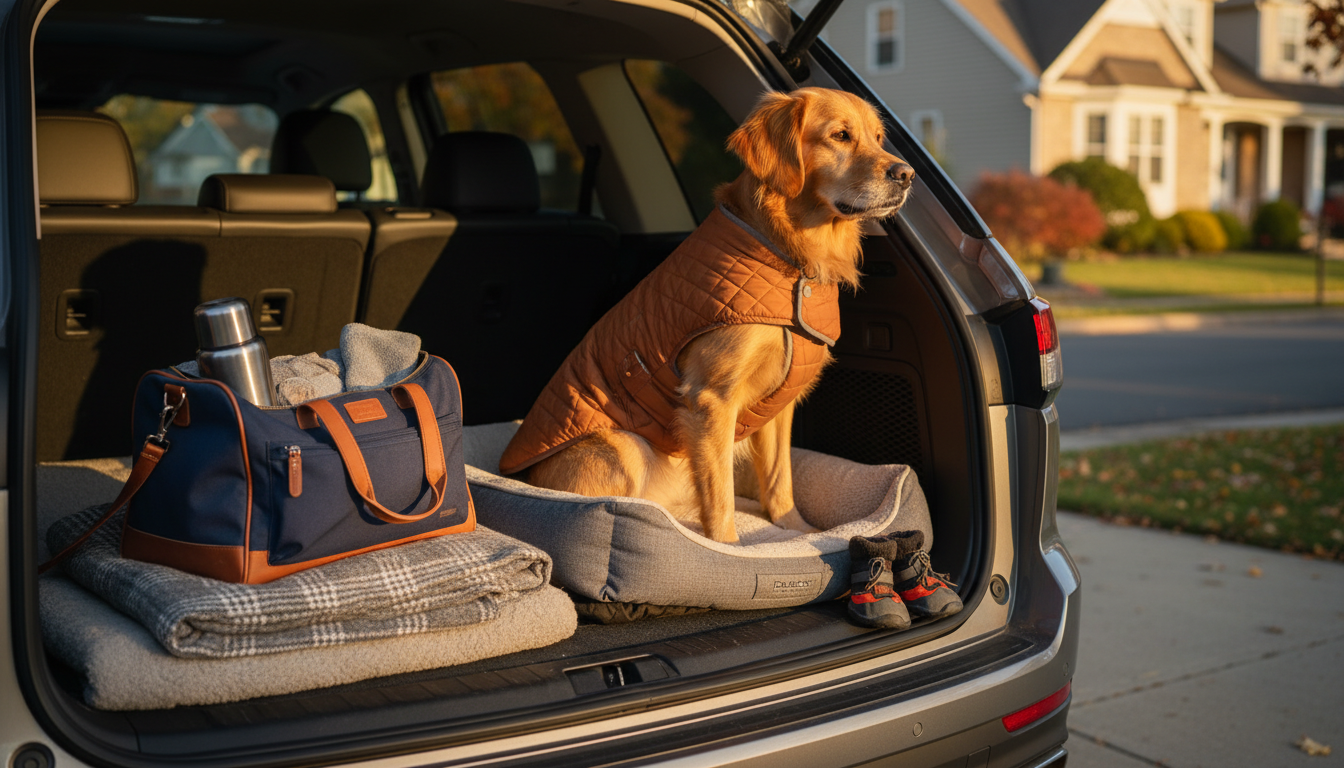
Cut the walk short and head to a warmer spot. Dry off any wet fur, and offer a warm, calm break indoors. For future outings, consider a well-fitting coat or sweater, booties for sensitive paws, and shorter routes with more movement to keep body heat up. On winter walks, having essentials close at hand helps—treats, wipes, and poop bags—so you can manage quick stops without fumbling with gloves.
For more cold-weather walking tips and an easy way to stay organized on every outing, visit this hands-free dog walking bag guide.
If your dog is lifting paws, refusing to walk, or acting suddenly hesitant, the ground may be uncomfortably cold. Ice, crusted snow, and salted sidewalks can also cause stinging or irritation.
The “7-7-7 rule” is commonly used for helping a dog settle into a new home: roughly 7 days to decompress, 7 weeks to build routine, and 7 months to feel fully at home. It’s a guideline, not a strict timeline.
For many dogs, 7°F is dangerously cold—especially without proper shelter, insulation, and constant access to water. Even cold-tolerant breeds can be at risk for hypothermia or frostbite in those conditions.