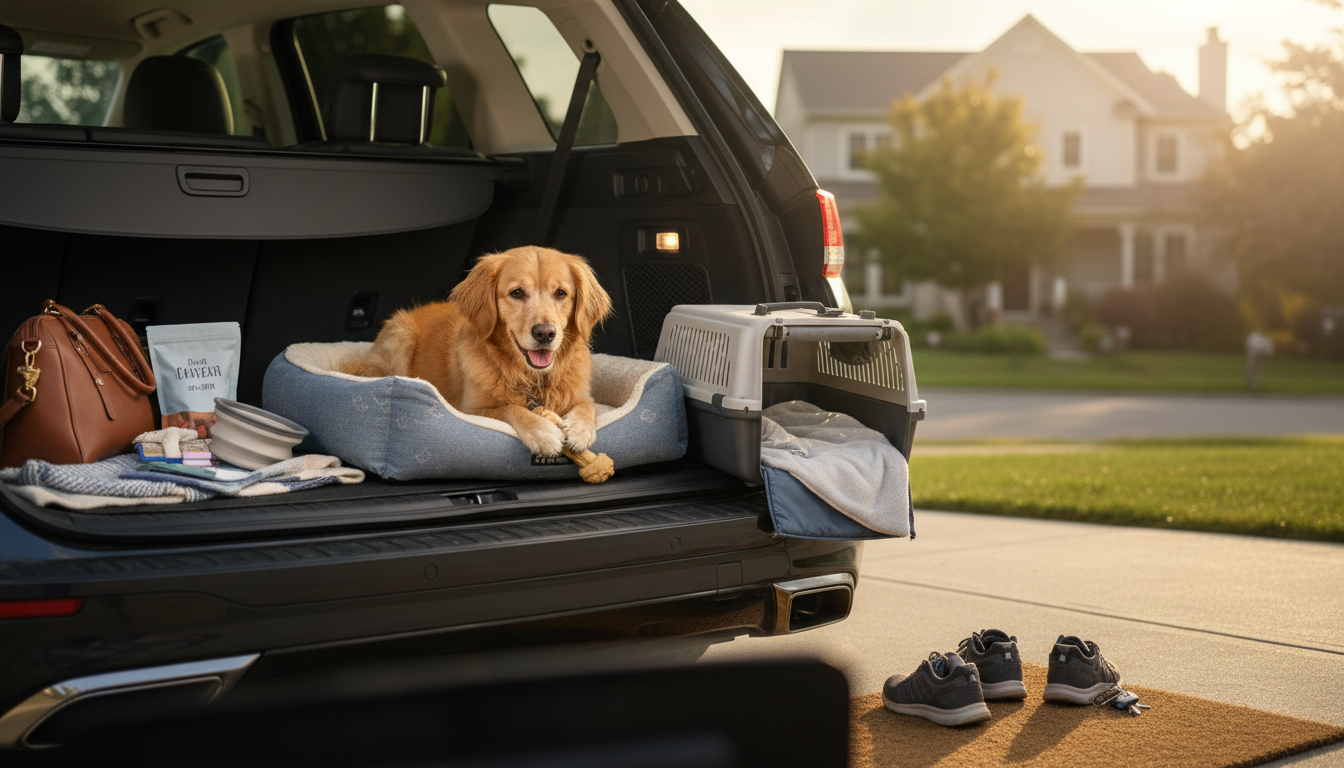
Car anxiety usually improves when rides feel predictable, comfortable, and safe. Start by ruling out motion sickness or pain with your vet, then build calmer associations with the car using short, easy sessions that slowly grow into real drives.
Many dogs relax faster when they’re contained in a stable, cozy spot instead of sliding on the seat. Use a crash-tested harness or a well-structured carrier/dog car seat that keeps your pup supported and reduces visual overwhelm. Add a familiar blanket that smells like home and keep the temperature cool with steady airflow.
Do a few no-pressure “car hangouts” each week: open the door, let your dog hop in, treat, then hop out. Next, sit in the parked car for 30–60 seconds with calm praise. When that’s easy, start the engine without moving, then progress to very short drives around the block.
Avoid busy routes and sudden stops. Play soft music, keep your own movements calm, and reward quiet behavior. If your dog is anxious about destinations (like the vet), mix in “fun rides” to parks or quick pup-friendly errands so the car doesn’t always predict something unpleasant.
Limit window access if your dog reacts to passing cars, people, or dogs. A carrier or car seat with higher sides can help, as can closing shades and keeping the cabin uncluttered. Skip heavy meals right before driving, and offer a quick potty break before you load up.
For some dogs, calming aids (like pheromone sprays, anxiety wraps, or vet-approved supplements/medications) can make training possible. If your dog pants heavily, drools, vomits, or panics despite gradual practice, ask your vet for a tailored plan.
For more tips on building a safer, comfier setup for rides, visit this guide to the Puff Puppy Dog Car Seat & Carrier Bag.
Common causes include motion sickness, past scary rides, overstimulation from sights/sounds, or stress about where the trip ends (like the vet). A vet check plus gradual, reward-based practice usually helps pinpoint and improve the problem.
It can help some dogs by providing gentle, consistent pressure that feels calming. It works best when paired with slow desensitization training and a secure travel setup.
Reduce visual input (higher-sided seat/carrier or limited window access), keep the cabin cool and quiet, and reward calm behavior. Shorter rides with breaks can prevent your dog from escalating into full stress mode.