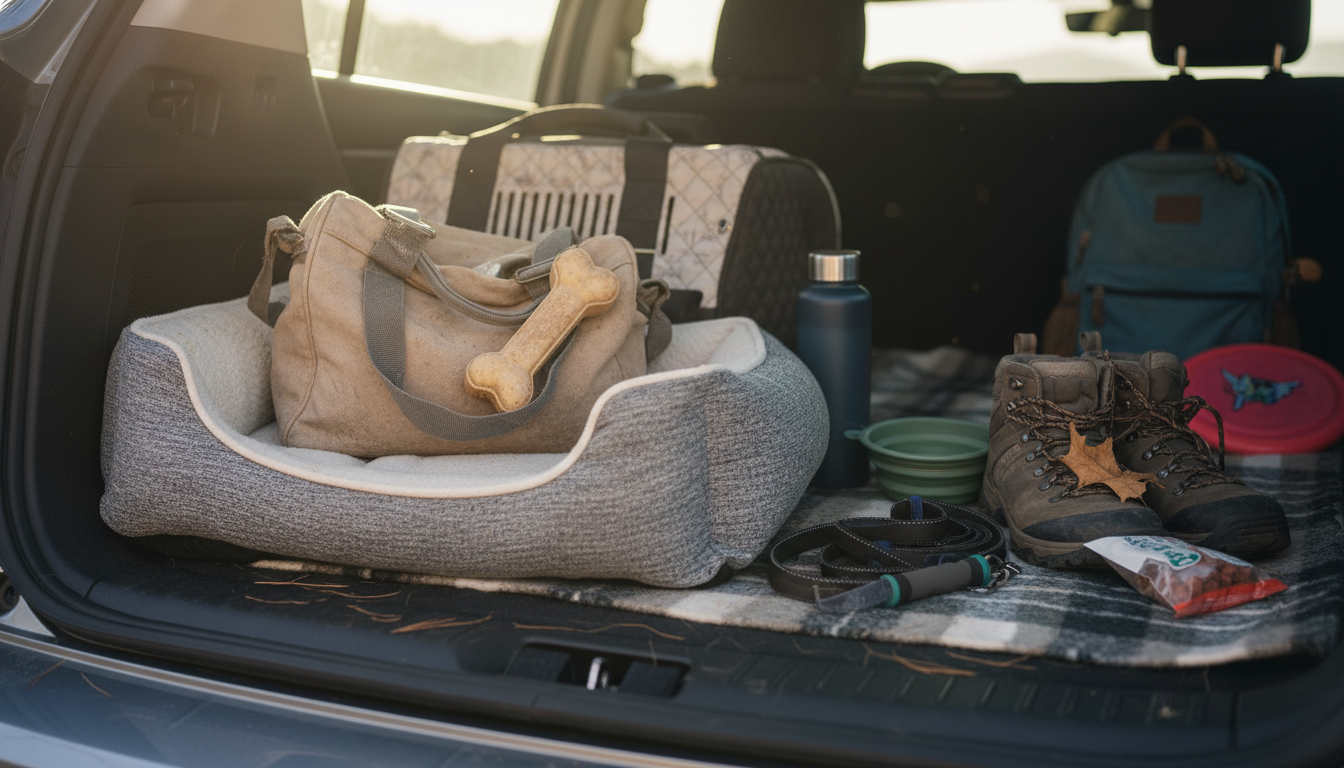
Daily walks are a wonderful routine, but “more” isn’t always better. The right amount depends on your dog’s age, breed, fitness level, weather, and any health conditions. If your pup seems wiped out, sore, or stressed after walks, it may be time to scale back and focus on shorter, more comfortable outings.
Below are practical points for signs your dog may be getting too much walking.
A happy post-walk vibe is normal—crashing hard, struggling to get up, or sleeping far more than usual can signal overdoing it. Some dogs may also lag behind, sit down mid-walk, or repeatedly try to head home.
Watch for limping, soreness the next day, licking paws, cracked pads, or worn nails. Hard surfaces, hot pavement, ice melt, or long distances can add up fast, especially for puppies, seniors, and dogs with joint issues.
Overwalking can show up as irritability, avoiding the leash, increased anxiety, or restlessness. If your dog was once eager and now seems reluctant when the leash comes out, that’s worth noticing.
Excessive panting, drooling, vomiting, diarrhea, or refusing water after exercise can indicate overheating or overexertion. In warm weather, shorten walks and prioritize shade and breaks.
Try splitting one long walk into two shorter ones, choosing softer terrain (grass or trails), and building in sniff breaks. On high-energy days, swap some distance for brain work—like “find it” games or basic training—so your dog gets enrichment with less wear on their body.
For a smoother, less stressful routine, staying organized helps: keep essentials close, hands-free, and easy to reach. For tips on carrying treats, waste bags, water, and other walking must-haves, visit this guide to a hands-free, organized dog walking bag.
If limping lasts more than a day, your dog won’t put weight on a leg, or you see signs of heat stress (weakness, vomiting, bright red gums, collapse), contact a veterinarian promptly. When in doubt, it’s safer to shorten walks until you get guidance.
Most dogs do best with a bed that matches their size and sleep style, offers easy-to-clean materials, and provides enough support for their joints—especially as they get older.