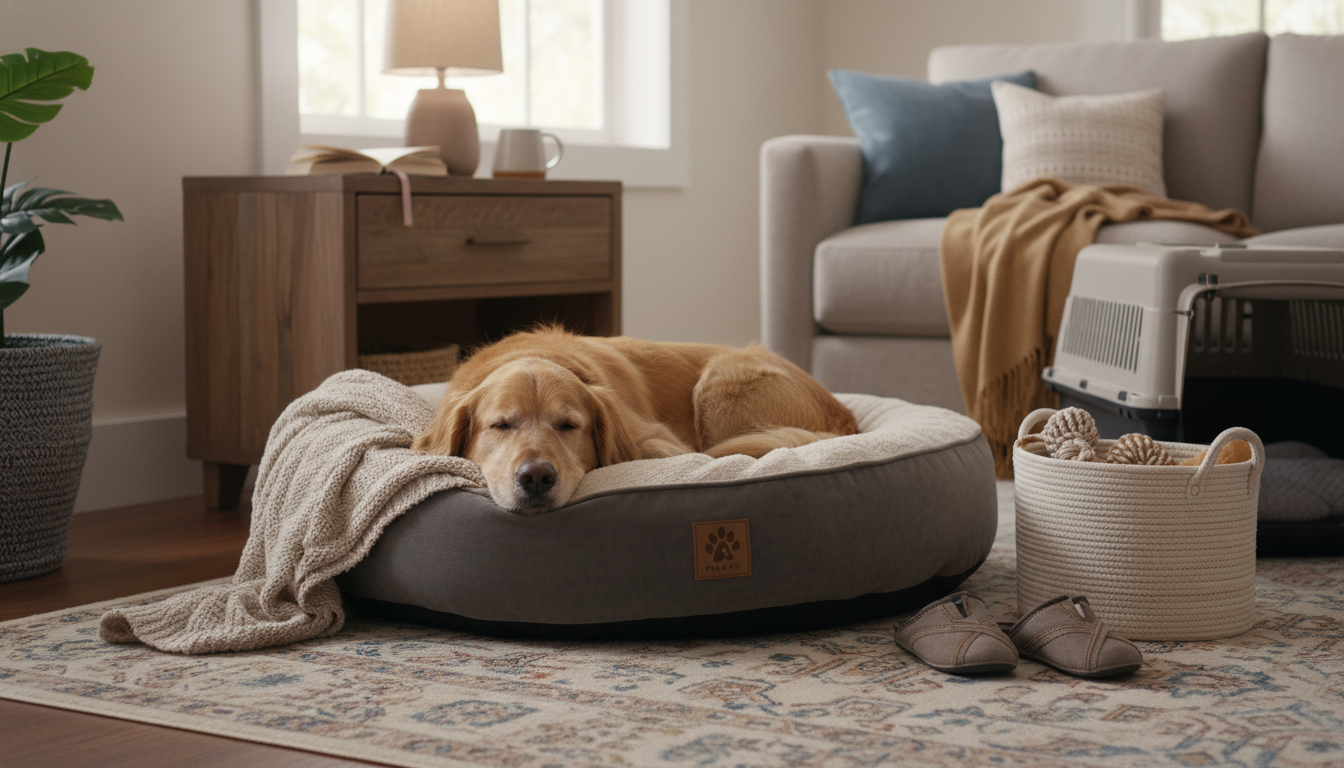
If your dog used to curl up beside you and suddenly stopped, it’s usually a comfort, routine, or “something feels different” issue—not stubbornness. Start by checking for a simple reason: a new blanket smell, a changed bedtime schedule, a different mattress, or a recent move. If your dog seems stiff, pants more at night, avoids being picked up, or is unusually restless, a quick vet check can rule out pain or anxiety triggers.
Bring back the exact cues your dog remembers: a last potty break, dim lights, and a calm wind-down. Invite your dog up the same way every night (a consistent phrase and gentle pat) and reward any step toward the bed—approaching, placing paws up, or settling. Keep your voice quiet and movements unhurried so the bed feels like the calmest spot in the house.
Some dogs stop sleeping with you because the bed became “hard to manage.” Add a sturdy pet stair or ramp for small dogs, seniors, or dogs with joint sensitivity. Keep nails trimmed to prevent slipping. If your dog prefers a defined boundary, place a small blanket or topper on one side so they have a familiar “nest” zone.
Counterintuitively, the fastest way to get bed-sharing back is often to remove pressure. Set a supportive dog bed right beside your bed for a week or two. Once your dog is reliably choosing that spot, invite them up for short snuggle sessions, then let them decide whether to stay. A dedicated sleep surface can reduce overheating, startle waking, and night-time shifting.
Fresh, washable bedding helps eliminate odors that can make dogs avoid a spot. For a simple, pet-centric setup that stays cozy and easy to maintain, follow this guide: Midnight Nest Dog Bed: Cozy, Clean, Sleek Comfort.
Move them gradually: start with a bed beside yours, reward calm settling, and keep the same bedtime routine. Consistency and comfort matter more than correction.
It’s commonly discussed as early, middle, and late stages, with increasing confusion, sleep-wake changes, and disorientation over time. A vet can help confirm what’s normal aging versus cognitive decline.
Reintroduce the routine, make the bed easy to access, and reduce pressure by offering a comfy bed next to you. If your dog seems uncomfortable or anxious, check in with a vet first.