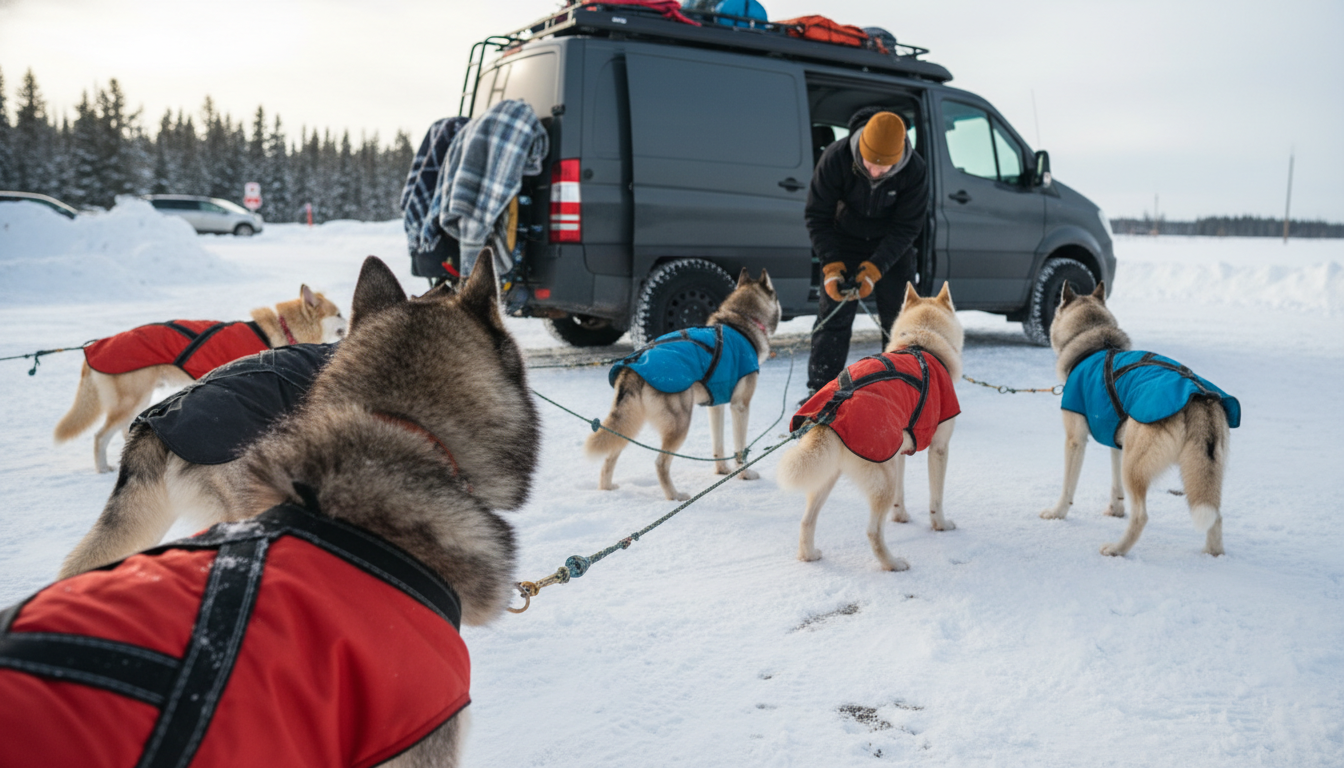
Sled dogs stay warm through a smart mix of natural insulation, constant movement, high-calorie nutrition, and careful handling by their mushers. Breeds commonly used for sledding (like Alaskan Huskies, Siberian Huskies, and Malamutes) are built for cold: their dense double coats trap warm air close to the skin while shedding snow and moisture on top.
When they’re running, their bodies generate plenty of heat. That steady work keeps circulation strong in their core and limbs, which is why you’ll often see teams comfortably pulling even in subzero temperatures. At rest, they rely more on shelter and bedding—because wind and dampness are what steal warmth the fastest.
Several practical factors do the heavy lifting:
Even if your dog is more “couch explorer” than trail athlete, the basics still apply: warmth comes from staying dry, blocking drafts, and resting on cushioned, insulating surfaces rather than cold floors. A cozy, supportive bed can make a big difference for recovery after winter walks or chilly travel days.
If you’re choosing a sleep setup that prioritizes comfort, easy cleaning, and a sleek look that fits your home, explore the details in this guide: https://kingwuff.com/blog/guide-midnight-nest-dog-bed-cozy-clean-sleek-comfort/.
They use thick double coats, generate heat through exercise, and conserve warmth by resting in dry, sheltered spots. Mushers also add gear like dog coats or booties when conditions demand it.
They typically sleep in insulated dog houses or sheltered areas with straw or bedding that reduces heat loss to the ground. Protection from wind and moisture is especially important.
Cold-adapted bodies, calorie-rich nutrition, and attentive care help them thrive. Their routines focus on staying fueled, staying dry, and limiting exposure to wind during rest periods.