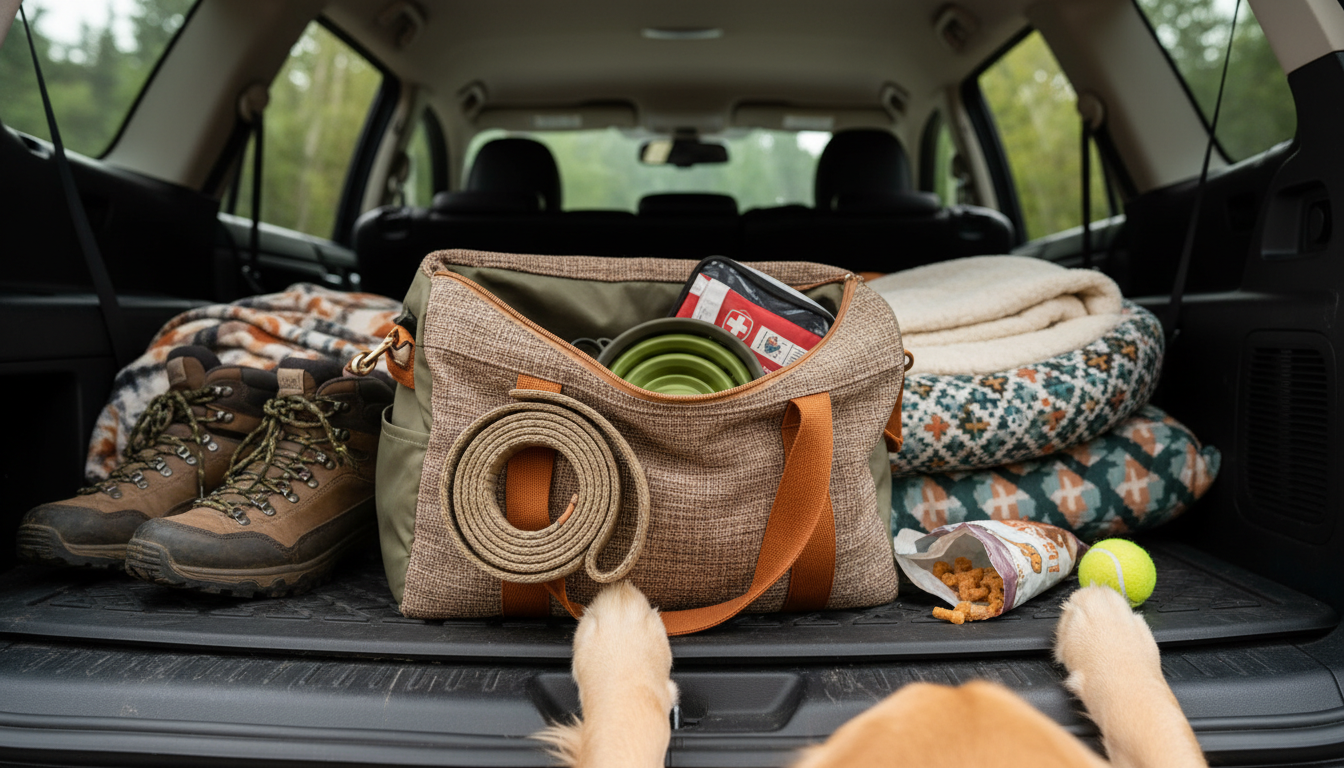
Yes—regular walking can help strengthen a dog’s legs, especially when it’s consistent, appropriately paced, and matched to your dog’s age and fitness level. Walking works the muscles in the hips, thighs, and lower legs while also supporting joint mobility and balance. Over time, that steady, low-impact movement can build endurance and improve how confidently your dog moves.
The key is “smart walking,” not just longer walks. A relaxed, even stride on stable ground can be great for most dogs, while gentle hills, short grassy stretches, or a slightly brisker pace can add a little extra challenge without turning the walk into a workout that’s too intense.
Start with consistency. A 15–30 minute walk most days is often more beneficial than one long weekend trek. If your dog is deconditioned, begin shorter and add a few minutes every week.
Add “micro-challenges.” A few minutes of mild incline, slow step-overs (like curb-height changes), or walking on grass can recruit stabilizer muscles. Keep it gentle and stop if your dog starts lagging, limping, or bunny-hopping.
Prioritize good form. Pulling hard on leash can shift posture and reduce the quality of movement. A comfortable setup helps your dog move naturally—and keeps your hands free and organized, too. For a practical, cozy way to streamline treats, waste bags, and essentials, see this hands-free dog walking bag guide.
If your dog has arthritis, recovering from an injury, or has noticeable hind-end weakness, walking alone might not build strength fast—and pushing too hard can backfire. Talk with your vet if you notice dragging toes, knuckling, repeated slipping, yelping, or a sudden change in gait. Many dogs benefit from a tailored plan that includes controlled walks plus targeted strengthening exercises.
Use short, frequent walks, gentle inclines, and low-impact strengthening like sit-to-stands if your vet approves. Keep sessions brief and stop at the first sign of fatigue or soreness.
Many dogs can improve, depending on the cause and how early it’s addressed. Veterinary guidance, consistent rehab-style exercise, and supportive surfaces at home can make a meaningful difference.
The stages generally progress from mild hind-limb weakness to coordination loss, then severe mobility impairment and, eventually, paralysis. A veterinarian can help confirm the condition and outline supportive care for each stage.