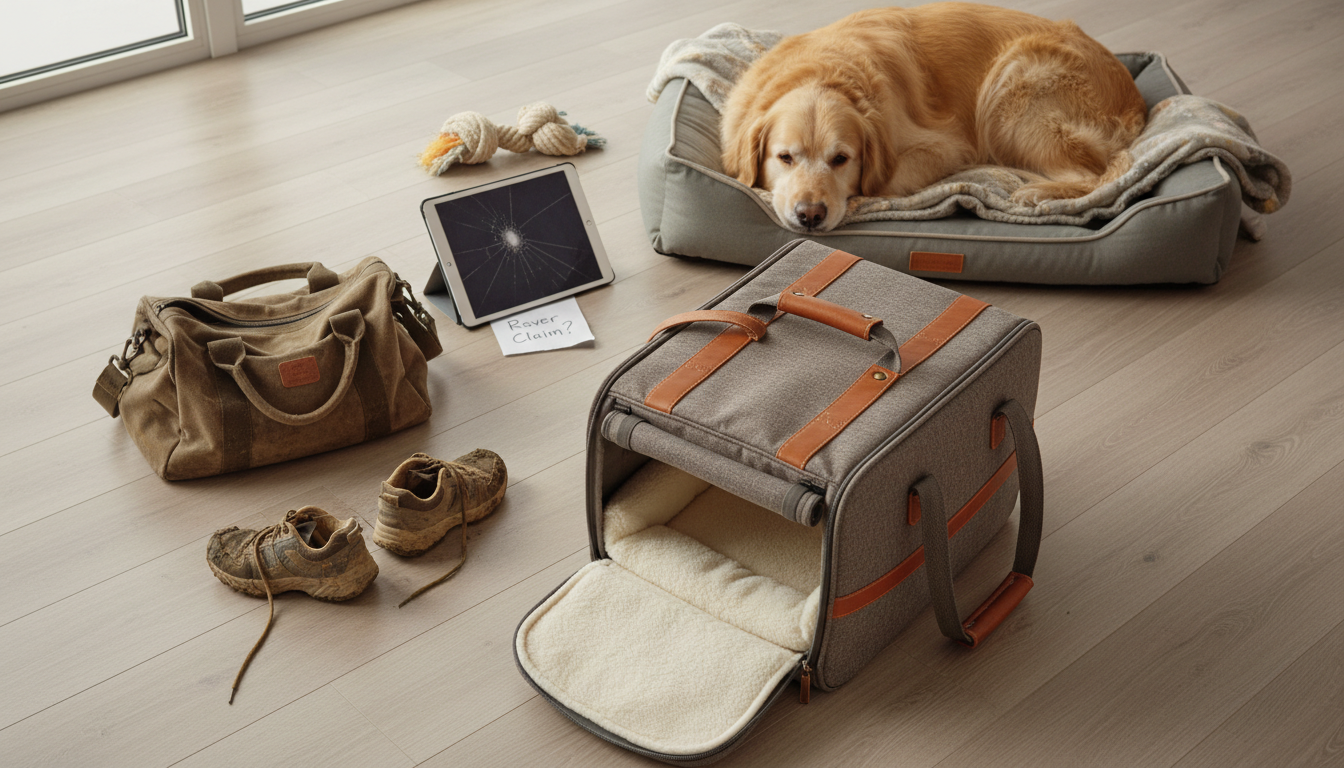
Rover may help cover certain damages, but it’s not a simple “yes” for every situation. Coverage depends on what happened, who was responsible, and whether the incident fits within Rover’s terms and any applicable protection programs.
Rover is best known for offering support when something goes wrong during a booked service (like a walk, drop-in, or boarding). In many cases, the platform can assist with qualifying vet bills or injury-related incidents tied to a reservation. When it comes to property damage—like chewed furniture, scratched doors, or a broken item—coverage can be more limited and may not apply the way pet parents expect.
Common scenarios where payment may be restricted include:
If something gets damaged during a Rover service, acting quickly helps keep things clear and calm:
Even when coverage doesn’t apply, clear documentation and respectful communication often lead to the smoothest outcome—especially when both pet parent and sitter are focused on safety first.
A lot of “damage” moments start on the move: tangled leashes, dropped items, sudden pulls, or fumbling for keys. A hands-free, organized setup can reduce stress and keep essentials secure. For practical walking tips and a gear breakdown, see this guide to the Red Rover dog walking bag and hands-free waist pack.
It can be a good choice for many dogs if it fits their size and sleep style and uses supportive, washable materials. Look for a non-slip base, durable stitching, and enough cushioning—especially for seniors or larger breeds.