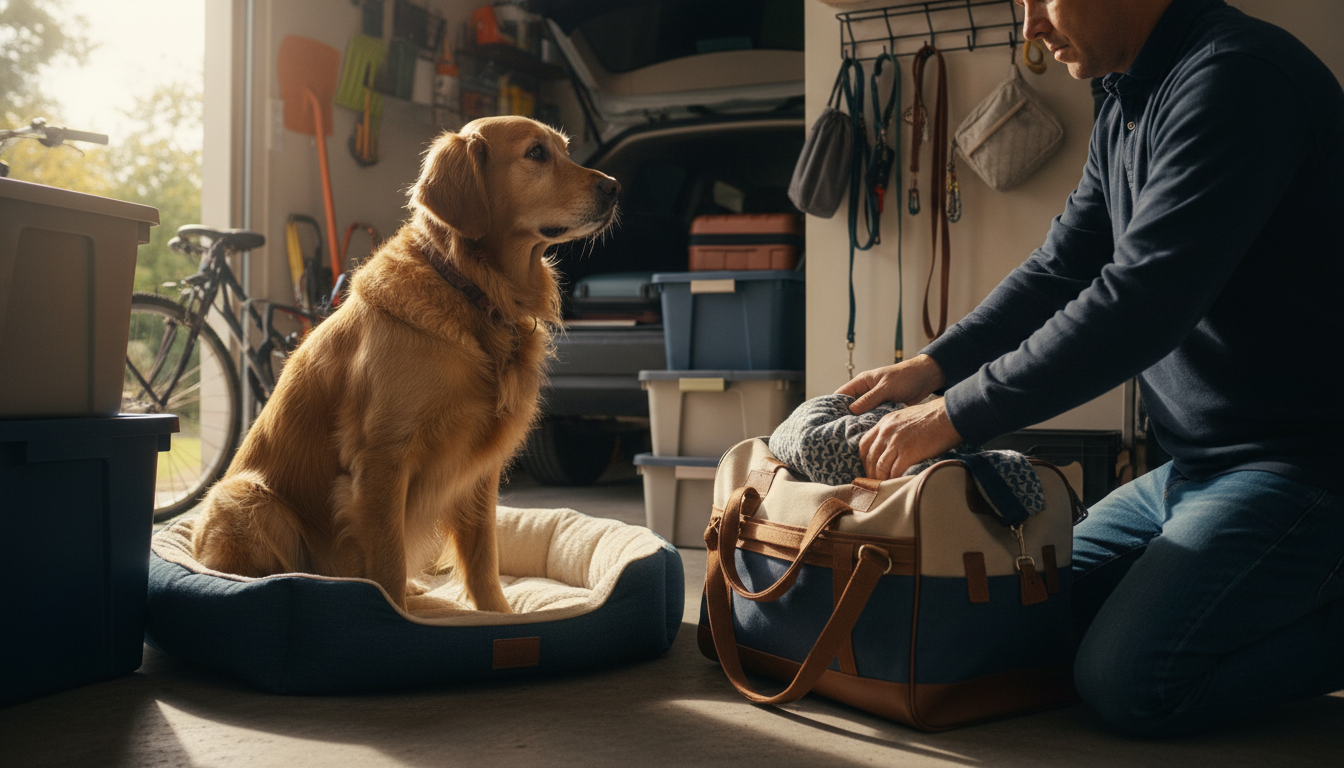
Yes—most dogs do think about their people when they’re apart. Dogs form strong attachments and use familiar cues (your scent, routine, voice, and even the places you usually sit) to “check in” on you while you’re away. They may not replay memories the same way humans do, but they notice your absence and often look for signs that you’ll be back.
Many dogs show it through small, everyday behaviors: waiting by the door, following sounds in the hallway, carrying a favorite toy around, or choosing to rest where your scent is strongest (like your bed or a well-loved blanket). Some pups become extra clingy when you return, while others act calm but stay close—both can be signs that you matter deeply to them.
Dogs handle separation best when their environment feels predictable, safe, and cozy. A comfortable “home base” can help them settle their nervous energy and rest more easily while you’re gone. Creating a consistent resting spot—quiet, soft, and easy to clean—supports relaxation and can reduce pacing, whining, or restless wandering.
If you’re refreshing your dog’s space, a supportive bed designed for everyday comfort can make a noticeable difference. For a pet-centric, clean look that’s easy to maintain, see the guide to the Midnight Nest Dog Bed here: https://kingwuff.com/blog/guide-midnight-nest-dog-bed-cozy-clean-sleek-comfort/.
Try leaving a recently worn T-shirt, keeping departure cues low-key, and offering a long-lasting chew or enrichment toy right before you step out. If possible, maintain your usual walk and meal schedule, since routine is reassuring. For dogs who struggle more, brief practice absences and a calm, comfy rest area can build confidence over time.
It varies by personality and routine, but many dogs show signs of missing you most strongly in the first few days. With consistent care and a familiar setup, they often settle while still being happy and excited when you return.
Most dogs rebound quickly once you’re back and routines return. A calm reunion, extra quality time, and familiar comforts usually help them readjust fast.
Yes, dogs can feel distress when they lose consistent care or companionship. Stable routines, gentle handling, and a safe, comfortable space are key to helping a dog recover and feel secure.