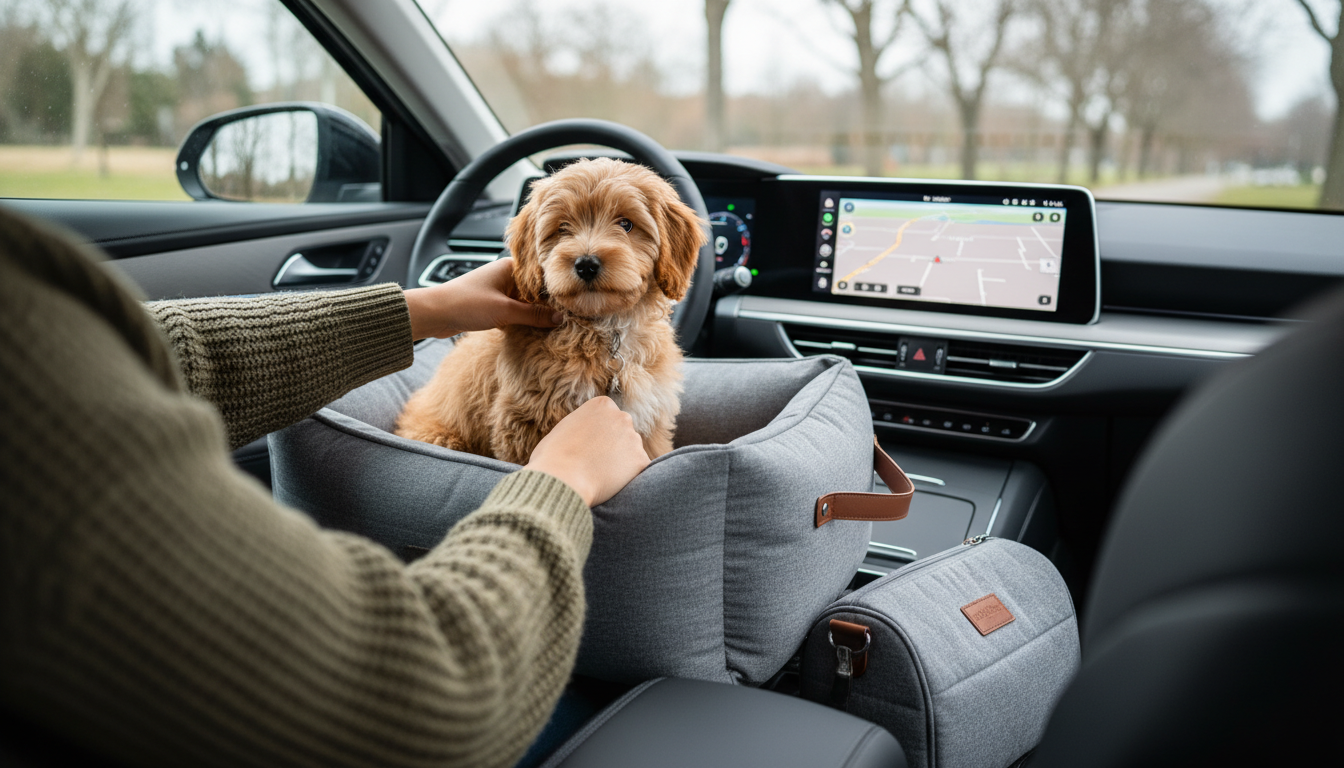
Most dogs don’t view their people as “their child” in the human sense. Instead, many dogs treat their favorite person as a trusted caregiver and safe home base—someone who provides food, routines, protection, and comfort. That bond can look a lot like a parent-child dynamic, but it’s closer to a secure attachment: your dog feels safest when you’re near, checks in with you, and relaxes most when her needs are met.
If your dog follows you from room to room, leans into you, brings you toys, or relaxes the moment you sit down, she’s showing, “You’re my safe person.” Dogs also tend to mirror the emotional tone of their home. A calm, consistent routine and gentle handling can make your dog more confident—because she trusts that you’ve got things handled.
Look for behaviors tied to security and guidance: she checks in with you on walks, looks to you when something is unfamiliar, settles faster when you’re close, and prefers resting near your scent. Some dogs also show “nurturing” behaviors like licking your hands or face. That’s typically affection, grooming, and bonding—not parenting.
Dogs build trust through repeated comfort: predictable mealtimes, safe spaces, and cozy rest. A dedicated bed in a quiet corner can become your dog’s “nest,” helping her self-soothe and settle even when you’re busy. If you’re refreshing your dog’s sleep setup for cleaner, calmer lounging, check out this guide to the Midnight Nest dog bed for a warm, pet-centric look at comfort, durability, and easy care.
Dogs usually don’t see people as their child, but they may treat you like a caregiver. Common signs include following you, checking in with you, and relaxing most when you’re nearby.
Often-cited signs include seeking you out for comfort, looking to you for direction in new situations, staying close during rest, and calming down quickly when you return.
Generally, no. Dogs are more likely to form an attachment that resembles a secure caregiver bond rather than a “parenting” role toward humans.