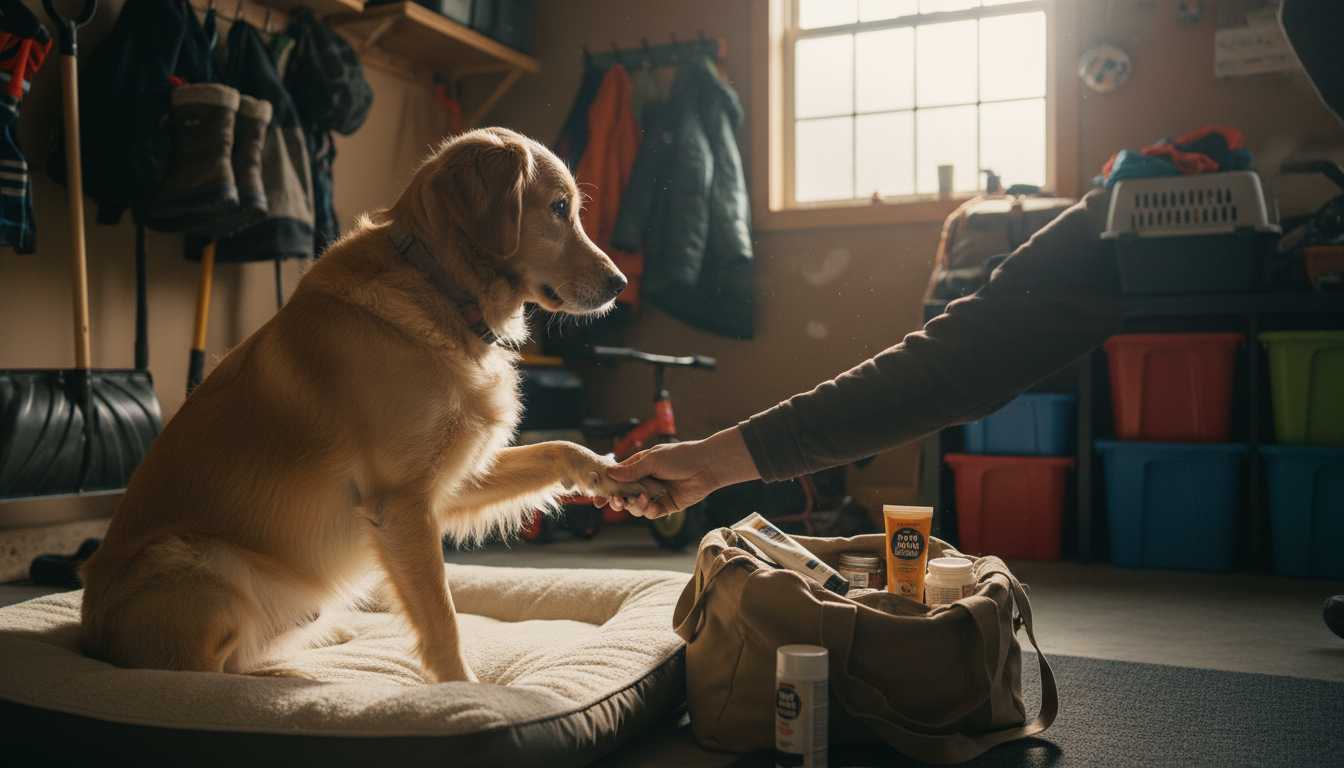
Yes—cold weather can absolutely affect your dog’s paws. Winter surfaces like ice, packed snow, and frozen sidewalks can dry out paw pads, cause cracking, and lead to irritation from road salt and de-icers. Even healthy, tough pads can get sore when they’re exposed to extreme cold or abrasive snow over longer walks.
Another common issue is ice buildup between toes and around paw fur. Those little ice balls can tug at the skin and make every step uncomfortable. Cold temperatures may also reduce circulation in extremities, so paws can feel colder faster—especially for small dogs, seniors, or dogs with shorter coats.
Pay attention to quick behavior changes: lifting a paw, limping, slowing down, or trying to head back home. You may also notice red, rough, or chapped pads, or your dog repeatedly licking their feet after coming inside. If you see bleeding, deep cracks, or persistent limping, it’s time to call your vet.
A few cozy habits go a long way. Keep walks a bit shorter in very cold conditions, and choose cleared paths when possible. Dog boots can help shield against ice and chemical melts; if boots aren’t an option, paw wax can add a protective barrier. After each walk, rinse or wipe paws to remove salt and grit, then dry thoroughly—especially between toes.
Staying organized on winter walks helps too. Having wipes, a small towel, and paw protection within reach can make post-walk care quick and comfortable. For more walk-ready tips and packing ideas, visit this guide to the Red Rover hands-free dog walking bag.
It depends on the dog, but risk rises as temperatures drop below freezing (32°F), especially with wind, ice, or chemical de-icers on the ground. Small dogs, seniors, and short-haired breeds may need paw protection and shorter walks sooner.
Common signs include paw lifting, limping, refusing to walk, or stopping frequently. Cold paws may also look red or irritated afterward, and your dog may lick them more than usual indoors.
Cold itself can be uncomfortable, and winter hazards like ice, salt, and dryness can damage paw pads. With boots or paw balm and a quick clean-and-dry routine after walks, most dogs do well.