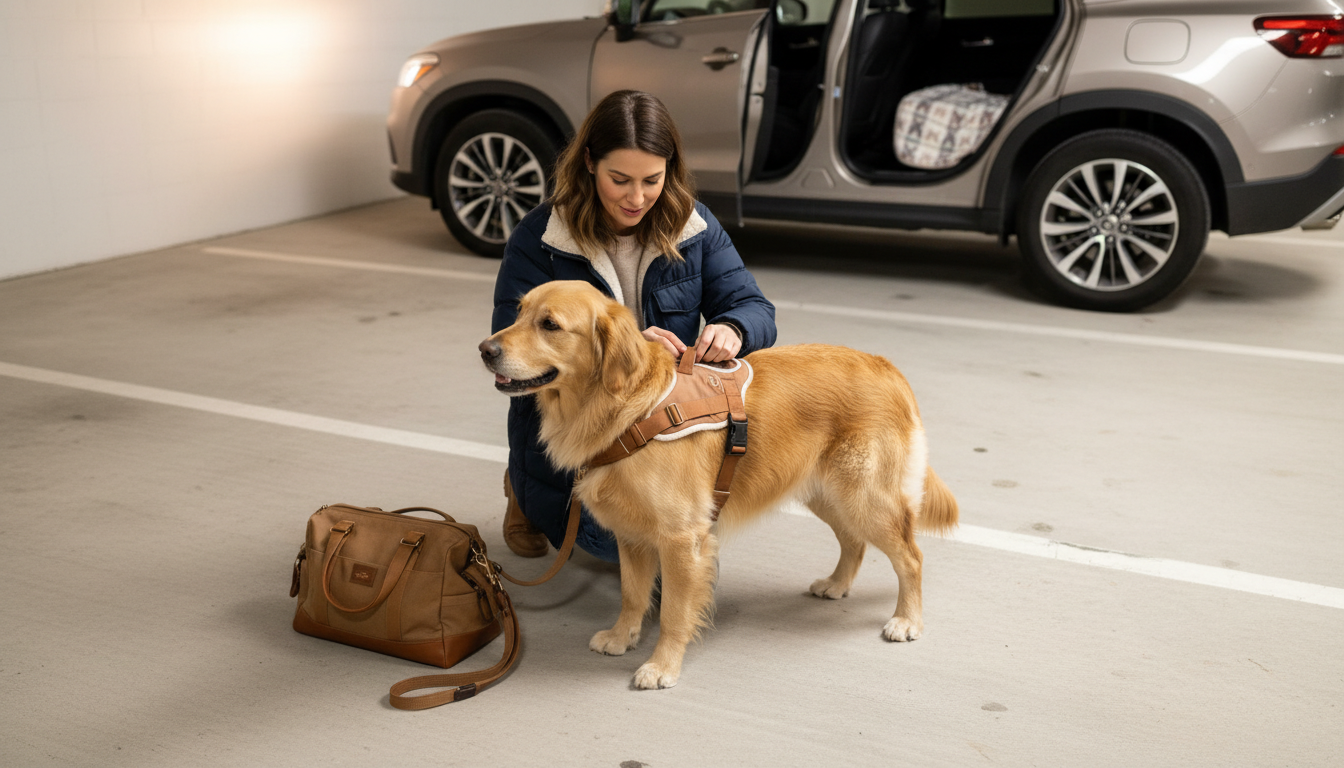
Many veterinarians do recommend dog harnesses, especially for everyday walking and for dogs that pull, have sensitive throats, or are prone to coughing. A well-fitted harness can help reduce pressure on the neck compared with a collar and give you steadier control—useful for training, busy sidewalks, and reactive moments.
That said, vets don’t recommend just any harness. The best choice depends on your dog’s body shape, coat, health, and habits. Some dogs do great in a standard Y-front harness that keeps the shoulders moving freely, while others may need a more supportive style that spreads pressure across the chest and torso.
Below are practical points for what vets typically look for in a harness.
Vets often favor harnesses that don’t rub the armpits, pinch behind the elbows, or restrict shoulder extension. Look for smooth edges, breathable padding, and a design that sits clear of the throat and doesn’t slide side-to-side.
A secure harness helps prevent backing out and can be safer for dogs that startle easily. Many pet parents like having both a back clip for relaxed walks and a front clip option for gentle pull-management, depending on how your dog walks.
Even a premium harness can cause discomfort if it’s too tight, too loose, or positioned incorrectly. A common rule is being able to fit two fingers under the straps, with the chest piece centered and the straps not cutting into skin or fur.
Veterinary guidance often comes back to the same theme: keep dogs supported and secure—especially on the move. If you also travel with your pup, pairing safe walking gear with a cozy, protective setup can make outings smoother. For a helpful overview of comfortable, safety-minded travel options, visit this guide to the Puff Puppy Dog Car Seat Carrier Bag.
Vets often prefer harnesses for many dogs because they reduce strain on the neck, especially for pullers or dogs with airway issues. Collars can still work well for ID tags and for dogs that walk calmly without pulling.
Yes, many vets recommend harnesses when they’re properly fitted and designed to avoid rubbing and shoulder restriction. They’re commonly suggested for safer control and reduced neck pressure.
Not every dog needs one, but many benefit from it—particularly dogs that pull, are small, have delicate tracheas, or need extra security. For some calm walkers, a collar may be fine, but a harness can add comfort and safety.