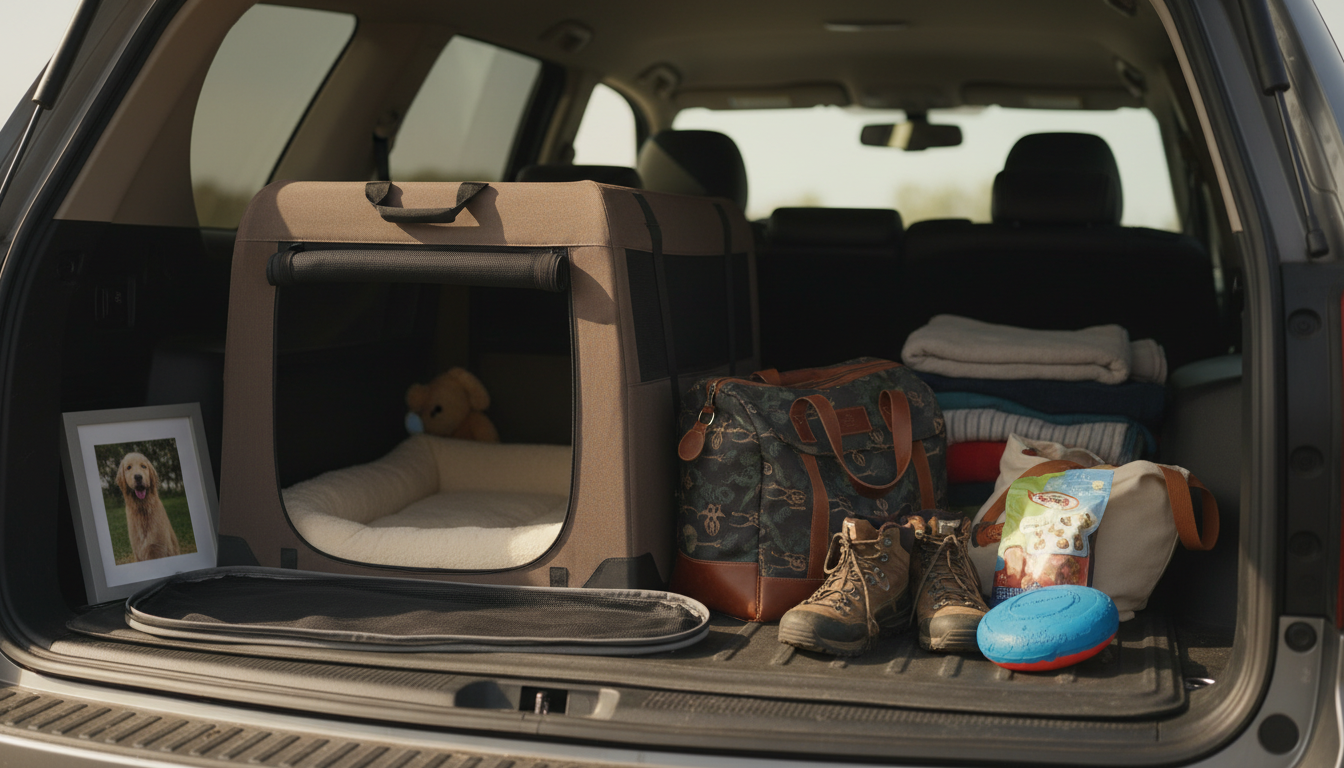
Many veterinarians do recommend dog crates—when they’re used as a safe, comfortable “den” and not as punishment. A properly sized crate can support house training, prevent chewing or scavenging when supervision isn’t possible, and give dogs a predictable place to relax. Vets often suggest crate training for puppies, newly adopted dogs, and dogs recovering from surgery or injury, because controlled rest can be part of keeping them safe.
A crate can be especially helpful during transitions: moving homes, introducing a new routine, welcoming guests, or starting structured sleep habits. For many dogs, a covered, cozy crate with soft bedding becomes a calm zone—useful during loud events or when the household is busy. It also helps with travel and vet visits, since dogs who are already comfortable in a crate often handle car rides and overnight stays more smoothly.
Vets typically recommend short, positive sessions that build trust. Feed meals near the crate, toss treats inside, and let your dog enter and exit freely at first. Keep the setup inviting: good airflow, a supportive bed or mat, and enough room to stand up, turn around, and lie down comfortably. If using a crate for sleep, place it near family activity at first so your dog doesn’t feel isolated.
If a dog panics, drools heavily, injures teeth or nails, or tries to escape, a crate may not be the right tool—at least not without a slow plan and professional guidance. Puppies also need frequent potty breaks, and no dog should be crated for long stretches without exercise, enrichment, and companionship.
For more tips on staying organized and comfortable while you’re out with your dog, visit this hands-free dog walking bag guide.
It’s a common guideline suggesting about two hours out of the crate for every one hour in the crate. Needs vary by age and energy level, so use it as a starting point—not a hard rule.
Many anxious dogs do best with a sturdy, well-ventilated crate that feels den-like, paired with comfortable bedding and a gradual training plan. For severe anxiety, ask a vet or trainer before choosing a high-containment option.
They can help prevent injury for some dogs, but they don’t treat the underlying anxiety on their own. Most dogs still need behavior training, enrichment, and sometimes veterinary support to feel safe.