Some small dogs love being picked up because it feels cozy, secure, and close to their favorite person. Others may tolerate it, and some truly dislike it—often because it feels unstable, surprises them, or bothers a sore back, hips, or shoulders. The key is to treat being lifted as a comfort option, not a default.
Watch body language before and during pickup. A relaxed dog may lean in, soften their eyes, and stay loose in your arms. A dog who’s uncomfortable might stiffen, lip-lick, avert their gaze, tuck their tail, growl, or scramble to get down. If those signs show up, it’s best to set them down gently and try a different way to offer support.
A stable lift can make a big difference in whether a small dog enjoys it. Approach calmly, offer a cue like “up,” and give them a second to opt in. Support the chest with one hand while the other supports the rear end, keeping their spine level. Hold them close to your body rather than out in front, and avoid lifting by the armpits, front legs, or scruff.
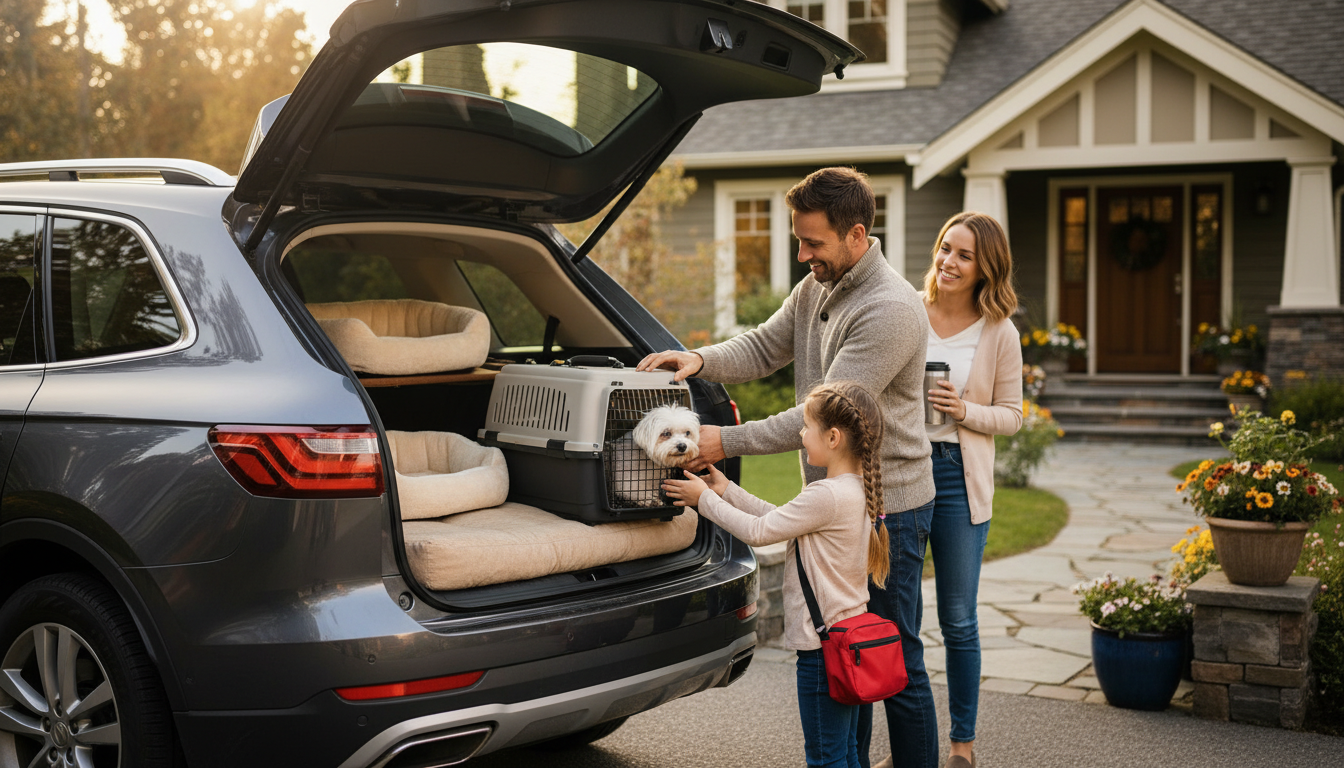
For longer outings—or for dogs who get nervous about being carried—using a supportive carrier can feel more secure than arms alone. It also helps reduce strain on your back and keeps your dog protected in busy areas. For travel-friendly tips and comfort gear ideas, see this guide to pet travel comfort gear, dog carriers, and walking bags.
Skip picking up if your dog is eating, sleeping, or trying to move away, and be extra cautious if they have a history of back issues (like IVDD), joint pain, or recent surgery. If a dog guards their space or gets snappy when lifted, a vet check and a positive, slow desensitization plan can help address the root cause.
Many do, especially if they’ve learned it means comfort and safety. Others prefer to keep all four paws on the ground, so let their body language guide you.
It’s fine when it’s done gently and the dog is comfortable with it. If your dog shows stress or pain signals, choose a safer alternative like a carrier or giving them space.
Dogs can feel secure and bonded, or they can feel trapped and unstable. Comfort usually depends on handling, past experiences, and whether the dog has any physical discomfort.