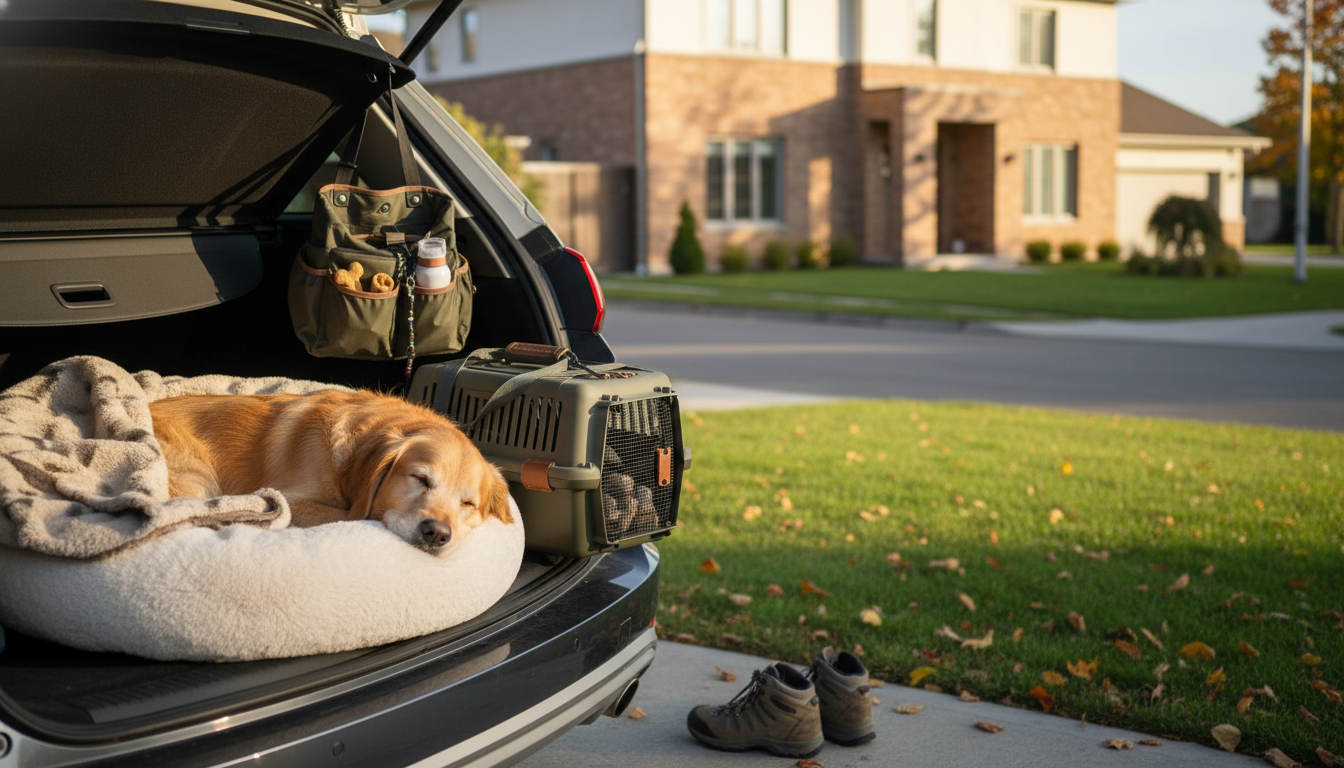
Often, yes—choosing to sleep on your bed can be a strong sign your dog feels safe with you. Sleep is when dogs are most vulnerable, so many pups naturally gravitate toward the place (and person) that feels calm, predictable, and protected. If your dog settles in quickly, sleeps deeply, and seems relaxed, that’s usually a good indicator of trust and comfort.
That said, bed-sleeping isn’t a universal “trust test.” Some dogs adore their humans but prefer cooler floors, a crate, or their own bed. Age, coat type, temperature, anxiety levels, and past experiences all influence sleep choices. A confident dog might still choose independence, while a clingier dog may sleep close due to separation stress rather than pure bonding.
Look at the full picture, not just the location. Dogs that trust their people typically show relaxed body language: loose muscles, soft eyes, normal breathing, and easy repositioning without startling. Many will “check in” with a brief glance, then drift off again. If your dog nudges in gently, settles at your feet, or curls near your hip without constant pacing, those are cozy, secure signals.
If you notice restless shifting, panting, guarding the bed, growling when approached, or refusing to let anyone else near you, that’s less about trust and more about stress or resource guarding. In those cases, it helps to reset boundaries and provide an inviting alternative sleep spot.
Whether your dog sleeps with you or nearby, comfort and safety come first. Keep nails trimmed to protect skin and sheets, wash bedding regularly, and make sure your dog can get on and off the bed safely (especially seniors and small breeds). Many dogs also sleep better with a dedicated bed that supports joints and holds its shape over time.
For ideas on building a cozy, clean sleep setup—especially if your pup does better with their own “nest”—visit this guide to a cozy, clean dog bed setup.
It can deepen bonding and help some dogs feel secure at night. It also makes it easier to notice discomfort or anxiety early, though it’s not the best choice for every household or dog.
No—sleep arrangements are a household rule, not a measure of love. What matters is consistency and providing the other dog with an equally comfortable, safe place to sleep.