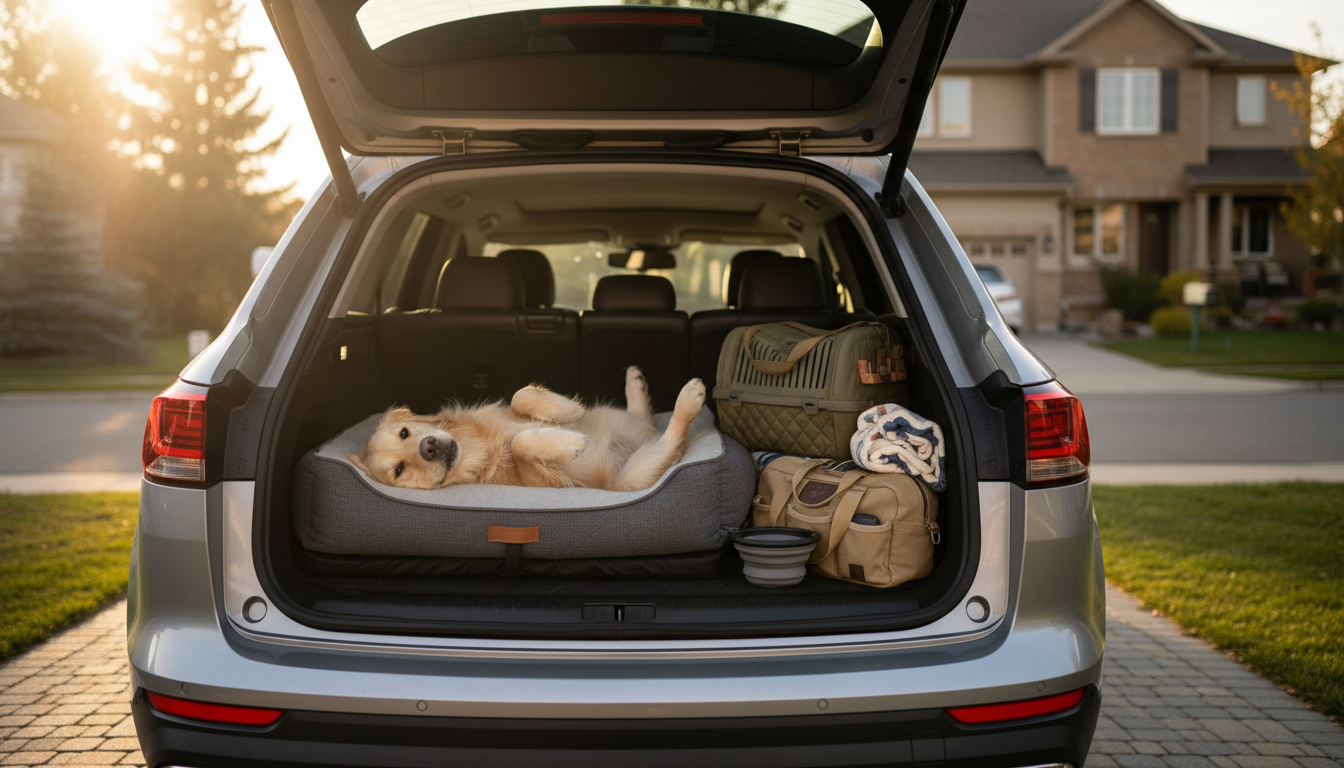
Often, yes—when a dog sleeps on their back with their belly exposed, it’s usually a strong sign they feel safe and relaxed around you and in their environment. The belly is one of a dog’s most vulnerable areas, so choosing that position can indicate comfort, low stress, and a sense of security.
Dogs roll onto their backs for a few common reasons, and trust is a big one. Many dogs only fully “let go” when they’re confident no one will bother them. If your dog frequently snoozes belly-up near you, it can suggest they’re comfortable with your presence and daily routines.
That said, context matters. Some dogs simply like the stretch, some do it to cool down (less fur on the belly), and some are naturally easygoing sleepers. A dog can trust you and still prefer curling up—or sleep belly-up and still be startled if awakened suddenly.
To get a clearer picture, look for a few extra clues that pair well with the “belly-up” nap:
A predictable, cozy resting space helps dogs relax deeply—especially if your home is busy or your pup is easily distracted. Provide a bed that feels stable, cushioned, and easy to keep clean, and place it in a spot where your dog can rest without being stepped over or surprised.
For a comfort-focused setup (and tips on keeping the sleep space fresh), visit this guide to the Midnight Nest dog bed.
If your dog suddenly starts sleeping on their back more than usual, consider temperature, a new bed location, or changes in routine. If the position comes with stiffness, limping, excessive scratching, or signs of discomfort, a check-in with a veterinarian can help rule out skin irritation or pain.
It can be a good choice for many dogs if it fits their size and sleep style and uses supportive, washable materials. Look for a non-slip base, durable stitching, and enough cushioning—especially for seniors or larger breeds.