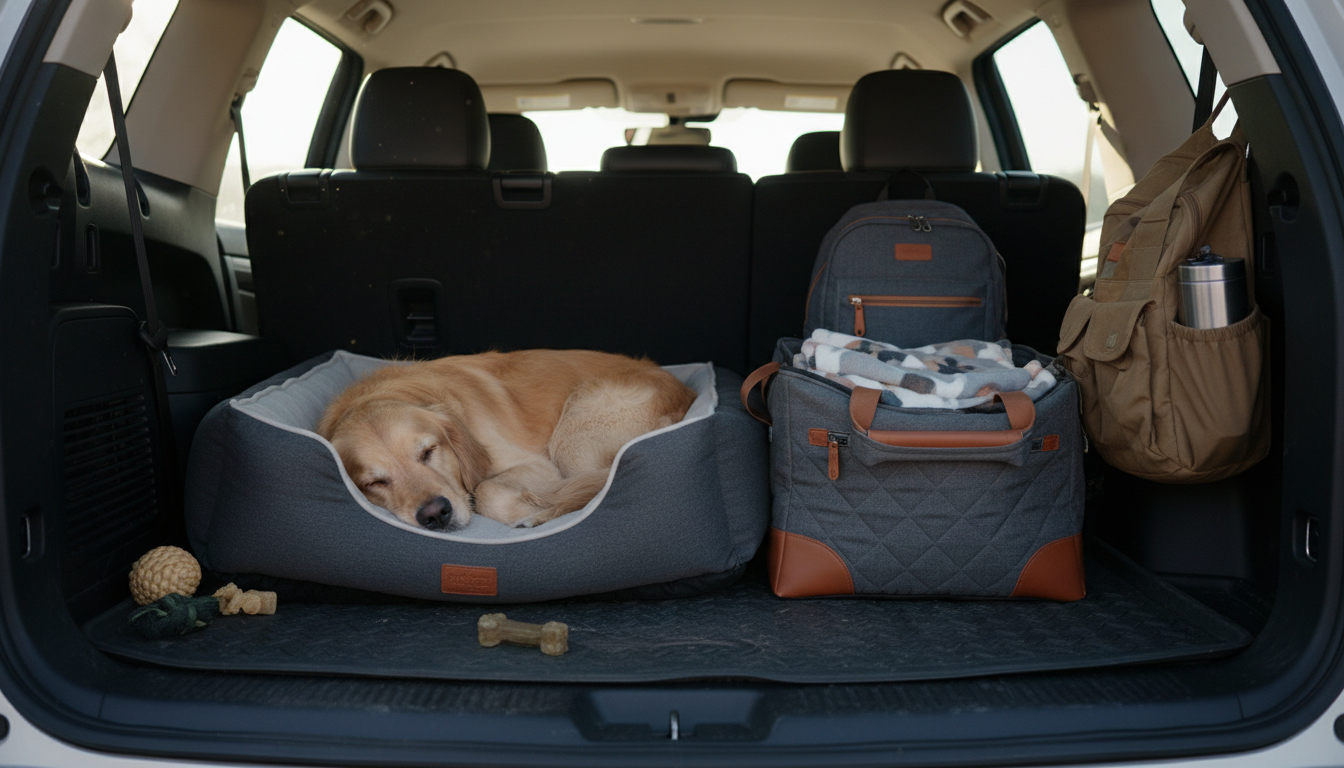
Often, yes. When a dog chooses to sleep near you, it’s usually a sign they feel safe in your presence. Sleep is a vulnerable state, so many dogs naturally pick spots where they can relax without staying on high alert. Curling up by your bed, on the couch beside you, or even placing themselves so they can keep you in view can reflect comfort and trust.
That said, sleeping near you isn’t a one-size-fits-all “trust test.” Some dogs are naturally more independent sleepers, while others are “velcro dogs” who want closeness even if they’re still building confidence. Age, breed tendencies, past experiences, and the home environment all shape where a dog feels best resting.
Look at the whole picture: a trusting dog typically shows soft body language, settles quickly, and sleeps deeply (loose limbs, slow breathing, not constantly popping up to scan). If your dog sleeps near you and also seeks gentle contact, follows you calmly from room to room, and responds well to your voice and routines, those are strong signs that the bond is solid.
If you want to support that sense of security, focus on consistency and comfort. A dedicated, cozy bed near where you spend time can give your dog “togetherness” without crowding. Keeping the sleep space clean, supportive, and inviting can also help dogs rest more soundly—especially for pups who switch between home lounging and travel days.
For tips on creating a snug, pet-centric sleep setup that stays fresh and comfy, visit this guide to a cozy, clean dog bed routine.
Sleeping near you can reflect trust in the moment, but trust is maintained through daily experiences. Consistent routines, gentle handling, and a calm environment help keep that trust strong over time.
Even partial closeness—like sleeping nearby only at certain times—can still signal comfort. Many dogs adjust where they sleep based on temperature, noise, household activity, or how secure they feel that day.