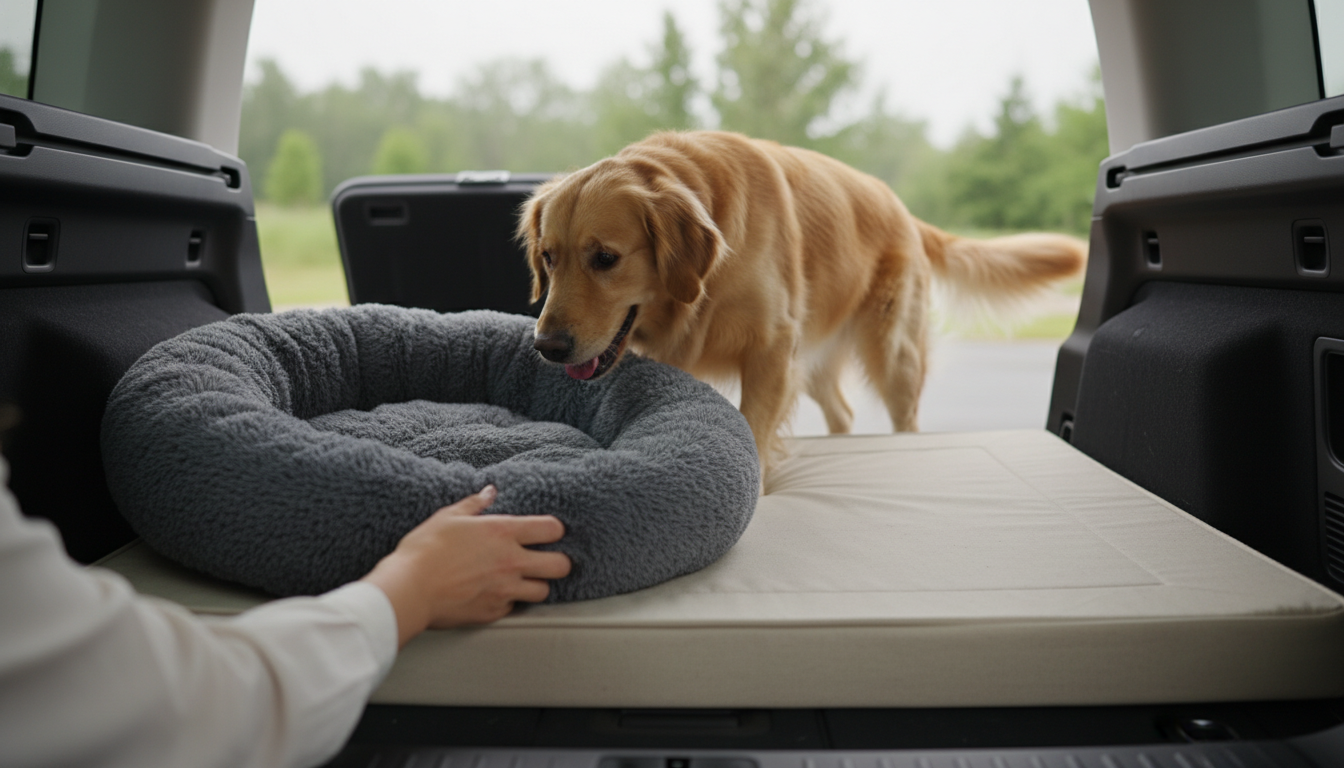
Most dogs don’t have a one-size-fits-all preference—what feels “best” depends on their age, body, sleep style, and how much support their joints need. In general, many dogs enjoy a soft, cozy top layer for snuggling, but they sleep better when there’s enough firmness underneath to keep their spine aligned and prevent pressure points.
Soft beds are often a favorite for dogs that love to curl up, burrow, or nest. Small breeds, short-haired dogs, and pups that seek warmth may gravitate toward plush, cave-like styles that feel secure and draft-free. A soft surface can also help anxious dogs settle, especially if the bed has raised edges that mimic a gentle “hug.”
Firmness matters most for senior dogs, larger breeds, and dogs with stiff joints or recovering from injury. A bed that’s too squishy can make it harder to stand up and may let hips and shoulders sink unevenly. Supportive fills and structured foam help distribute weight more evenly, improving comfort and reducing stress on joints over time.
For many pets, the ideal bed combines a cushy, cozy surface with a supportive base. Look for a bed that springs back after your dog stands up, keeps its shape, and feels stable on the floor. If your dog alternates between curling and stretching out, a supportive bed with a snug, enveloping design can offer both comfort and structure.
If your dog avoids the bed, changes sleeping spots often, seems restless, or struggles to get up, the bed may be too soft or too firm. Flattened padding, lumpy fill, or a bed that slides around can also reduce comfort and safety.
For a cozy, den-like option that many dogs love for home comfort and calm, visit this guide to a cozy cave-style dog bed and see what features support better rest.
It can be a good choice for many dogs if it fits their size and sleep style and uses supportive, washable materials. Look for a non-slip base, durable stitching, and enough cushioning—especially for seniors or larger breeds.