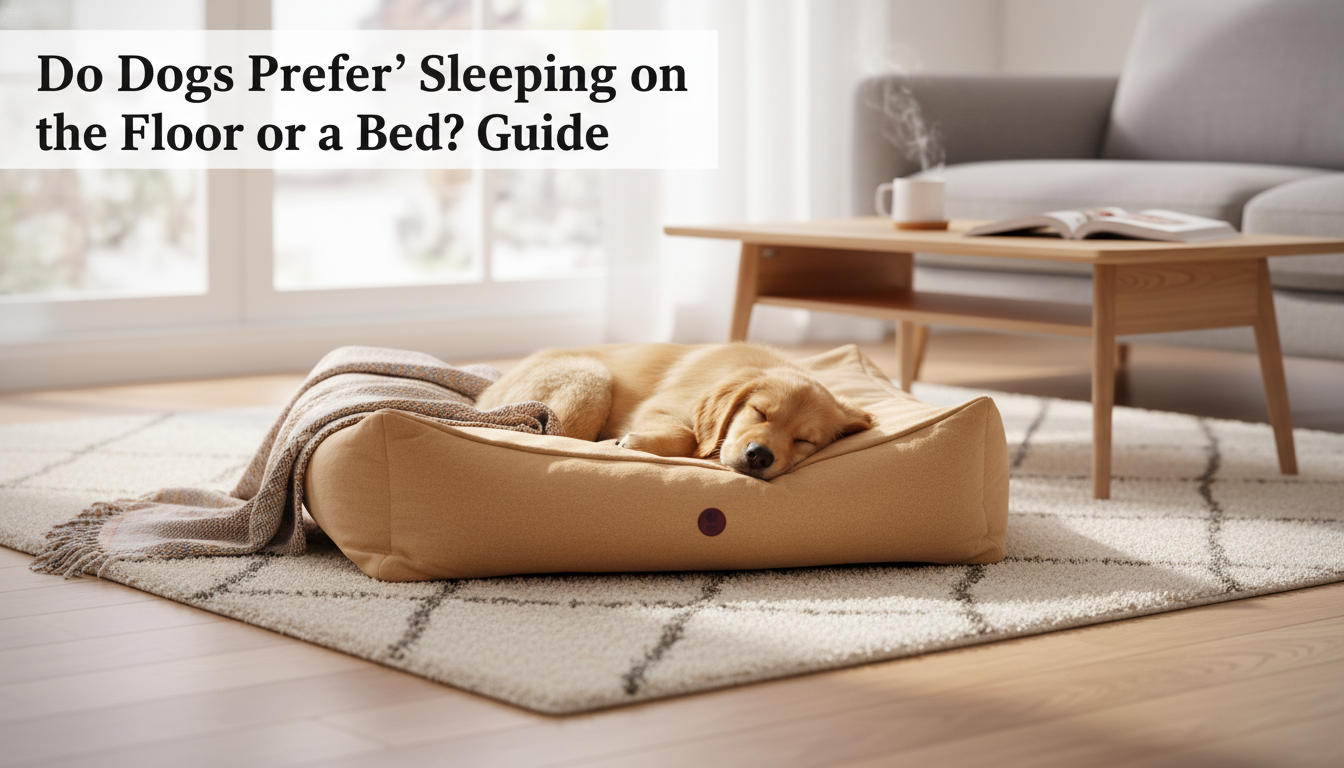
It depends on your dog’s size, age, health, and the environment. Many dogs will switch between the floor and a bed throughout the day to regulate temperature and comfort. Cooler floors can feel great after a play session, while a supportive, cushioned bed offers joint relief and better sleep quality—especially for seniors, large breeds, or dogs recovering from activity.
Dogs naturally seek surfaces that meet their needs in the moment. A well-made dog bed or cushion provides pressure relief for hips, elbows, and spine, helping prevent soreness and improving rest. If your dog sprawls on the floor, they may be seeking a cooler spot or trying to stretch fully. If they curl up on a plush bed, they’re likely looking for warmth, security, and soft support.
Hot weather drives many pups to tile or hardwood for a cooling effect. In cooler seasons, dogs gravitate to cushioned, insulated surfaces. Observe your dog’s sleeping style too: side sleepers and belly floppers often appreciate a roomy, flat cushion, while curlers love a cozy, nest-like feel.
Bottom line: Most dogs enjoy both the floor and a bed, but a quality, supportive dog bed helps them rest deeper and protects joints over time. For tips on picking the right cushion and creating a cozy sleep zone, visit the full guide: How to Choose a Dog Bed Cushion “Mellow Mat”.
Many dogs seek the floor for cooling, space to stretch, or because their current bed is too warm, too soft, or lacks support. A breathable, supportive cushion placed away from heat sources can make bed lounging more appealing.
Choose a quiet, low-traffic spot with consistent temperature and minimal drafts. Keep their bed close enough to feel included but away from doorways. Consistency helps build a reliable sleep routine.
Some dogs enjoy the closeness and warmth, while others rest better in their own space. Consider your dog’s temperament, allergies, and sleep quality. A cozy, supportive dog bed gives them a dedicated, healthy place to recharge.