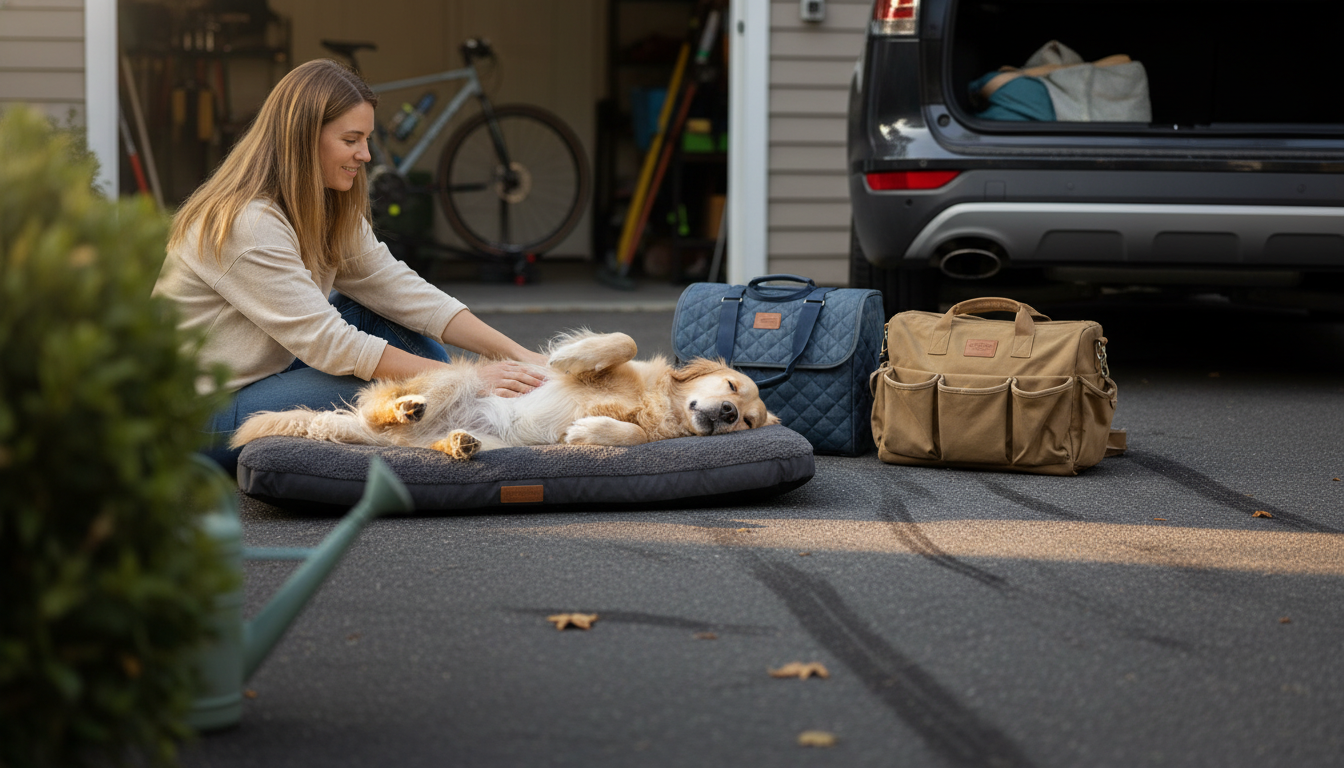
Many dogs do enjoy belly pets, but it depends on the dog, the situation, and how the touch feels. For some pups, a gentle belly rub is pure comfort—like a warm, cozy pause in the middle of their day. For others, the belly is a sensitive area and being touched there can feel too intense or simply unwanted.
Look for relaxed body language: a loose, wiggly posture, soft eyes, an open mouth, and a calm tail wag. Many dogs will lean into your hand, stay put, or nudge you for more. If your dog’s legs start gently kicking, that can be a reflex called the scratch response—it doesn’t always mean “keep going,” so pair it with other signs of comfort.
A dog showing their belly can also be signaling trust, appeasement, or a desire for space. If you see stiffness, a tucked tail, whale eye (lots of white showing), lip licking, yawning, or a quick head turn away, pause and give them room. A good rule is to let your dog “opt in” by petting their chest or side first and seeing if they relax and ask for more.
Keep pressure light, use slow strokes, and avoid sensitive spots near the groin. Start for a few seconds, then stop—if your dog nudges your hand or stays relaxed, continue. If they roll away, get up, or their body tightens, that’s a clear “not right now.”
Dogs tend to enjoy touch more when they feel secure and supported—especially during travel or after busy walks. If your pup gets restless in the car or needs a calming routine while out and about, explore comfort-first travel gear and tips here: https://kingwuff.com/blog/guide-pet-travel-comfort-gear-dog-carriers-walk-bags-tips/.
There isn’t one single breed that tops the list, since preference is mostly individual. Many friendly, people-focused dogs enjoy belly rubs, but temperament and trust matter more than breed.
Often it means your dog feels safe and is cooling off, since the belly has less fur. Some dogs also sleep belly-up simply because it’s comfortable for their body.
Many owners report their dogs love belly rubs, while others share that their dogs tolerate them or prefer chest scratches instead. The most consistent takeaway is to watch your dog’s body language and let them choose.