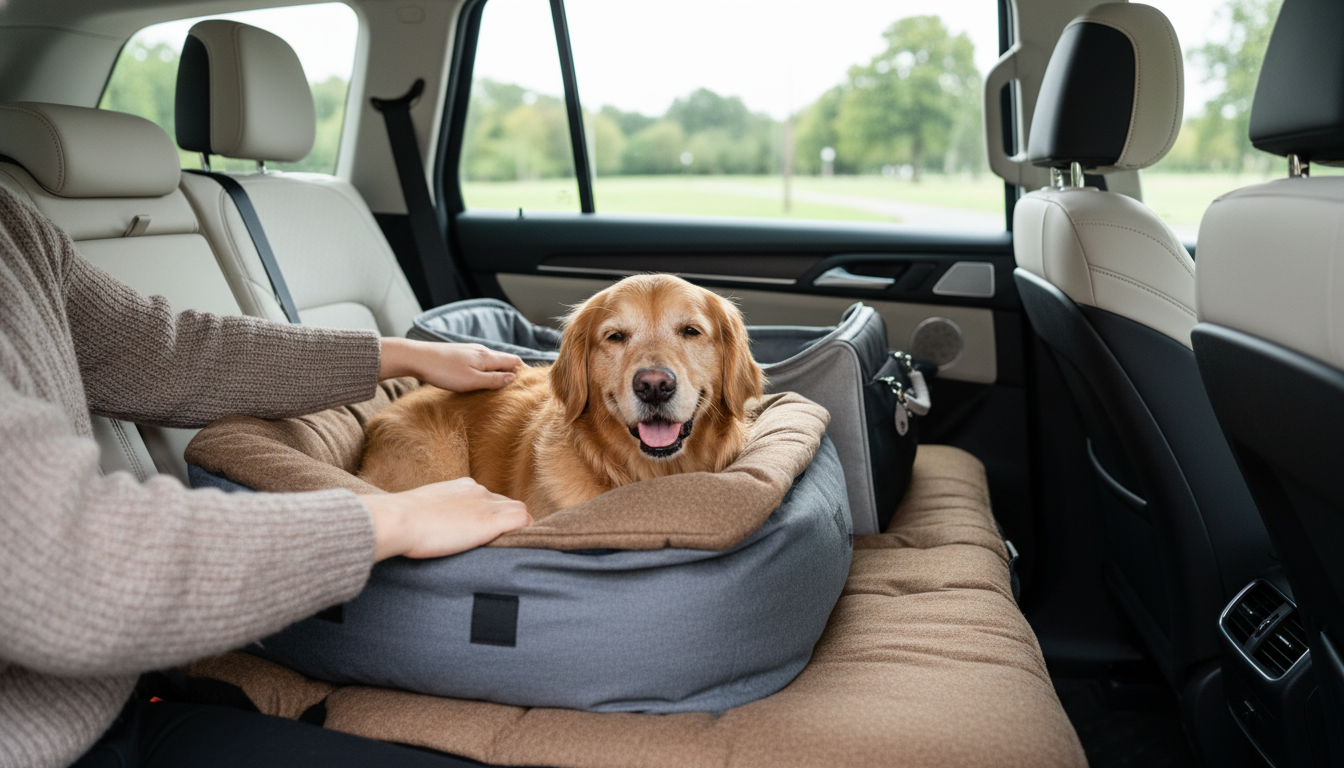
Many dogs do like sleeping on mattresses—especially if the surface is soft, warm, and smells like their favorite people. A mattress can feel like a cozy “nest,” and some pups naturally gravitate toward anything cushioned because it helps them relax and settle faster.
Comfort is the big reason. A padded surface reduces pressure on joints and helps dogs find a stable, supported position, which can be especially soothing for seniors, larger breeds, or dogs who are active during the day. Dogs also tend to seek warmth, and mattresses hold heat better than tile or hardwood.
Even if your dog loves it, a human mattress can come with downsides: it’s harder to keep clean, it can trap dander and odors, and it may not offer the right kind of support for your dog’s sleeping style. Some dogs also develop habits around “claiming” the bed, which can lead to boundary issues or nighttime restlessness.
If your dog is drawn to your bed, it usually means they want softness and security—not necessarily your exact mattress. A dedicated dog bed mattress can give them that same cushioned feel, but with pet-friendly features like washable covers, stable non-slip bottoms, and materials chosen for durability and safety.
For a helpful breakdown of what to look for (and how to keep it fresh), visit this guide to washable, non-slip dog bed mattresses.
A comfortable sleeper typically settles quickly, changes positions without struggling, and wakes up loose and ready to move. If your dog seems stiff, paces before lying down, or frequently hops on and off the bed, a more supportive dog mattress (or a different firmness) may help them rest more deeply.
Yes, if the floor is warm enough and your dog seems comfortable. Hard or cold floors can be tough on joints, so a mat or bed is often a kinder option.
Your bed smells like you and may feel safe and familiar. Many dogs choose it because it’s soft, warm, and associated with comfort.
Common signs include seeking you for comfort, checking in frequently, following you from room to room, and relaxing best when you’re nearby. These behaviors can reflect trust and a strong attachment.