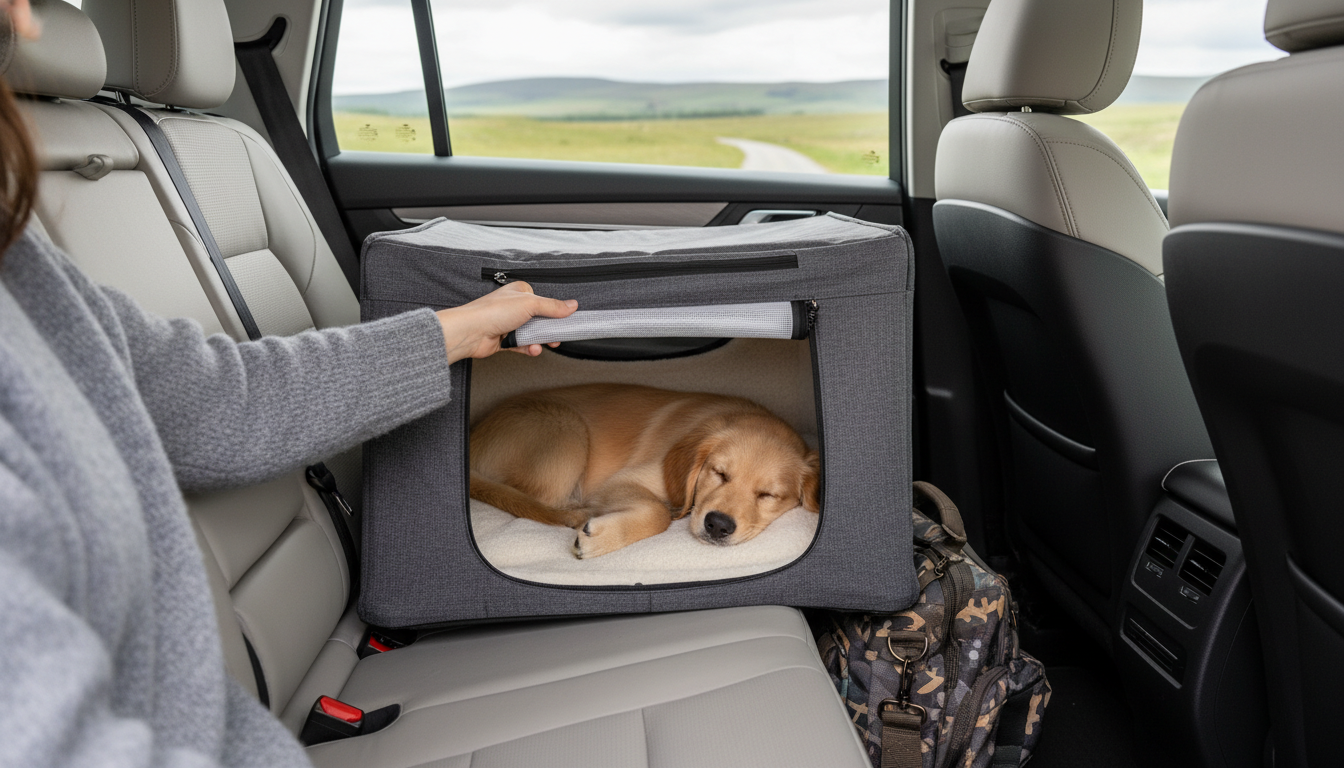
Many dogs do like sleeping in a den-like space because it feels snug, protected, and predictable. That preference often comes from natural instincts: a covered nook reduces visual stimulation, blocks drafts, and gives your dog a “safe base” to fully relax. It’s especially common in puppies, smaller dogs, and dogs that startle easily or get overwhelmed by busy households.
A den creates gentle boundaries. When a dog can tuck in, curl up, and lean against soft sides, their body gets calming feedback—similar to being swaddled. For dogs who love burrowing under blankets or squeezing into tight spots, a rounded bed with supportive bolsters can mimic that cozy den feeling without the risks of cramped furniture gaps.
Look for behaviors like circling and nesting, pushing their nose under a blanket, choosing corners or under-table spots, or consistently resting with their back against something. If your dog settles faster in quieter, enclosed areas, a den-inspired sleep space may help them unwind more easily.
Start with a soft, supportive bed placed in a low-traffic area away from loud doors, direct sunlight, and cold drafts. Many dogs love a round shape with raised edges because it supports the head and neck while creating a “nest.” If your dog tends to overheat, keep the space breathable and skip heavy covers; if they get chilly, add a lightweight blanket they can nudge and arrange.
For a deeper dive into choosing a cozy, den-like bed—especially for small dogs and puppies—visit this guide to a round dog bed for small dogs and puppies.
Not every dog wants enclosure. Some prefer stretching out in open spaces, and some may feel uneasy if a covered area reminds them of confinement. If your dog avoids the bed, pants heavily, or seems restless, try a more open bed style or reposition the bed where they can still see the room.
Some do, especially if they feel safest in smaller, quieter spaces. Many pet dogs also choose den-like beds that provide a similar sense of security.
It depends on the dog. Dogs that like to curl up, burrow, or avoid noisy activity often prefer den-like setups, while others relax better in open areas.
Use calm voice tones, gentle petting in areas your dog enjoys, and consistent routines. Slow blinks, relaxed body language, and rewarding calm behavior also communicate affection clearly.