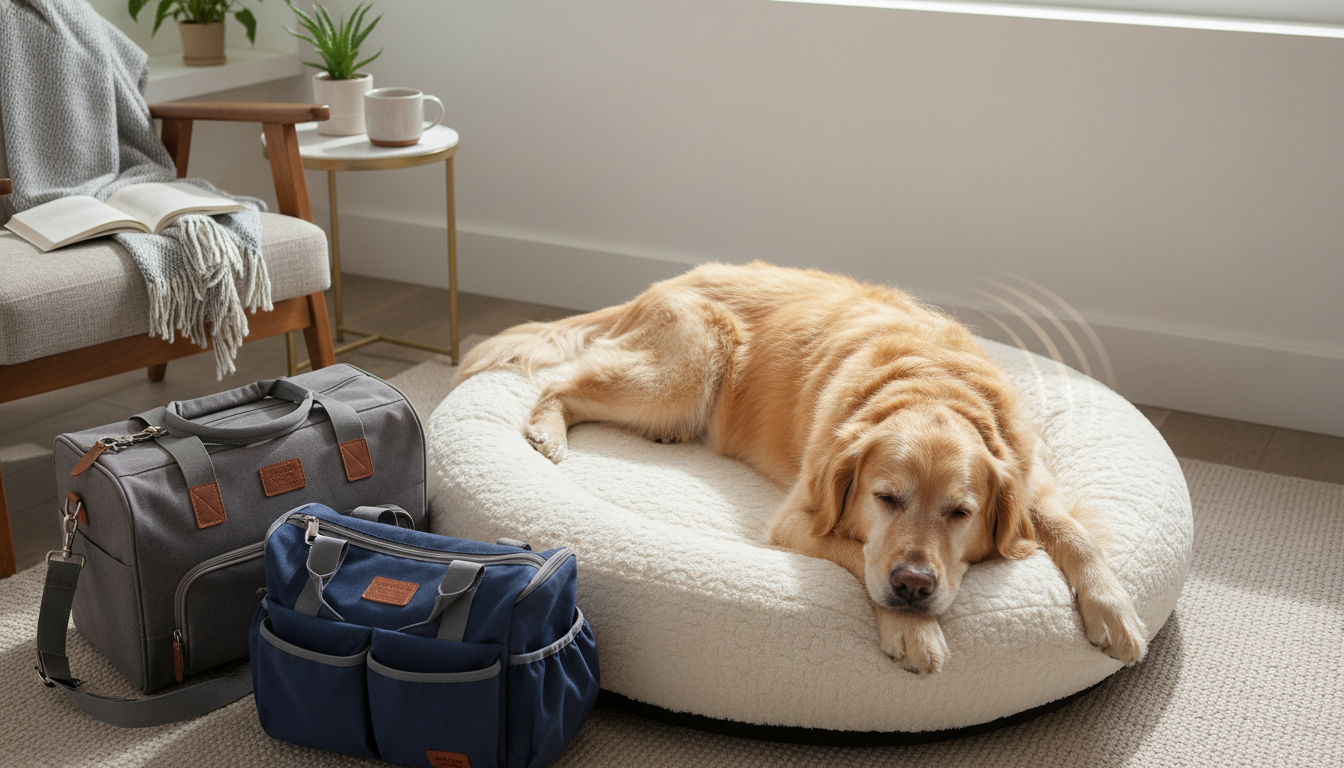
Many dogs do like massage beds—especially if they enjoy gentle pressure, warmth, and a cozy place to settle. A massage bed’s light vibration can feel soothing for some pups, similar to a calming back rub. That said, every dog has a different comfort “dial”: some will melt into it right away, while others may find the sensation unfamiliar or overstimulating.
A good sign you’ve found a winner is when your dog chooses the bed on their own, relaxes quickly, and stays put. If your dog hops off immediately, keeps looking around, or seems tense, it may be too intense, too noisy, or simply not their style.
Comfort and safety matter more than bells and whistles. When choosing a massage bed (or any comfort bed), prioritize:
Start with the bed turned off. Let your dog sniff, step on, and explore at their own pace. Add a familiar blanket or a favorite toy to make it feel like “their spot.” Once they’re comfortable lounging, try the lowest setting for short sessions, and always give them the option to leave. A calm introduction is often the difference between a bed they avoid and a bed they seek out.
Not every dog wants vibration—many prefer a snug, covered space that feels like a warm hideaway. If your pup loves burrowing under blankets, a cave-style bed can deliver that wrapped-up comfort without any sensory surprises. For a deeper look at what makes a cozy cave bed work so well, visit this guide to the Snuggler cozy cave dog bed.
Look for loose, relaxed body language: soft eyes, a calm face, slower breathing, and staying in place. Many dogs will lean in, stretch out, or sigh when they’re enjoying it.
Many dogs dislike being touched on paws, tail, ears, and around the face, especially by unfamiliar people. If your dog flinches, pulls away, or stiffens, give them space and try a different area.
Vets often recommend supportive orthopedic beds for dogs who are seniors, large breeds, or prone to joint stiffness. For most dogs, a well-cushioned, easy-to-clean bed that matches their sleep style is a reliable choice.