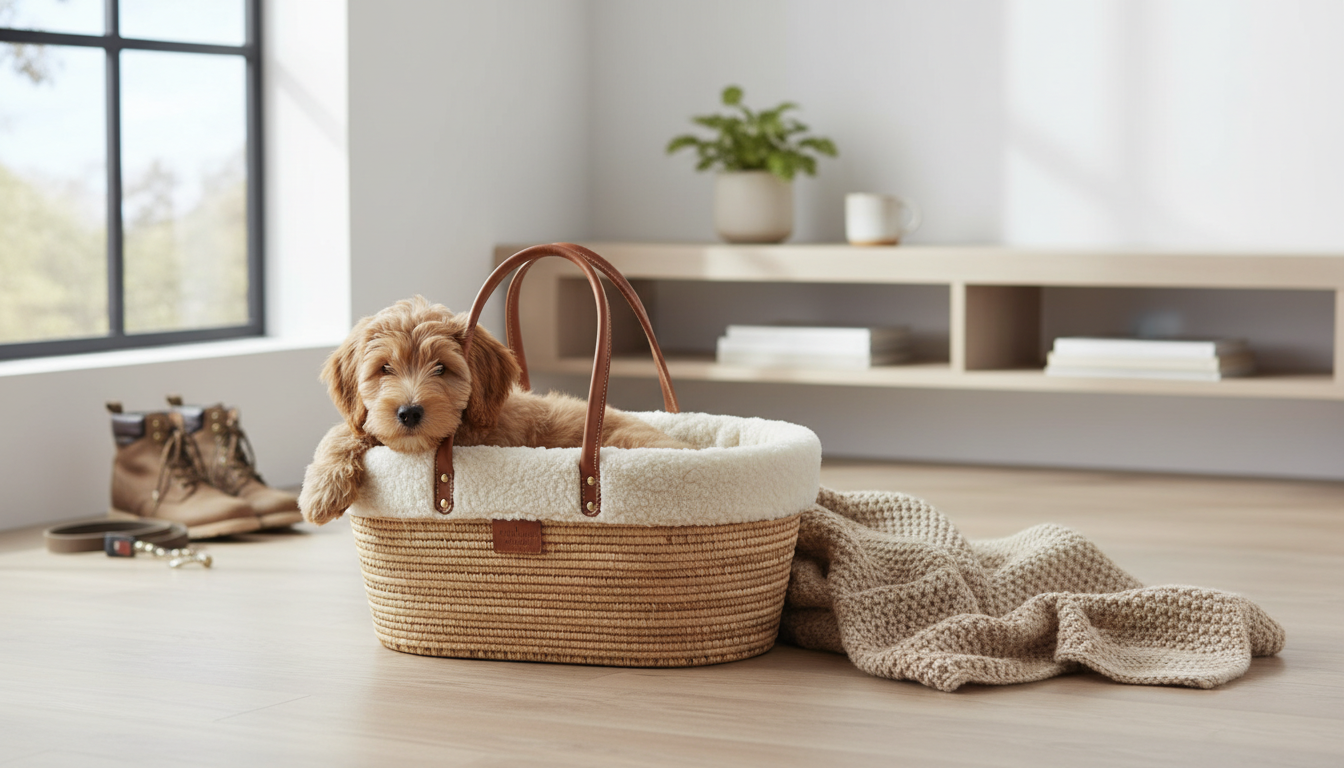
Some dogs genuinely enjoy riding in a carrier bag—especially when it feels safe, soft, and close to you—while others need time and training to feel comfortable. A dog’s size, temperament, past experiences, and the quality of the bag all matter. Small breeds and puppies often appreciate the snug, den-like feeling and the extra security in busy places, while more independent or motion-sensitive pups may prefer walking on their own.
Look for relaxed body language: soft eyes, loose posture, steady breathing, and a waggy or neutral tail. If your dog voluntarily steps into the bag or settles quickly and naps, that’s a great sign. Stress cues—panting, trembling, stiff body, pawing to get out—mean you should slow down, shorten sessions, and build positive associations.
Choose a carrier with supportive structure, breathable panels, and soft padding to cushion joints. Wide, balanced straps protect your shoulders; secure closures and an interior safety tether help prevent accidental escapes. For warm days, ventilation is key; for cooler days, cozy lining keeps pups comfortable. Always check weight limits and follow safe-carry guidelines.
A well-designed dog carrier can look as good as it feels. If you’re exploring premium options for everyday errands, city strolls, or travel, see our in-depth guide and product details here: Read the full article about the Seashell Dog Carrier Bag in Black.
Papillons are moderate shedders. They have a silky single coat that sheds year-round, with seasonal upticks. Regular brushing (2–3 times weekly) helps manage loose hair.
Common triggers include loud or unpredictable noises, forced handling, lack of routine, and overcrowded spaces. Respecting boundaries and providing enrichment can reduce frustration.
Several breeds sport eyebrow or fall hair, including Old English Sheepdogs, Bearded Collies, and Schnauzers. Routine trims and gentle grooming keep vision clear and eyes healthy.