Some dogs truly enjoy being carried, while others would rather keep all four paws on the ground. A lot depends on your dog’s personality, size, age, and past experiences. For many pups, being held close feels cozy and secure—especially in busy places, around loud noises, or when they’re tired.
A dog who enjoys it will usually relax in your arms, soften their body, and look around calmly. You might notice a loose jaw, steady breathing, or even a little snuggle into your chest. Some dogs will also “ask” to be picked up by pawing at you or stepping closer when things feel overwhelming.
If your dog stiffens, squirms, pants heavily, whines, growls, or tries to jump down, they’re likely uncomfortable. Ears pinned back, wide eyes, and a tucked tail are also common stress signals. In those cases, it’s kinder (and safer) to set them down and give them space.
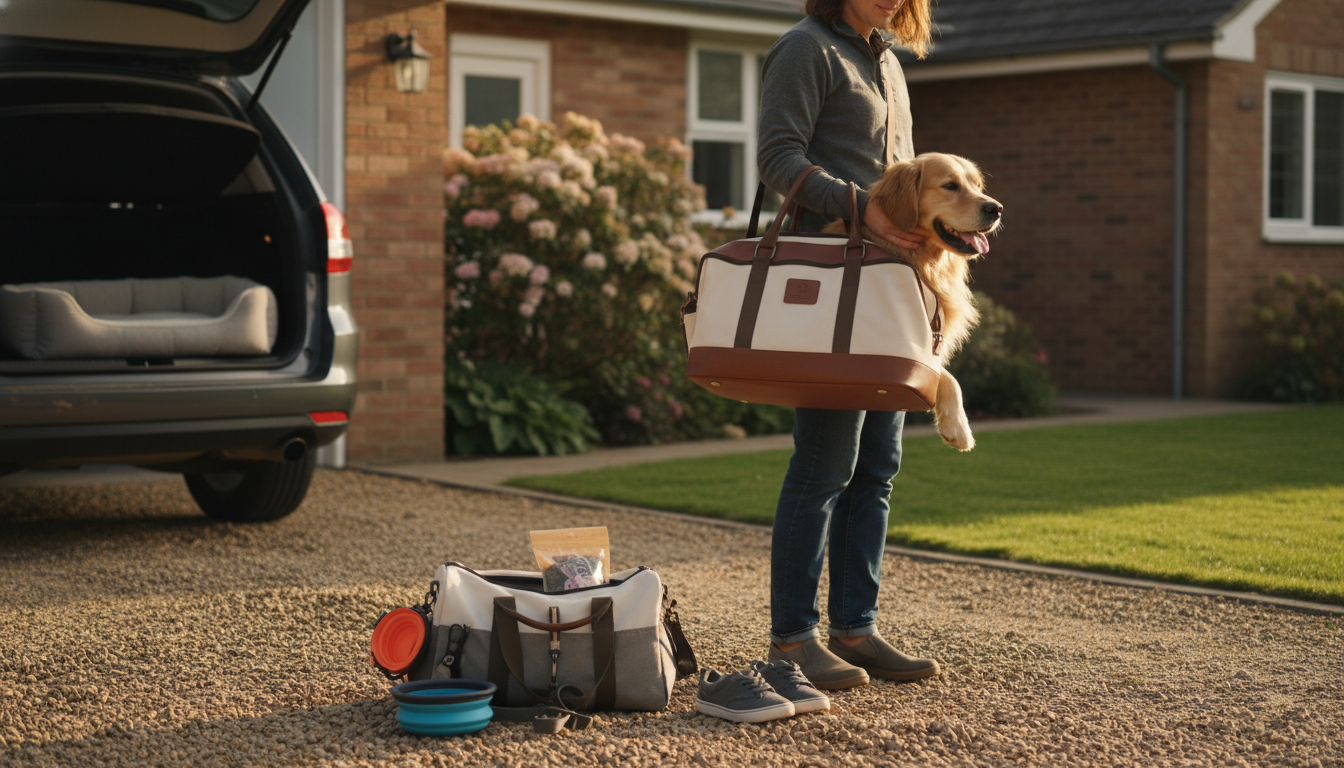
Support both the chest and the rear, keep your dog close to your body, and avoid dangling legs or pressure on the belly. Short carrying sessions with gentle praise can help nervous dogs build confidence. For longer outings or dogs that prefer a stable “nest,” a structured dog carrier or walking bag can be a comfy alternative that reduces strain on your arms and supports your dog’s body.
If you’re planning walks, errands, or travel days where your dog might need a lift, check out this helpful guide on choosing the right setup: pet travel comfort gear, dog carriers, and walk bags tips.
Many dogs see it as comforting and protective, especially in crowded or unfamiliar places. Others may find it restricting, particularly if they weren’t handled much when young.
Most dogs respond well to calm, friendly speech because it signals safety and attention. Many also perk up when they hear an upbeat tone and familiar words.
Owners commonly report that some dogs love being carried while others resist it, and the difference often comes down to comfort, trust, and how the dog is supported. Consistent gentle handling and a secure carrier can make a big difference for hesitant dogs.