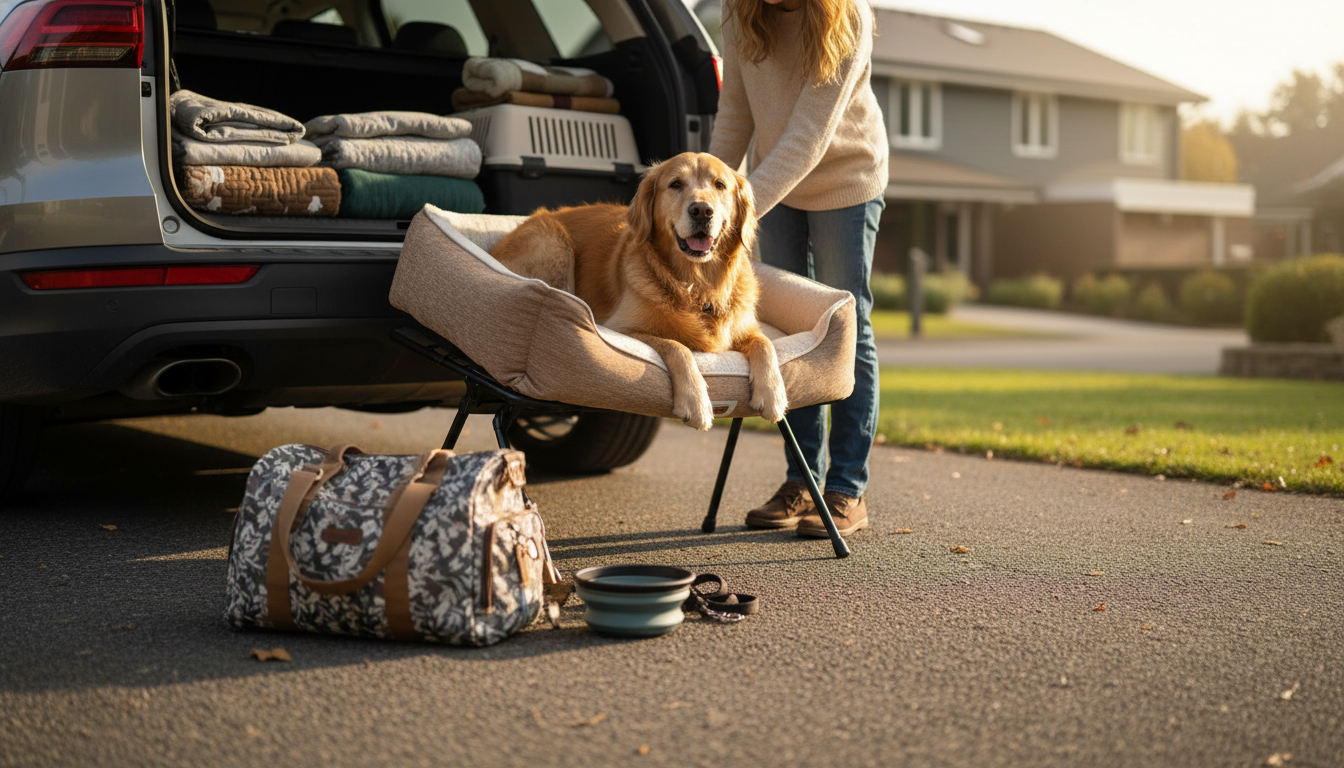
Many dogs genuinely enjoy being petted, but it depends on the dog, the context, and how the touch is offered. When a dog leans in, nudges a hand for more, keeps a loose body, and has soft eyes, petting usually feels safe and rewarding. Some dogs also associate gentle touch with bonding and calm—especially after walks, during downtime, or when settling into a cozy spot.
Look for clear “yes” signals: a relaxed posture, wiggly hips, a gently wagging tail, and choosing to stay close. A simple way to check is the “pause test”—stop petting for a moment. If your dog re-engages by moving closer, pawing lightly, or nudging your hand, that’s a strong indicator they want more.
Not every dog enjoys petting all the time. Watch for “no thanks” signals like turning the head away, lip licking, yawning when not tired, stiffening, moving away, or showing the whites of the eyes (“whale eye”). If you notice these, give your dog a break and let them choose whether to return.
Many dogs prefer gentle strokes on the chest, shoulders, and the side of the neck rather than reaching over the head. Start slow, keep pressure light, and avoid hugging or hovering—those can feel restrictive. For sensitive dogs, brief, predictable touch is often more welcome than long, continuous petting.
A dog who’s tired, overwhelmed, or unstable in a moving car may be less receptive to touch. Creating a secure travel setup can make affection feel better: a supportive carrier, a stable surface, and familiar comfort gear can reduce stress so your dog can relax into closeness.
For practical tips on comfortable adventures (and the gear that helps), visit this guide to pet travel comfort gear, dog carriers, and walk bags.
Some dogs find it soothing and barely stir, while others may startle if touched unexpectedly. If your dog flinches or wakes tense, let them rest and offer gentle contact only after they’re awake.
That statistic isn’t a reliable rule of thumb. Dogs can experience stress or low mood, but signs vary widely and are best evaluated by a veterinarian or qualified behavior professional.
Online discussions can be helpful for anecdotes, but dogs differ a lot. The most accurate answer comes from your dog’s body language and whether they choose to stay engaged.