Dog walkers don’t always legally need insurance, but having it is strongly recommended—especially if you walk dogs professionally or handle multiple pets. Even calm, well-trained dogs can slip a leash, get spooked by a loud sound, or tangle with another dog. Insurance helps cover the unexpected so one messy moment doesn’t become a major financial setback.
When you’re responsible for someone else’s dog, you’re also responsible for what that dog might do (or what might happen to it) during the walk. A dog could injure a person, damage property, or get hurt and need emergency care. Insurance is designed to help with costs like medical bills, legal fees, or replacement of damaged items, depending on the policy.
Requirements vary by city and state, and they can also depend on how you operate. Some dog walkers work through platforms or established businesses that carry coverage, while independent walkers may need to purchase their own. In some areas, a business license is required for pet services, and having insurance may be part of the “best practices” expected by clients—even if it isn’t mandated.
Many pet parents feel more comfortable hiring an insured walker because it signals professionalism and care. It can also make conversations about safety feel simpler: you can confidently share how you handle leashes, keys, dog interactions, and emergencies.
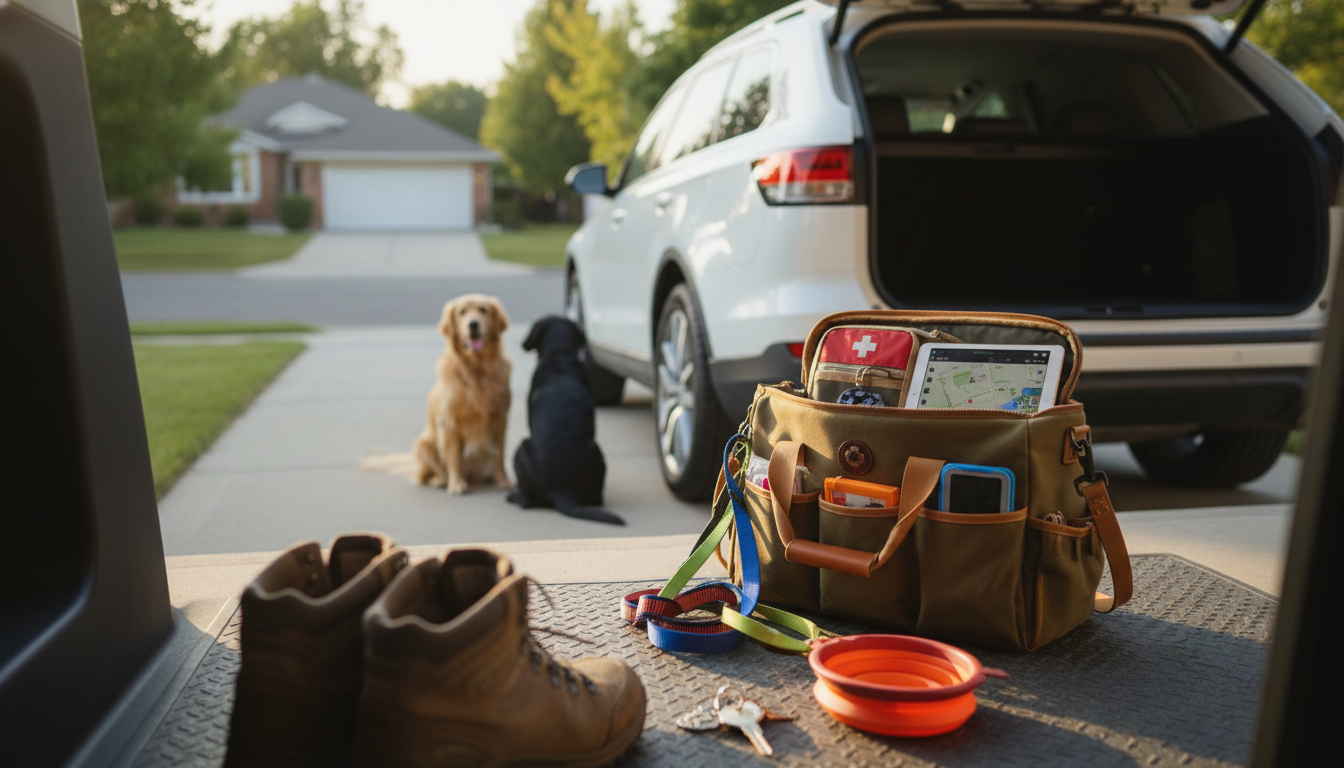
Insurance is one layer of protection; everyday preparedness is another. A secure, organized setup for treats, waste bags, and essentials can help prevent avoidable problems on walks. For a hands-free option that keeps walking necessities close and tidy, check out this guide to a hands-free dog walking bag.
Many dog walkers choose general liability insurance, and some add bonding or pet care/custody coverage to help protect against injuries, property damage, or incidents involving a client’s dog.
Yes, it’s possible, but it increases personal financial risk if an accident, injury, or property damage occurs during the walk.
Not always, but it’s a smart step for anyone walking dogs regularly or charging for services, since it can help protect you and your clients if something goes wrong.