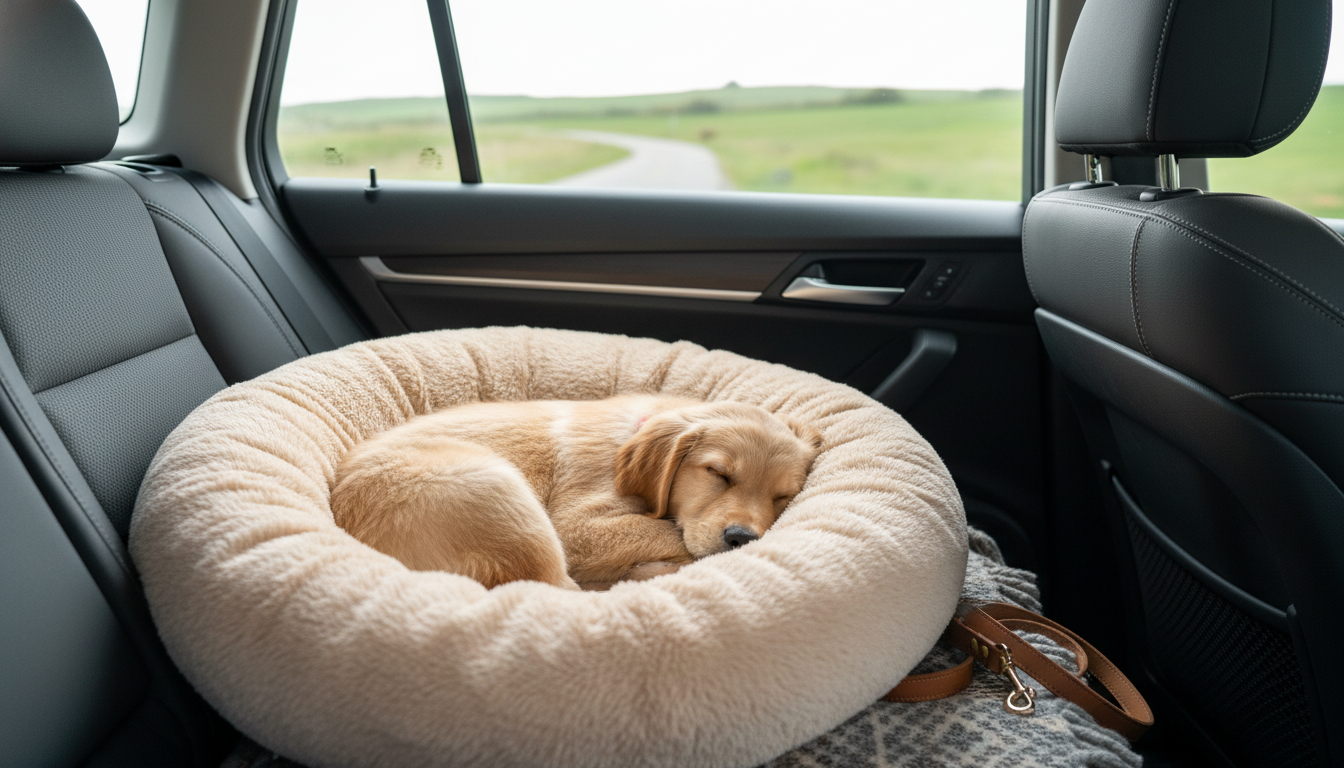
Calming pet beds can really work for many dogs and cats—especially pets that crave warmth, gentle pressure, and a tucked-in place to rest. The “magic” isn’t a sedative effect; it’s comfort design. Beds with plush fabrics, raised bolsters, or cave-like covers can help some pets settle faster, nap longer, and feel more secure during everyday stressors like loud noises, guests, or bedtime transitions.
That said, results vary. A calming bed is most effective when it matches how your pet naturally sleeps. If your dog loves burrowing under blankets or curling into tight spaces, a snuggler or cozy cave style often helps the most. If your pet sprawls out and runs warm, a more open, supportive bed may be a better fit.
Calming beds typically combine three comfort signals pets naturally seek: softness, boundary, and warmth. Fluffy fills and plush covers cushion pressure points. Raised rims act like a “safe edge” that supports the head and neck and reduces the feeling of exposure. Covered or hooded options mimic a den-like hideaway—great for pets that prefer to retreat when they’re unsure or overstimulated.
A calming bed won’t erase separation anxiety, noise phobias, or medical pain on its own. If a pet is pacing, panting excessively, refusing food, or showing destructive behavior, pairing comfort with training, routine, and veterinarian guidance is important. Think of the bed as a supportive tool—like a cozy home base—not a standalone fix.
Look for a bed that supports your pet’s preferred sleep style and daily routine. Prioritize washable materials for hygiene, durable stitching for long-term use, and a non-slip base for safety on hardwood floors. If your dog relaxes best when “tucked in,” a cave-style bed can provide that secure, wrapped feeling.
For a deeper look at snuggler-style comfort and what to consider when choosing a cozy cave bed, visit this guide.
They can be worth it for pets that like to curl up, burrow, or lean into bolsters. The right fit often improves rest quality and helps some dogs settle more quickly.
They’re generally safe when sized correctly and made with durable materials, but heavy chewers may need closer supervision. Choose a bed with easy-to-clean fabrics and remove loose parts if your puppy tries to chew them.
An anxiety bed is a comfort-focused bed designed to help dogs feel secure, often using plush materials and raised sides or a covered “den” shape. It’s meant to support relaxation, especially during stressful moments.