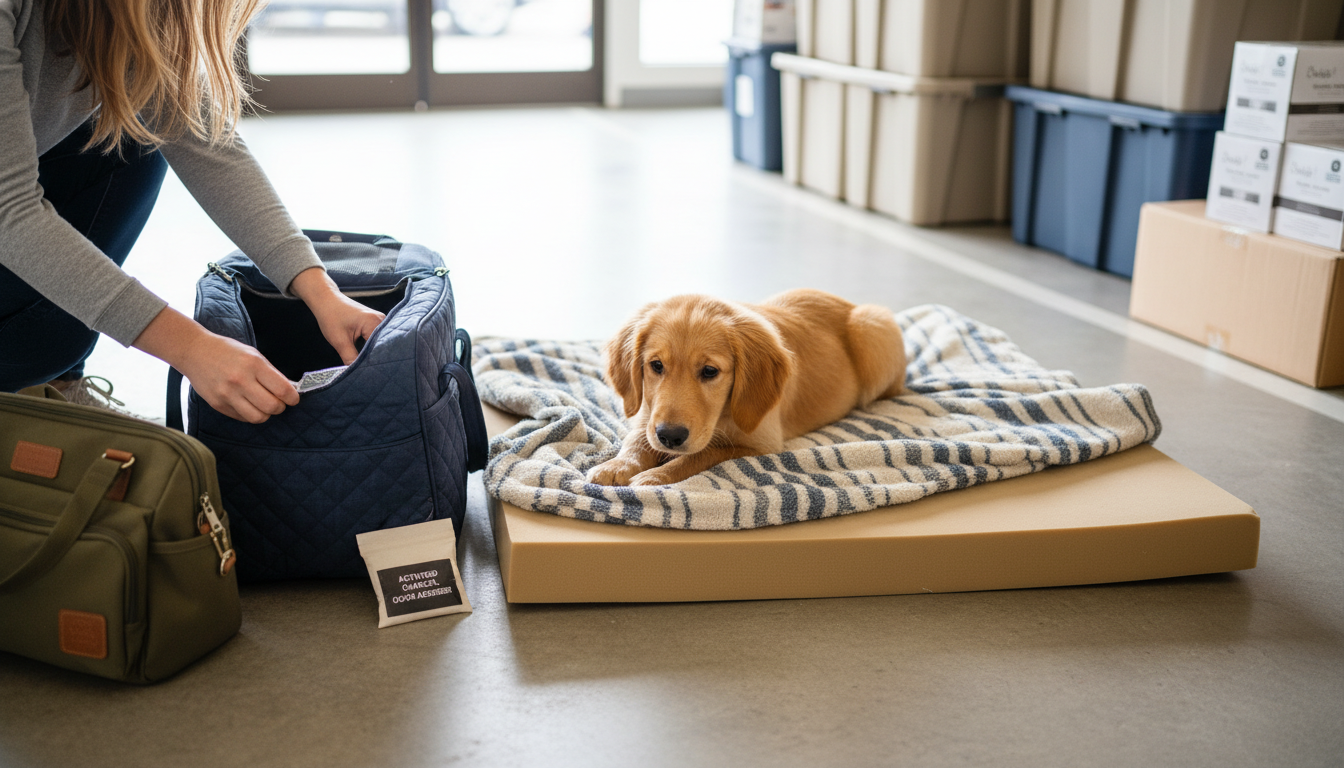
Not all memory foam mattresses “release toxins” in a dangerous way, but many new foam products do release a noticeable odor at first. That smell is usually caused by off-gassing—small amounts of volatile organic compounds (VOCs) that evaporate as the foam and adhesives finish curing and the product airs out.
The key difference is exposure level. Most modern memory foam is made to meet safety standards and, when used as intended, the VOC levels typically drop quickly. That said, some low-quality foams and glues can off-gas more strongly or for longer, which may be irritating—especially in small, poorly ventilated rooms or for people and pets with sensitivities.
If you’re shopping for a foam mattress (for humans or a plush, supportive dog bed), look for transparent materials and third-party certifications such as CertiPUR-US (common in the U.S.). These programs limit certain chemicals and set emissions standards, helping you choose foam that’s designed for everyday indoor use.
Most off-gassing is strongest in the first 24–72 hours after unboxing. A light “new foam” smell can be normal, but sharp chemical odors that linger may be a sign of lower-grade materials.
To reduce odors: unbox in a well-ventilated space, open windows, run a fan, and give the foam time to breathe before sleeping on it—or before letting your dog nest into it for long naps. If you’re furnishing a cozy pet corner, consider placing the bed where airflow is good and avoiding tight, enclosed spaces at first.
For pet owners who prioritize easy upkeep, choosing a bed design that supports regular cleaning can help keep the sleep surface fresh over time. For practical tips on comfort and maintenance, visit this guide to washable, non-slip dog bed mattresses and plush pads.
If anyone in the home—especially a dog with allergies or respiratory sensitivity—seems irritated around a new foam product, remove access, ventilate aggressively, and consider returning the item. Persistent headaches, coughing, watery eyes, or nausea aren’t “normal settling in” signs, and stronger reactions warrant medical or veterinary guidance.
Yes. Off-gassing usually drops significantly after a few days, and continues to fade over the next couple of weeks. Good ventilation speeds the process.
Some people report irritation-like symptoms such as headaches, dizziness, nausea, throat irritation, or watery eyes when exposed to strong odors. Pets may show sneezing, coughing, or unusual lethargy and avoidance.
If symptoms appear soon after bringing the mattress home and improve when you’re away from it, the mattress may be a trigger. Ventilate, pause use, and consult a healthcare professional for persistent or severe symptoms.