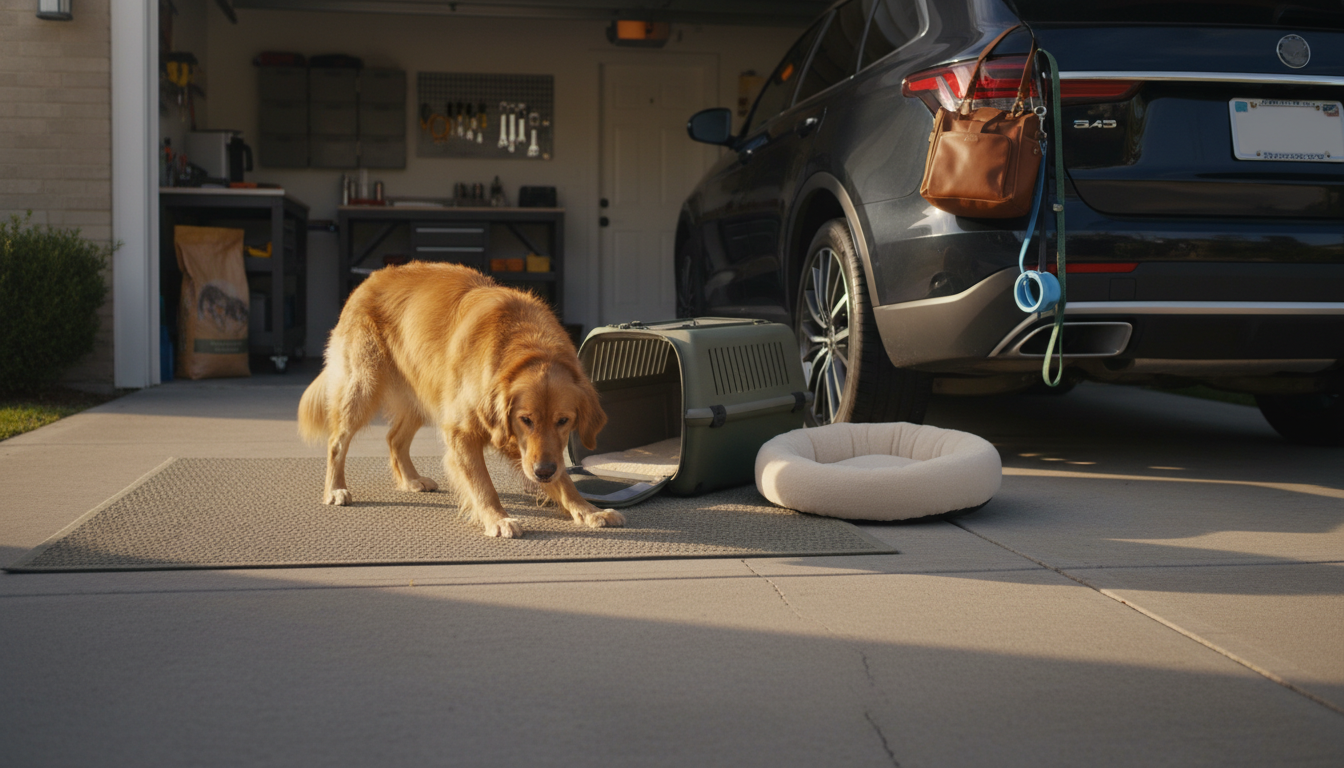
Yes—carpet scratching can be one sign of anxiety, especially when it shows up alongside other stress signals like pacing, whining, panting when it’s not hot, clinginess, trembling, or trying to hide. Some dogs “dig” at carpet as a coping behavior, similar to how humans fidget, because the repetitive motion helps them self-soothe.
That said, carpet scratching isn’t always about anxiety. Dogs also scratch to make a cozy spot (an instinctive “nesting” habit), to burn off boredom, to get attention, or because something physical is bothering them—like itchy skin, allergies, long nails, or discomfort in joints. The key is context: when it happens, how intense it is, and what else your dog is doing.
Anxiety-related scratching is more likely when it’s sudden, frequent, or tied to triggers (being left alone, loud noises, guests, bedtime, travel days). If your dog scratches and also seems unable to settle, startles easily, or keeps checking doors/windows, anxiety is a stronger possibility.
Habitual or comfort scratching tends to be brief and predictable—like circling and pawing before lying down—then stopping once your dog has a spot.
Start by meeting the basics: regular exercise, sniff walks, puzzle toys, and a calm routine. If scratching happens around rest time, offer an inviting “yes spot” to settle—like a supportive, cozy bed in a quiet corner—so your dog can nest without destroying carpet. A washable, cushioned option can also help dogs who scratch because they can’t get comfortable.
If you’re looking for a snug setup for small dogs and puppies, see this guide to a cozy round bed: https://kingwuff.com/blog/guide-paw-pillow-round-dog-bed-small-dogs-puppies/.
If the behavior escalates, causes damage to paws, or comes with appetite changes, nighttime distress, or new restlessness, check in with your vet to rule out pain, skin issues, or cognitive changes—then consider a certified trainer for a gentle behavior plan.
Dogs often mirror changes in their environment and may respond to tense energy, altered routines, or extra movement. Your dog might also be seeking attention or self-soothing when they sense something is “off.”
Increase daytime exercise and enrichment, then create a predictable bedtime routine with a comfortable sleep spot. If it’s persistent, rule out itching, pain, or anxiety triggers like noises or separation.
In senior dogs, new restlessness and scratching can point to discomfort (arthritis), skin sensitivity, anxiety, or age-related cognitive changes. A vet visit is a good first step to identify the cause and improve comfort.