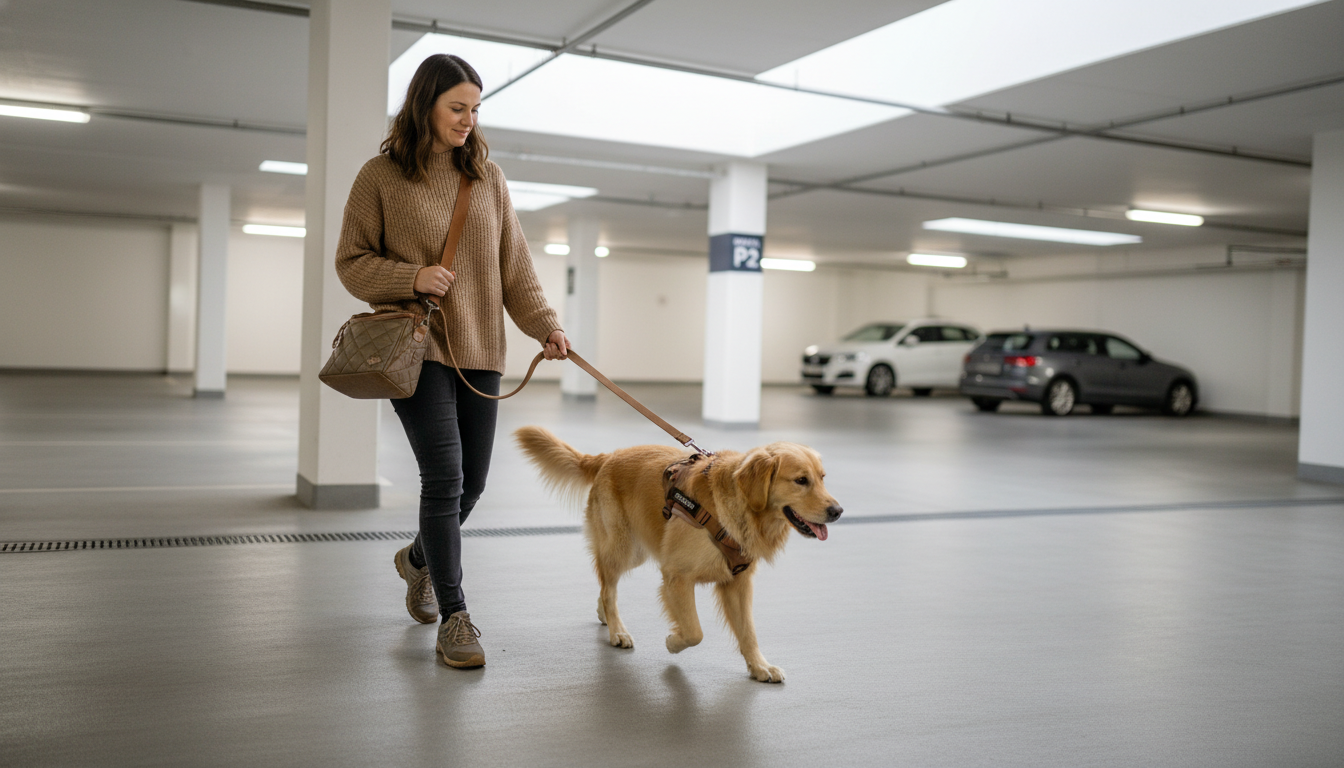
Below are practical points for can you walk a dog without insurance?.
Yes, it’s usually possible to walk a dog without insurance—especially if you’re walking your own dog or helping a friend. In many places, there’s no blanket rule that says a casual dog walker must carry a specific insurance policy. That said, “can” and “should” aren’t always the same thing when it comes to pet safety and financial protection.
The bigger issue is liability. If a dog slips the leash, causes property damage, or bites someone (even by accident), the person handling the leash at that moment could be held responsible. Medical bills and legal costs can add up fast, so it’s worth knowing what coverage you already have through renters or homeowners insurance—and where the gaps might be.
If you’re walking dogs as a business (even part-time), insurance becomes much more important. Clients may expect it, and some jurisdictions, apartment buildings, or platforms require it. Pet-sitting and dog-walking policies often cover common scenarios like third-party injury, property damage, and “care, custody, and control” incidents (injury to the pet while in your care).
Even with or without insurance, small habits can make walks safer. Use secure gear that fits properly, keep your hands free for balance and control, and carry essentials like poop bags and treats so you’re not fumbling mid-walk. A well-organized walking setup also helps you stay calm if something unexpected happens.
For a simple, comfort-first way to streamline your routine, check out this helpful guide to a hands-free dog walking bag: https://kingwuff.com/blog/guide-red-rover-dog-walking-bag-hands-free-waist-pack/.
You can often walk a dog without insurance, but the right coverage can protect your wallet and your peace of mind—especially if you’re walking dogs regularly or professionally. When in doubt, confirm local rules and review what your existing policy covers before you clip on the leash.
If you walk dogs professionally, insurance is strongly recommended and may be required by clients or local rules. For casual walks, it may not be required, but liability risks still exist.