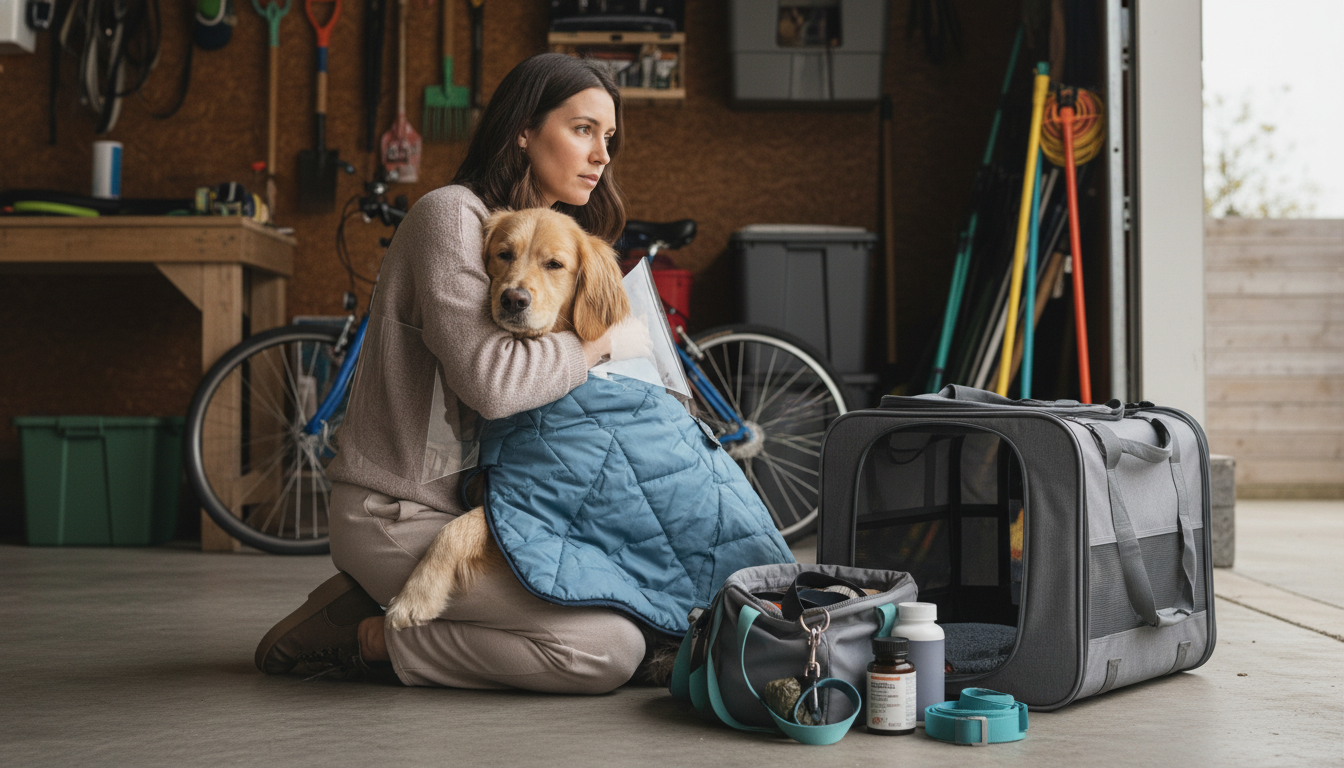
Cuddling is usually low-risk, but it’s smart to be cautious. Most dog tapeworms (like Dipylidium caninum) spread to people when someone accidentally swallows an infected flea—not from simple petting. That said, tapeworm segments can show up around your dog’s rear end or on bedding, and fleas can hitch a ride onto soft surfaces, blankets, and carpets.
Skip close snuggles for now if your dog has fleas, is scooting, or you’re seeing “rice-like” segments on fur or fabric. Extra care is also important if there are young kids, anyone who’s immunocompromised, or if your dog sleeps nose-to-face with you.
Focus on two things: treatment and clean-up. Call your vet for the right dewormer (many tapeworm meds work quickly), and treat fleas at the same time—otherwise tapeworms can come right back. Until treatment is underway, keep cuddles to gentle petting, avoid face contact, and wash hands after handling your dog (especially before eating).
Freshening up your home helps, too: wash your dog’s bedding on hot if the fabric allows, vacuum floors and furniture thoroughly, and clean any spots where your dog lounges. A washable bed cover and a grippy, easy-to-clean sleep surface can make this routine much simpler—see practical tips in this guide: washable, non-slip dog bed mattress + plush pad guide.
After your dog has been treated and you’ve addressed fleas and bedding, cuddling is generally fine again. If you keep seeing segments after treatment or your dog has ongoing itching, schedule a follow-up with your vet to confirm the tapeworms and fleas are fully cleared.
Yes, touching is generally safe, but wash your hands afterward and avoid contact with your dog’s rear end or any visible tapeworm segments. Make sure flea control and deworming are started promptly.
It’s better to pause bed-sharing until your dog has been treated and fleas are under control. Wash bedding and vacuum to reduce the chance of fleas or tapeworm segments lingering in your sleep space.
Avoid kissing until treatment is complete. Keeping mouths away from your dog’s face helps reduce the chance of accidentally ingesting fleas or contaminating yourself after grooming behaviors.