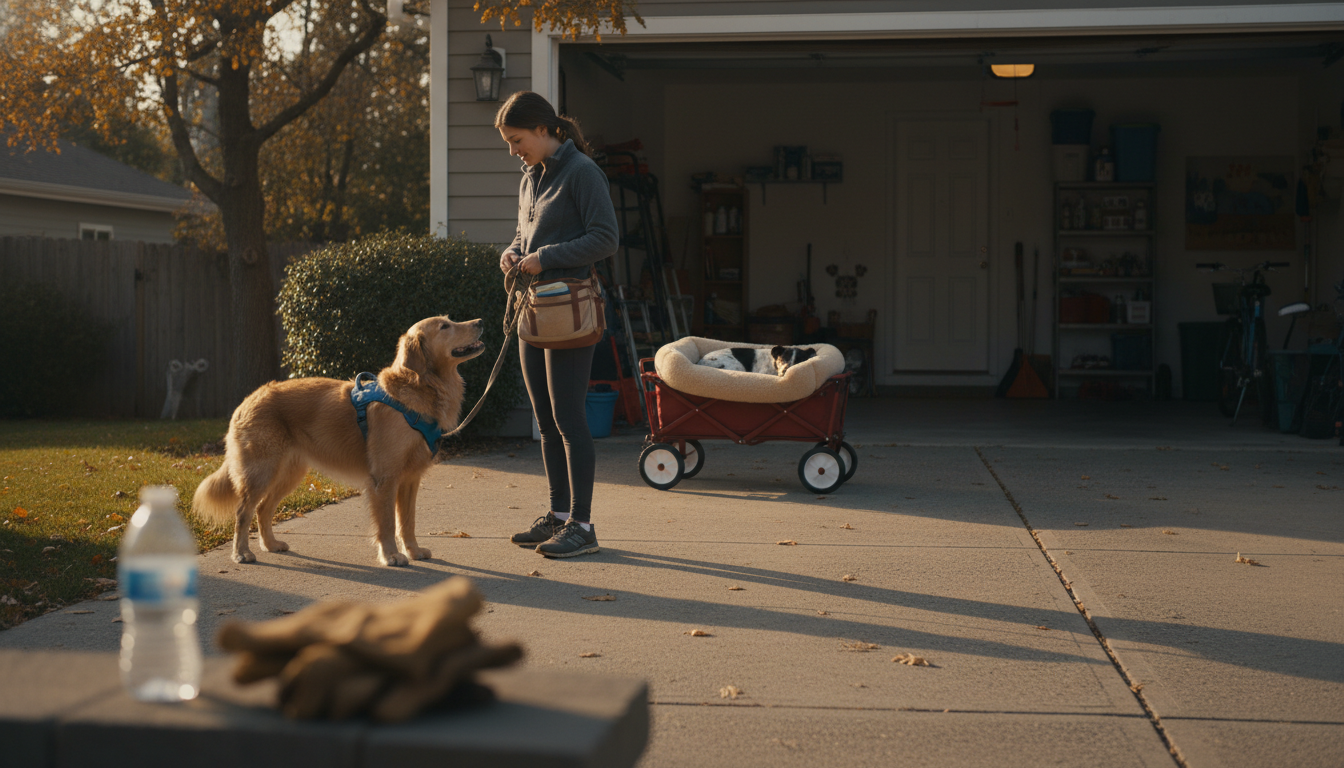
Yes—if your dog bites a Rover walker (or any hired dog walker), you can potentially be sued. The exact outcome depends on your state’s dog bite laws, what happened during the walk, and whether anyone was negligent. In many places, a dog owner may be financially responsible for injuries their dog causes, especially if the bite required medical treatment or caused lost wages.
Dog-bite rules vary by state. Some states follow “strict liability,” where an owner can be responsible even if the dog has never bitten before. Others use a “one-bite” or negligence-based approach, where liability can depend on whether you knew (or should have known) your dog might bite, or whether reasonable precautions were taken.
Other factors can matter, too: Was the walker following your instructions? Was the dog properly leashed and secured? Did the bite happen because the dog was startled, cornered, or handling equipment failed? Details like these can influence whether an insurance claim is paid or a lawsuit succeeds.
If a walker is injured, they may seek compensation for medical bills, time off work, scarring, or other damages. Often, the first step is an insurance claim (such as homeowners or renters insurance), but in some cases it can escalate to a lawsuit—especially if the injuries are serious or coverage is denied.
Prevention starts with clear communication and secure gear. Share triggers and handling tips in writing, confirm your dog’s comfort with being clipped in, and use sturdy leashes and attachments. Many owners prefer hands-free setups for steadier control, but the most important part is reliable, well-fitted equipment and consistent routines. For ideas on organizing essentials and staying prepared, see our guide to the Red Rover dog walking bag and hands-free waist pack.
If your dog shows fear, guarding, or reactivity—especially around handling—work with a qualified trainer before hiring a walker. A bite history or escalating warnings (growling, snapping) is a strong signal to pause and address behavior and safety plans first.
It can be a good choice for many dogs if it fits their size and sleep style and uses supportive, washable materials. Look for a non-slip base, durable stitching, and enough cushioning—especially for seniors or larger breeds.