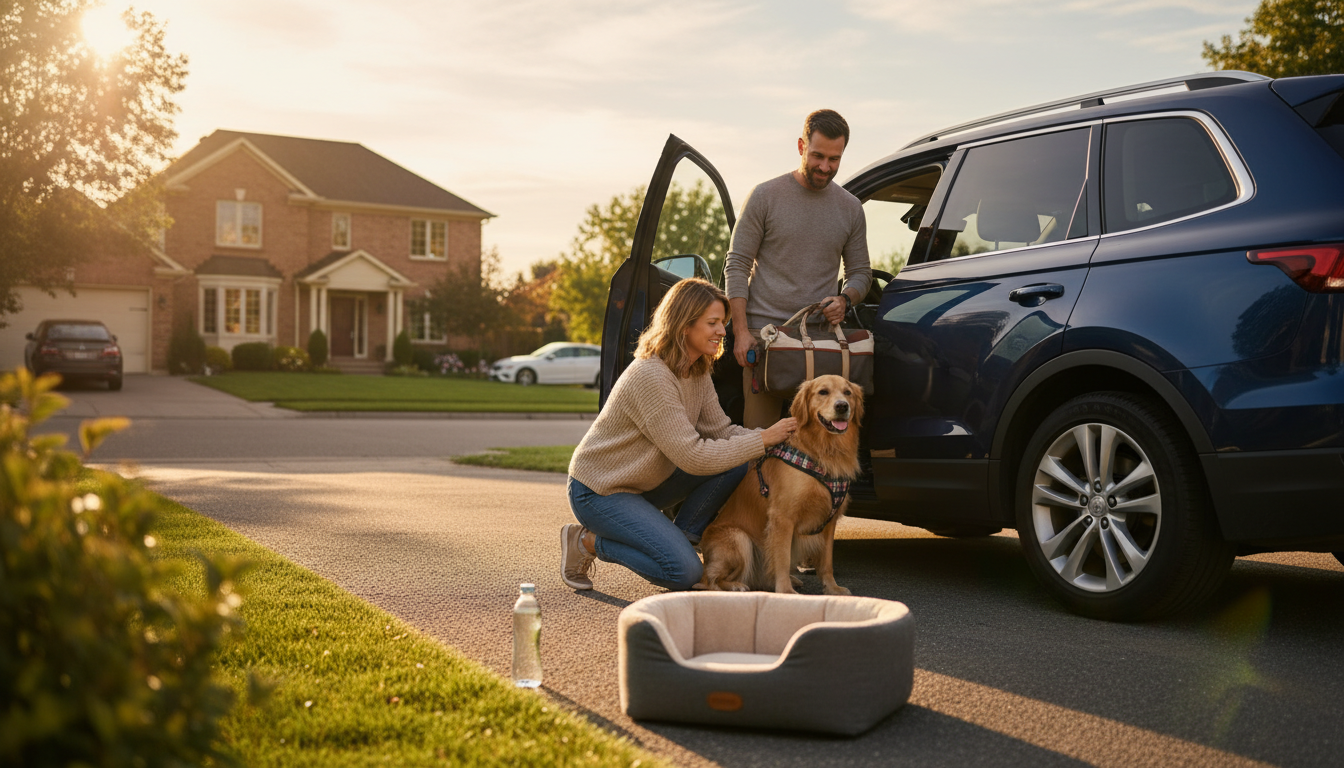
A sunny drive with your best friend sounds perfect—but comfort needs to come with smart safety habits. In Texas, there isn’t a statewide law that specifically bans dogs from riding in the front seat. That said, you’re still responsible for driving safely, and an unrestrained dog can create real risks (and potential legal trouble) if they interfere with your control of the vehicle.
Even without a “no dogs in the front seat” rule, officers can cite drivers under broader safety or nuisance laws if a pet is causing distraction, blocking the driver’s view, or creating a hazard. If a dog climbs into your lap, bumps the shifter, blocks mirrors, or gets under the pedals, it can quickly turn into a dangerous situation.
For most dogs, the front seat is not the safest place. Airbags are designed for adults and can seriously injure a small dog (or any dog positioned too close) during a crash. Dogs can also be thrown forward during sudden braking if they’re not secured.
For day-to-day drives, the safest setup is usually the back seat with a crash-tested harness or a well-secured carrier. A supportive dog car seat or carrier can help your pup stay comfortable and contained, reducing roaming and distraction—especially for smaller dogs who like to sit up and look out the window.
If you’re shopping for a practical, comfort-first option for car rides, check out this helpful guide: Puff Puppy Dog Car Seat Carrier Bag Guide.
If you still choose the front passenger seat, use a secured carrier or harness, keep your dog away from airbags when possible, and never allow lap riding. The goal is simple: your pup stays calm and protected, and you stay focused.
Texas doesn’t have a statewide law specifically banning dogs from the front seat. But your dog can’t interfere with safe driving, and the front seat can be riskier because of airbags.
It’s unsafe and can lead to distracted driving issues if your dog affects your control of the vehicle. A secured carrier or harness is a much safer choice.
Texas law focuses on child safety seats for younger children, but many safety experts recommend keeping kids in the back seat until at least age 13. Seat belt fit and airbag risk are key considerations.