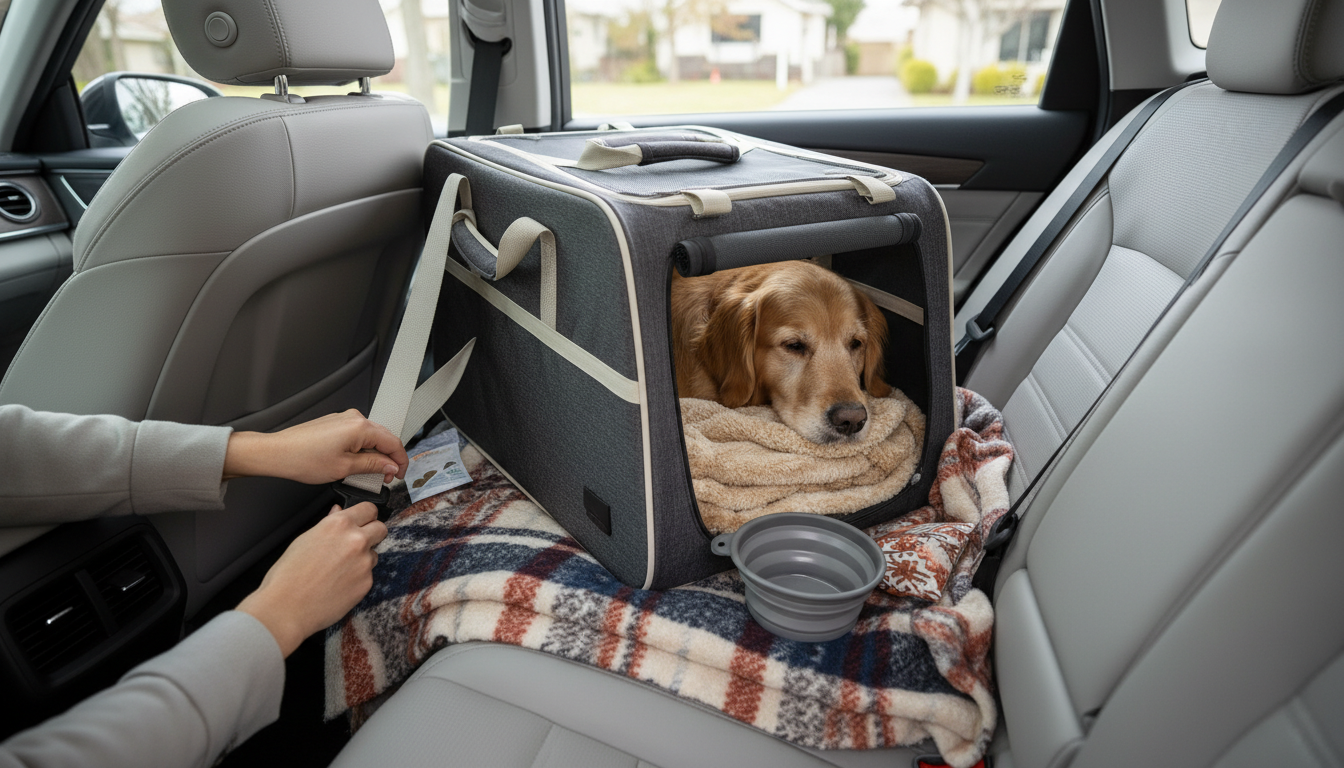
Sometimes, yes—but it depends on the airline, aircraft, route, season, and the individual pet’s health and stress tolerance. Many pets do travel in the cargo hold without incident when flights are direct, temperatures are controlled, and handling is careful. Still, the cargo environment can be loud, unfamiliar, and stressful, and risks increase with extreme weather, long layovers, or pre-existing medical issues.
On many commercial flights that accept pets, animals are placed in a pressurized, temperature-controlled section of the cargo hold. That’s the best-case scenario. However, conditions can vary during loading and unloading on the tarmac, where heat or cold exposure can happen quickly. Noise, vibration, and separation from their person can also raise anxiety for even confident travelers.
Cargo travel tends to be riskier for brachycephalic (short-nosed) breeds, senior pets, very young animals, and pets with heart or respiratory conditions. Delays, missed connections, and overnight holds can add extra time in a carrier, which increases stress and dehydration risk. Hot summer and freezing winter travel windows can also trigger airline embargoes for good reason.
Start with a vet check and confirm your pet is healthy enough to fly. Choose a nonstop flight when possible, and avoid peak heat/cold times of day and year. Use an airline-compliant, sturdy carrier with secure fasteners and excellent ventilation, and make sure your pet can stand, turn, and lie down comfortably. Add an absorbent pad and a familiar-smelling blanket (nothing that blocks airflow), and clearly label the carrier with your contact information.
For more practical planning tips—plus comfort-focused travel gear ideas—visit this pet travel comfort guide.
It can be a good choice for many dogs if it fits their size and sleep style and uses supportive, washable materials. Look for a non-slip base, durable stitching, and enough cushioning—especially for seniors or larger breeds.