Sometimes a dog can hold pee for 12 hours, but it usually isn’t ideal—and for many dogs, it’s simply too long. A healthy adult dog might manage it once in a while (like during an unexpected travel delay), but regularly waiting that long can lead to discomfort and may increase the risk of urinary issues.
How long a dog can comfortably hold urine depends on age, size, health, and routine. Puppies need much more frequent potty breaks, and senior dogs may have weaker bladder control. Small dogs also tend to have smaller bladders and may need to go sooner than larger breeds. Water intake, exercise, and stress (like new places or long car rides) can also change what “normal” feels like for your pup.
If a dog is forced to hold it, you might notice pacing, whining, repeated trips to the door, restlessness, licking around the genital area, or accidents. More concerning signs include straining to urinate, blood-tinged urine, frequent tiny pees, or sudden incontinence—those are good reasons to call a veterinarian promptly.
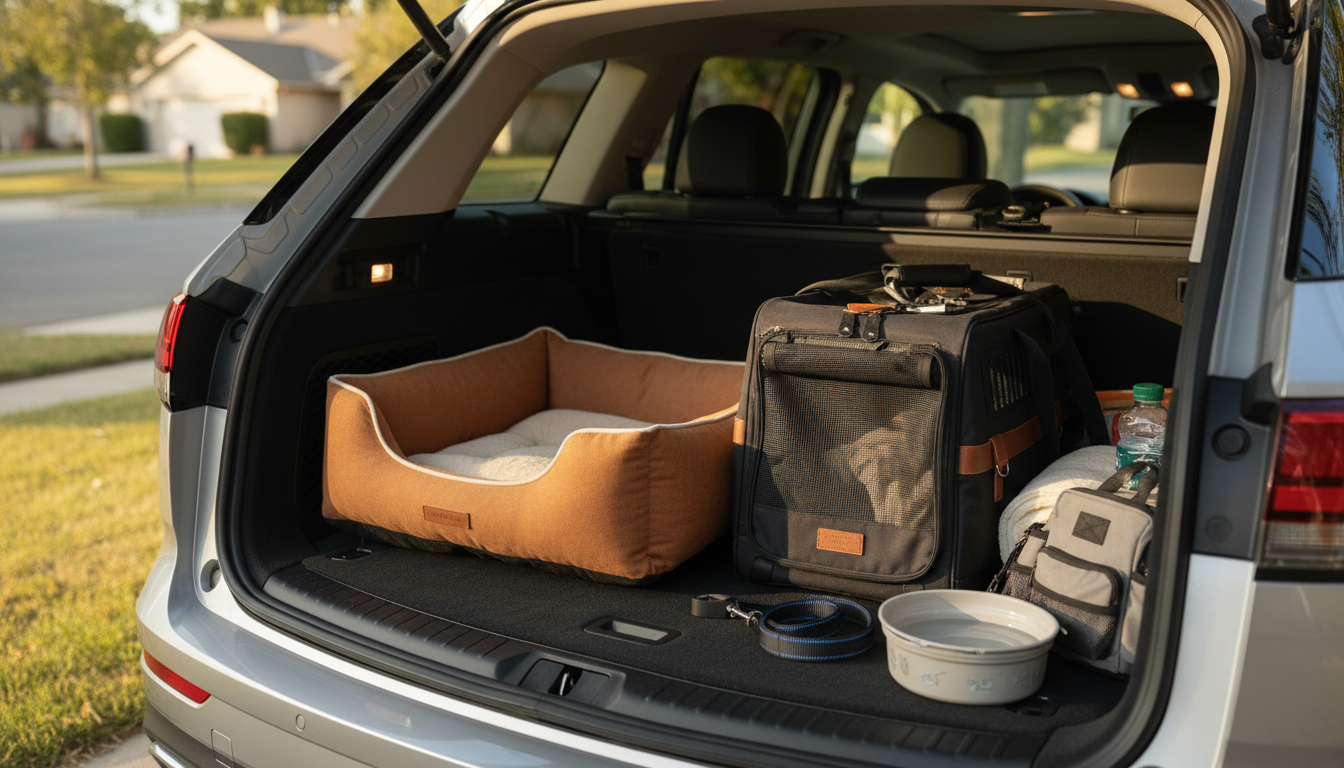
For most adult dogs, planning potty breaks every 6–8 hours is a more comfortable rhythm. When you’re out walking or traveling, a predictable routine helps your dog relax. Keeping essentials organized—waste bags, water, treats, and a small towel—can make it easier to stop when your dog needs a break. For a practical, pet-centric setup that keeps walks smooth and hands-free, check out this guide: hands-free organized dog walking bag tips.
If your schedule regularly requires 12-hour stretches, consider arranging a midday dog walker, a neighbor check-in, or doggy daycare. Your dog’s bladder (and overall comfort) will thank you.
Some adult dogs can make it through the night for 10–12 hours, but it depends on their age and health. If your dog seems uncomfortable or is waking up to ask out, shorten the overnight stretch.
Many small adult dogs do best with a shorter overnight window, often around 8–10 hours. Puppies, seniors, and dogs with urinary conditions usually need more frequent breaks.
Anecdotes vary widely, but individual stories don’t replace what’s safe for your specific dog. As a general rule, frequent long holds aren’t recommended; aim for consistent opportunities to potty.