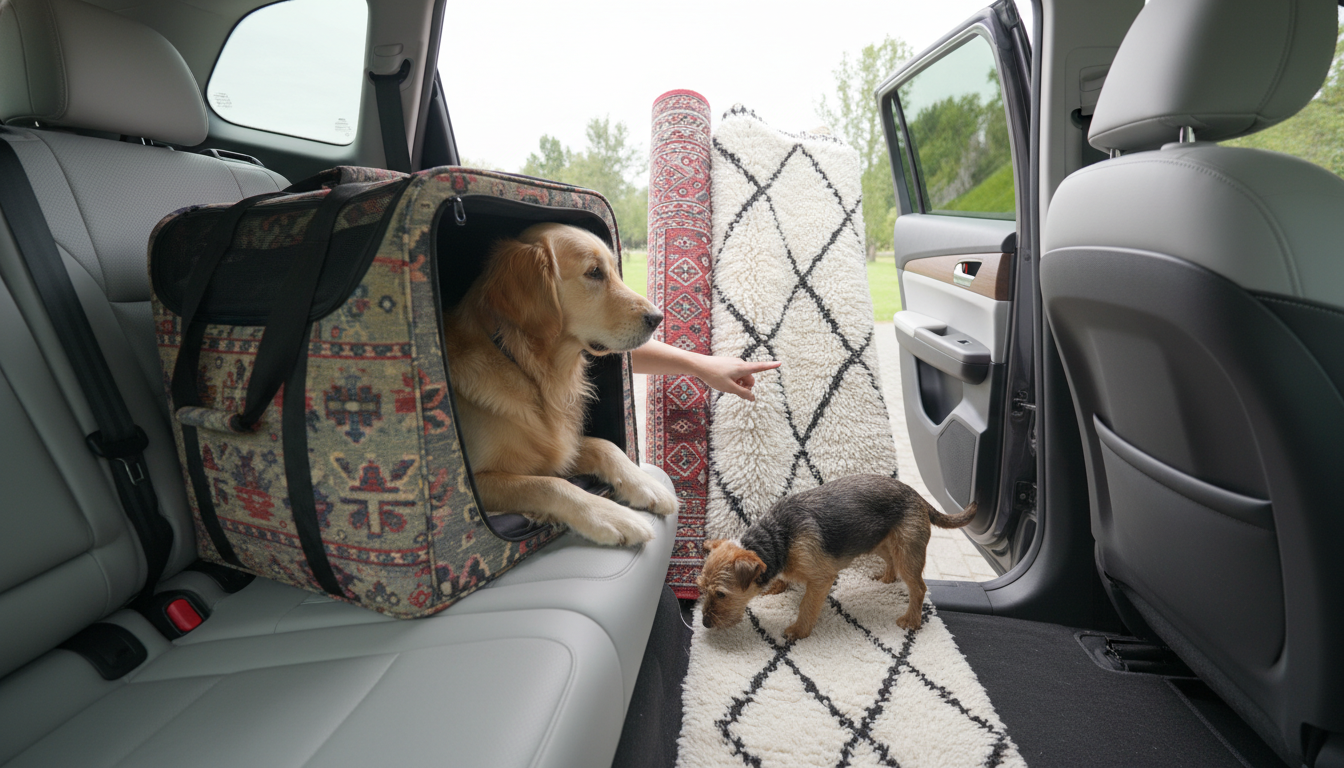
Neither is universally “better”—Turkish and Moroccan rugs shine in different ways, and the best choice depends on your space, lifestyle, and how much daily wear your home sees (especially with pets). If comfort, durability, and easy living matter most, focus on construction, fiber, and pile height rather than the country name on the tag.
Many Turkish rugs (including Anatolian styles) are known for tighter, more uniform weaving and crisp, repeating patterns. That structure can translate to a flatter, more stable surface that’s easier to vacuum and less likely to snag from playful paws. If you prefer a clean, classic look—or need a rug that handles high-traffic areas with fewer fuzzy fibers—Turkish rugs often fit the bill.
Moroccan rugs are famous for their plush, cozy texture and organic, free-form patterns. Styles like Beni Ourain are often thicker and softer underfoot, which can feel extra inviting in bedrooms, living rooms, or any spot where you want a warm “sink-in” vibe. For pet homes, that softness is lovely—just remember that higher pile can hold more fur and can be more work to keep pristine.
If your dog zooms, sheds, or tracks in dirt, a lower-pile or flatter weave is usually simpler to maintain and less tempting to claw. If your priority is a cushy lounge zone, a thicker Moroccan rug can be wonderfully comfortable—especially if you pair it with a dedicated resting spot so your pup has their own cozy place.
Look for wool (naturally resilient and odor-resistant), check pile height (lower is easier to clean), and consider color/pattern (busier designs hide everyday lint). A quality rug pad helps prevent slipping and protects both the rug and your floors.
For more cozy-at-home ideas for small dogs and puppies, visit our guide: Paw Pillow Round Dog Bed Guide.
It can be a good choice for many dogs if it fits their size and sleep style and uses supportive, washable materials. Look for a non-slip base, durable stitching, and enough cushioning—especially for seniors or larger breeds.