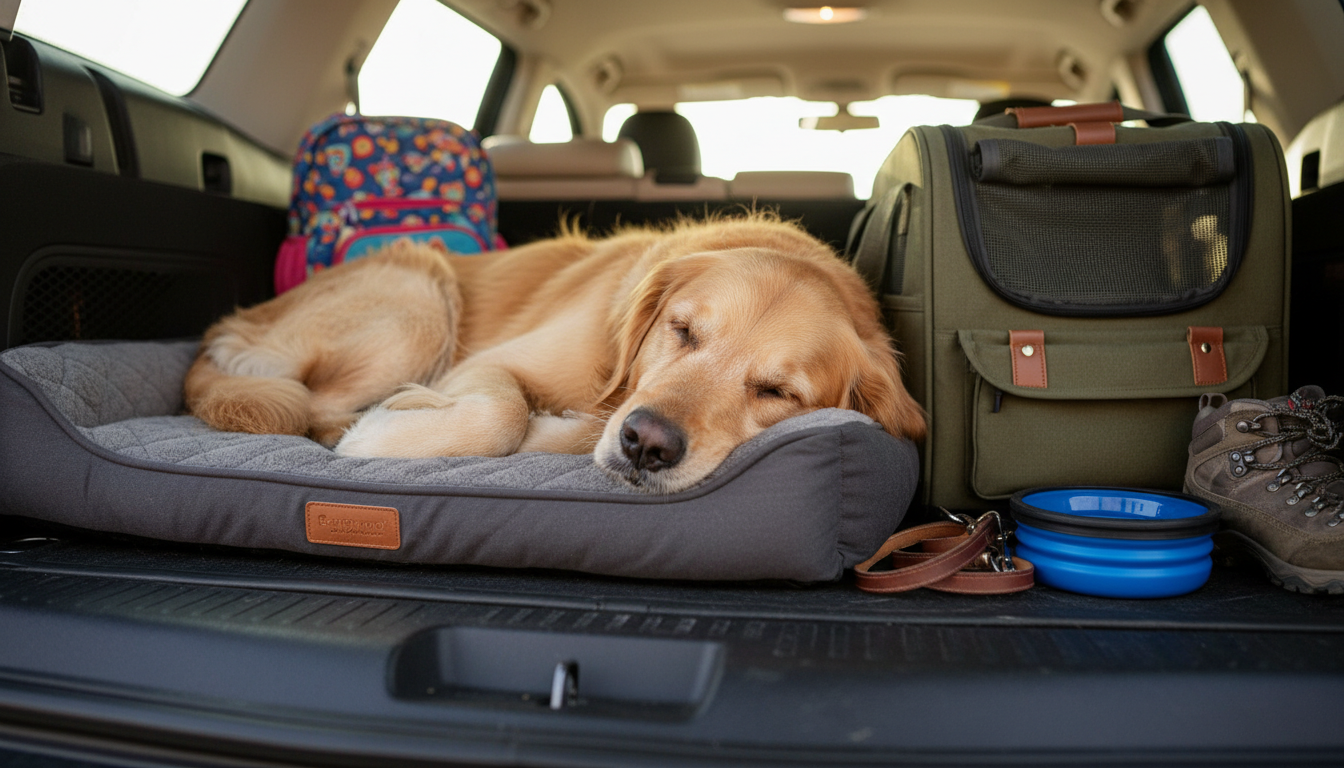
Often, yes. When a dog stretches out on their side, it usually signals they feel safe, comfortable, and relaxed in their space. Side-sleeping exposes the belly and vital organs, so many dogs only do it when they’re at ease with their surroundings and the people (or pets) around them.
That said, happiness isn’t the only reason a dog sleeps this way. Some pups are simply trying to cool down, loosen tight muscles, or get pressure off a sore spot. Breed, age, temperature, and joint comfort can all influence sleep position, so side-sleeping is a strong “content and comfy” clue—but not the only one.
Side-sleeping is commonly paired with a loose body, soft facial muscles, and slow, steady breathing. You may also notice paws twitching or quiet woofs during dream cycles, which is typical during deeper sleep. If your dog regularly chooses the side position, it’s a good sign they have a cozy routine and a spot that feels secure.
To support that relaxed, sprawled-out posture, many dogs do best with a bed that cushions joints while still feeling snug. A cave-style bed can be especially comforting for pups who like to burrow before stretching out, since it adds warmth and a den-like sense of security. For a deeper look at creating an inviting sleep setup, visit this cozy cave bed guide.
If side-sleeping is new and your dog seems restless, stiff, or sensitive when standing up, they may be adjusting for discomfort. Keep an eye out for limping, frequent position changes, or trouble settling. In those cases, a supportive bed and a quick check-in with your veterinarian can help pinpoint what’s going on.
The most comfortable position is the one your dog chooses consistently while staying relaxed and settled. Many dogs find side-sleeping or curling up comfortable depending on temperature and how secure they feel.
A happy dog typically sleeps with a loose, relaxed body, steady breathing, and minimal tension. Common “content” positions include sleeping on their side, curling up, or stretching out after a cozy burrow.
Only if your veterinarian recommends it or your dog needs it for a specific reason, like preventing licking or protecting a surgical site. Otherwise, most dogs sleep more comfortably without a cone.