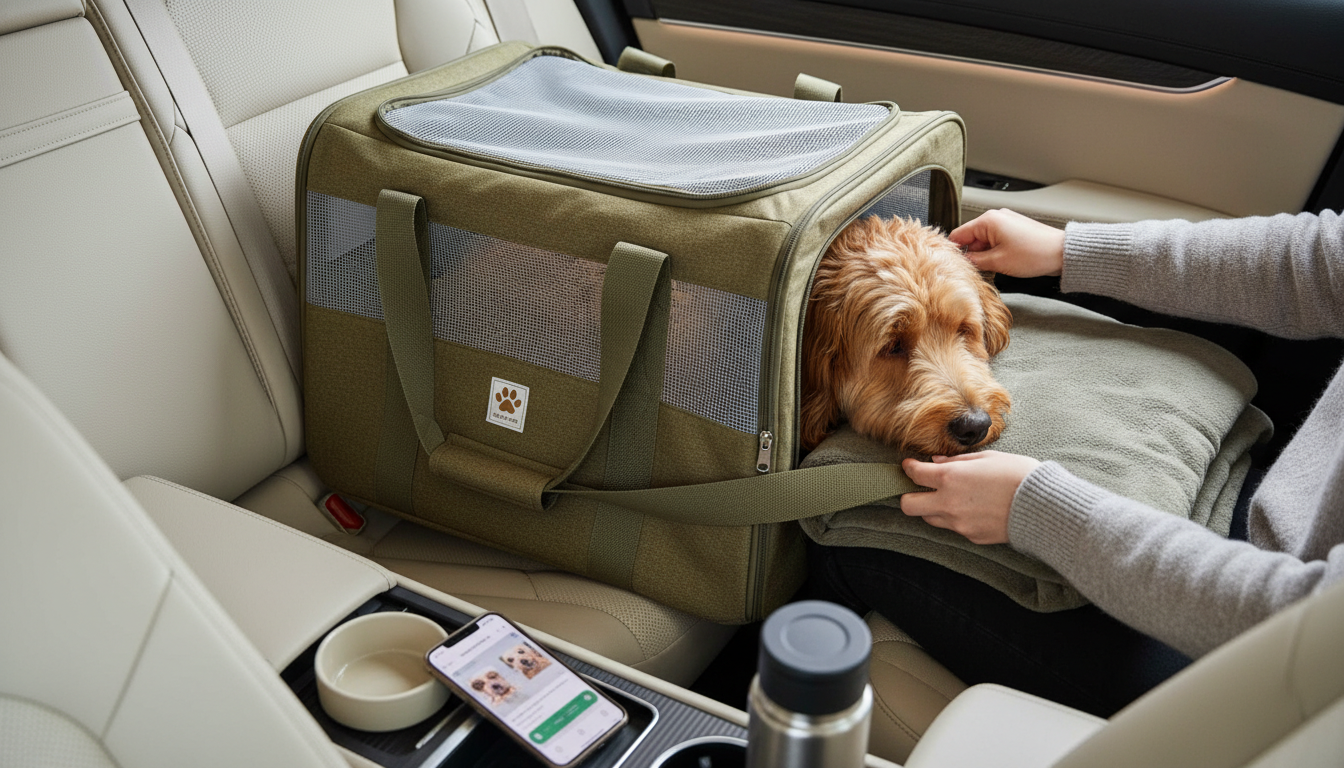
Yes—dog carriers can be very safe for dogs when they fit well, are used for the right duration, and are designed with comfort and stability in mind. A good carrier gives your pup a cozy “den” during errands, travel, or busy walks, while keeping them close and protected from crowds, hot pavement, or overstimulation.
Safety starts with the basics: proper sizing (your dog can sit and turn comfortably), strong construction (durable stitching, sturdy base, reliable zippers), and breathable panels to support airflow. Look for a secure tether or clip inside the carrier so your dog can’t jump out unexpectedly, and choose a design that keeps your dog supported rather than slouched.
Even the best carrier needs smart habits. Keep your dog’s head and airway unobstructed, avoid overpacking the bag, and check that the carrier sits balanced on your body—especially for longer walks. Offer breaks, water, and a quick posture check (no cramped spine, no pressure on the neck). If your dog shows signs of stress—excessive panting, drooling, or struggling—pause and reassess fit, temperature, and how long they’ve been inside.
Carriers are especially helpful for puppies, seniors, small breeds, and dogs recovering from injury who need short, supported outings. They’re also handy for crowded places where paws could get stepped on, or for travel days when your dog needs a familiar, comfortable spot to settle.
For a hands-free, organized approach to walking with your pup, see the full guide here: Beige Rover Dog Walking Bag Guide.
Not necessarily. A well-fitted backpack carrier with good ventilation and a supportive base is typically safe; problems usually come from poor fit, overheating, or carrying a dog that’s too heavy for the design.
It depends on your dog’s age, health, and temperature, but short stints with regular breaks are best. For longer periods, plan water and potty breaks and make sure your dog can stay cool and comfortable.
Airline-approved carriers vary by airline and aircraft, so always check the specific size limits and rules before purchasing. Most airlines require a soft-sided carrier that fits under the seat and provides adequate ventilation.