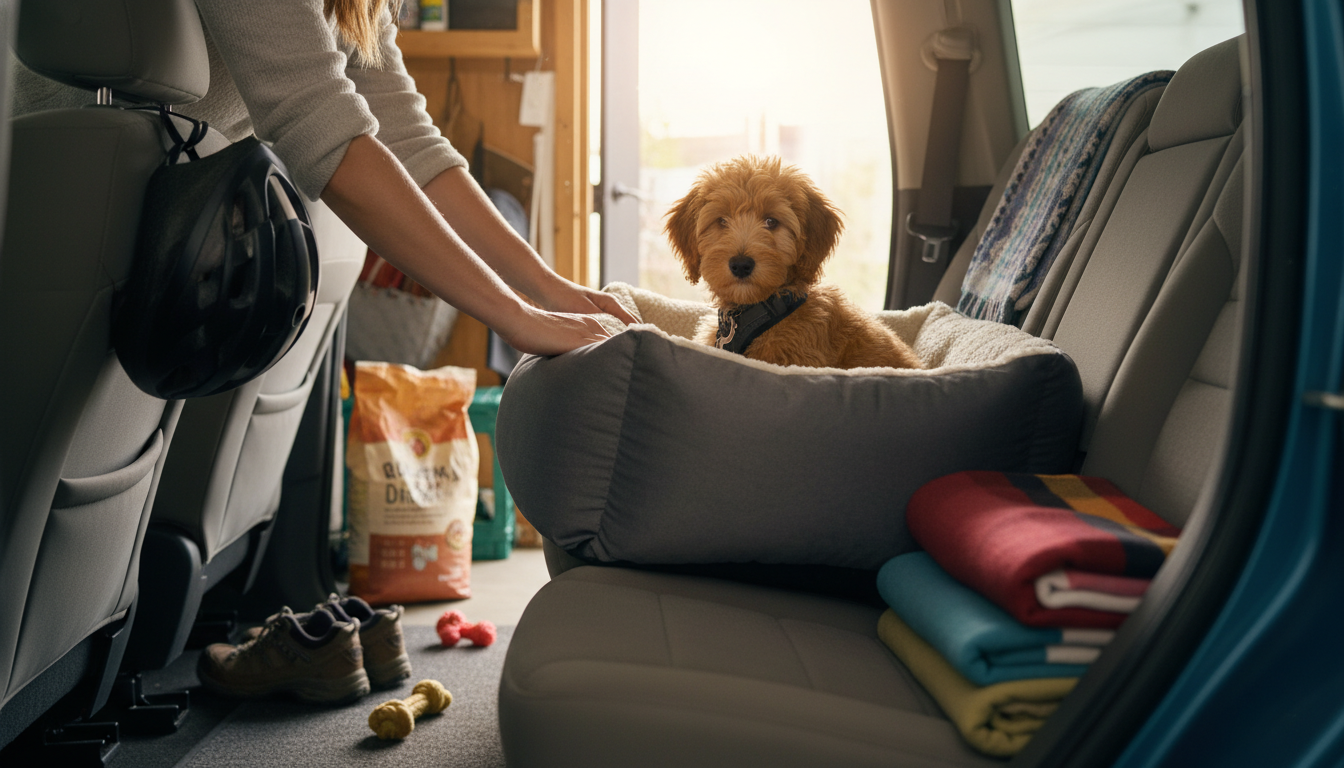
Yes—dog car seats can be a very good idea when they’re used correctly. A quality dog car seat helps limit roaming, keeps your pup in a more stable spot during turns and stops, and can make rides feel calmer and cozier. For small dogs especially, a raised, supportive seat can also help them see out the window without needing to climb around the cabin.
That said, a “car seat” should never replace real restraint. The safest setups include a built-in tether or attachment point that connects to a crash-tested harness (not a collar), plus a secure method of anchoring the seat itself with a seat belt or LATCH-style strap. This combination supports comfort while adding an important layer of safety.
A good dog car seat is more than a cute travel accessory—it’s a comfort-and-control system. Look for a supportive base, protective side walls, and durable materials that can handle daily use. Removable, washable liners are a big win for muddy paws, shedding, and snack crumbs.
Many pups also do better with a defined “nest” that feels like home. A structured carrier-style seat can reduce sliding and wobbling, which often helps nervous travelers settle faster. It’s also a practical choice for errands, road trips, and vet visits when you want your dog close by but not on your lap.
Below are practical points for how to use a dog car seat safely.
For a deeper look at choosing and using a carrier-style car seat, visit the full guide here: https://kingwuff.com/blog/guide-puff-puppy-dog-car-seat-carrier-bag-king-wuff/.
A crash-tested harness used with the car’s seat belt is often the most practical option for large dogs. For some vehicles and dogs, a secured travel crate can also be a strong choice when it fits properly.
A stable, well-cushioned seat that minimizes wobble can help some dogs feel less nauseous. Keeping the ride calm, limiting big meals before travel, and providing good ventilation can also make a difference.
Many owners share positive experiences when the seat is securely anchored and paired with a harness. Concerns usually come up when seats are unrestrained, attached to collars, or treated as a substitute for proper safety gear.