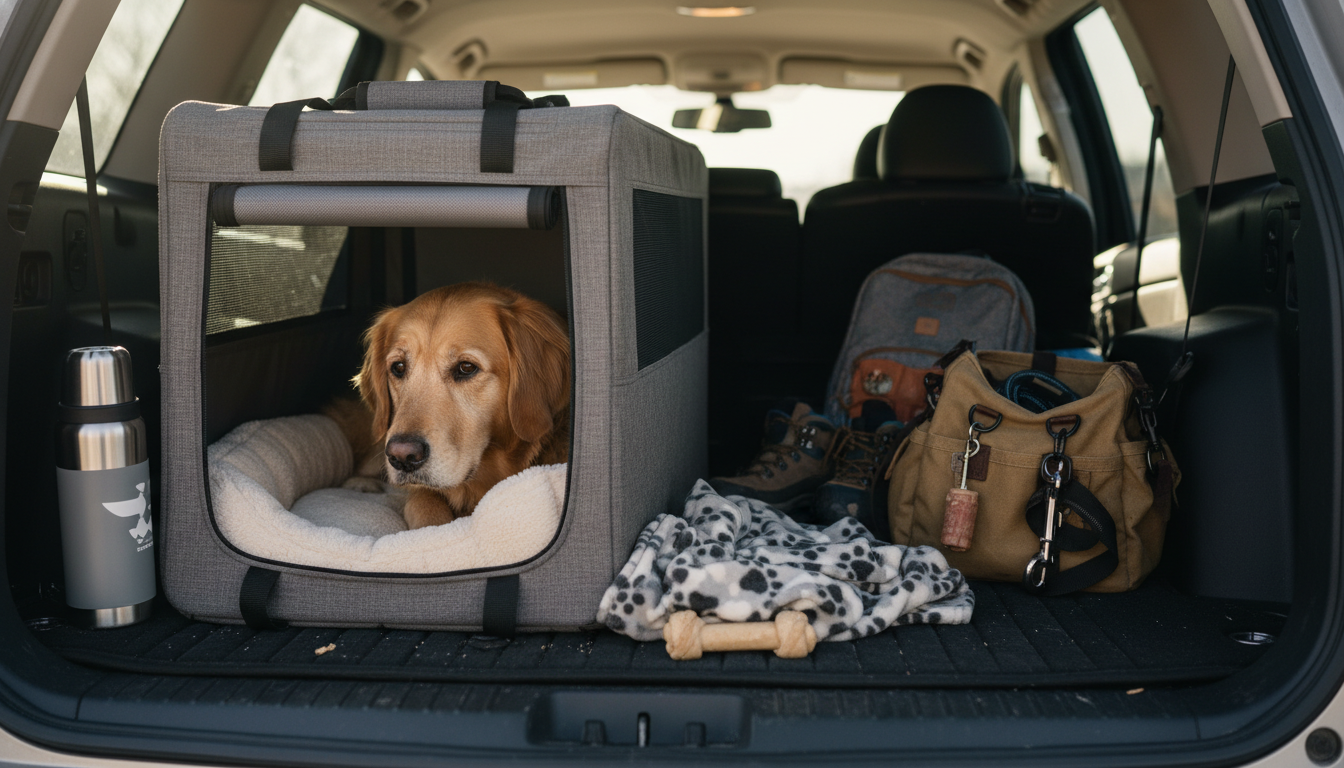
The “75% of dogs are depressed” statistic isn’t a solid, widely accepted figure. While dogs can experience depression-like states (often tied to stress, grief, pain, or big routine changes), most veterinarians and behaviorists don’t treat depression as something affecting three out of four pet dogs across the board.
What’s more common is that dogs show temporary low mood or reduced energy after events like moving, a new baby, a pet sibling leaving, schedule changes, or a stressful trip. The good news: many dogs bounce back once they feel safe, comfortable, and back in a predictable rhythm.
Dogs don’t “tell” us with words, so signs often show up as behavior shifts. Watch for a cluster of changes that lasts more than a week or two:
Because these signs can also point to pain or illness, a vet check is a smart first step—especially if symptoms come on suddenly.
Start with comfort and consistency. Keep meal and walk times steady, add gentle enrichment (sniff walks, food puzzles, short training games), and create a calm “home base” where your dog can fully relax.
If travel or outings are part of life right now, reducing stress helps many dogs recover faster. A well-fitted carrier or travel bag, familiar bedding, and frequent breaks can make transitions feel safer. For practical ways to keep dogs calm and cozy on the go, visit this guide to pet travel comfort gear, carriers, and walk bags.
If low mood lasts more than two weeks, worsens, or comes with weight loss, limping, vomiting/diarrhea, or extreme anxiety, contact your veterinarian. For behavior concerns, a certified trainer or veterinary behaviorist can help tailor a plan that fits your dog’s personality and daily routine.
It’s not a well-supported statistic. Dogs can experience depression-like behavior, but a universal “75%” rate isn’t backed by strong evidence.
Brief sadness often follows a change and improves within days. If multiple symptoms (low energy, withdrawal, appetite changes) last more than 1–2 weeks, consider a vet visit to rule out medical causes.
There isn’t a single “most depressed” breed. Mood and stress responses depend more on individual temperament, environment, health, and routine than breed alone.