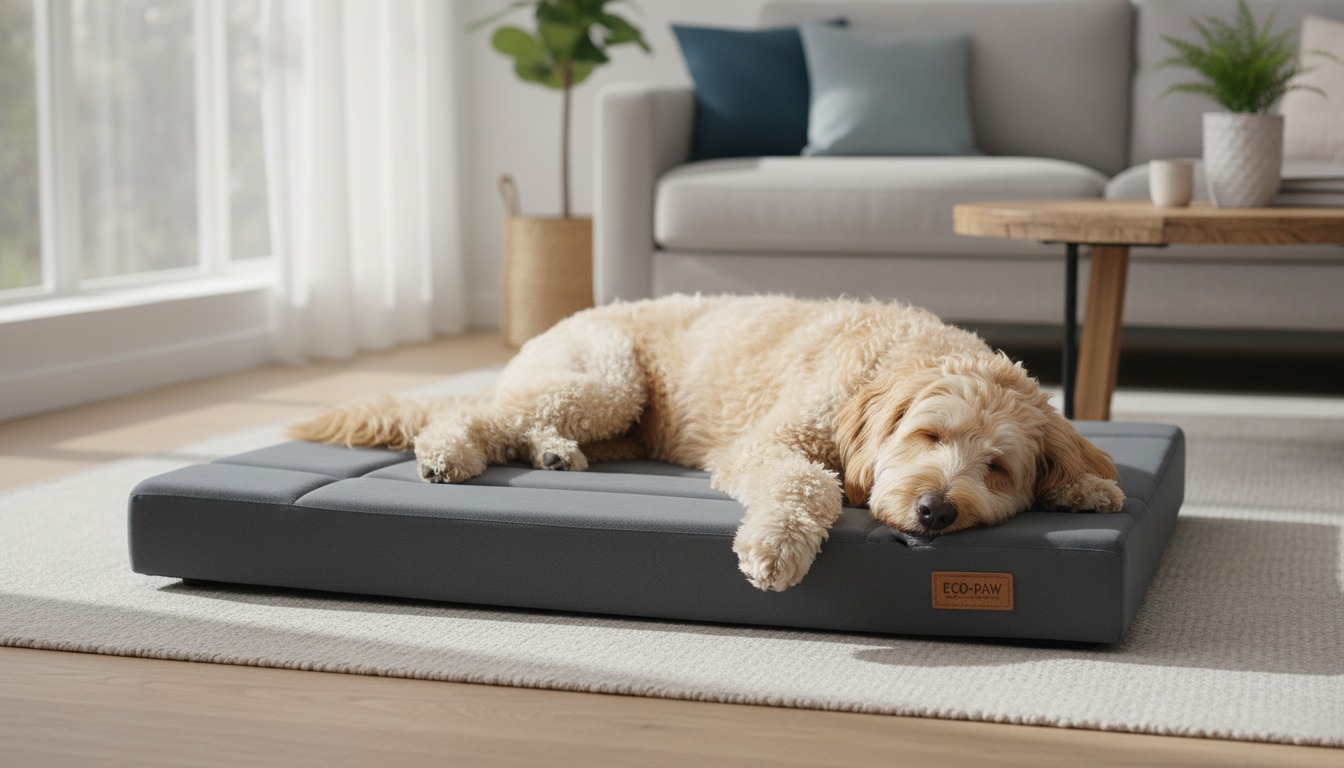
Choosing the best sleeping surface for your dog goes beyond aesthetics—it significantly impacts your pet’s comfort, joint health, and quality of rest. Among the many options, flat beds stand out for their versatile support. But do they truly outperform raised or bolster bed styles for most dogs? This in-depth guide explores the science, expert advice, and practical considerations behind flat beds to help you make a confident choice for your furry friend.
Flat beds offer a low-profile, cushioned surface. They’re available in standard foam, memory foam, or orthopedic high-density materials. These beds evenly spread your dog’s weight, which is especially helpful for dogs who love to sprawl or require pressure relief. Flat, orthopedic versions—like those offered by King Wuff—are intentionally designed for joint care and comfort in small to medium breeds.
Bolster or donut beds feature raised edges that provide emotional comfort, helping anxious dogs feel secure. Raised beds (often elevated off the ground) encourage airflow, which keeps pets cooler in warm climates and protects against cold or damp floors. According to Kuranda Beds’ guide, raised beds are also easier to keep clean and resist pests like dust mites.
Flat orthopedic beds use high-density memory foam to promote even weight distribution, reducing pressure on joints and bones. This design can be critical for:
As explained by JetPet Resort, orthopedic beds are a top vet recommendation for protecting and enhancing long-term mobility in dogs. Veterinarians note that proper support can extend the healthy years of your pet’s life, especially for breeds at risk of joint problems.
Without high edges or steps, flat beds are effortless for older dogs or pets with injuries to enter and leave. This encourages more frequent, restorative rests. Additionally, flat beds—especially with removable, washable covers—simplify cleaning, a plus if your dog is prone to accidents or allergens.
Dogs allowed restful, supported sleep show higher daytime energy and less anxiety, as highlighted by studies referenced in the Sleep Foundation. Orthopedic support is crucial in this context, improving both sleep depth and overall wellbeing.
While flat beds cater well to most lifestyles and medical needs, some dogs benefit from alternatives:
The American Kennel Club suggests always matching bed structure to both your dog’s health and behavioral profile.
| Feature | Flat Orthopedic Beds | Bolster/Donut Beds | Raised/Cot Beds |
|---|---|---|---|
| Support for joints | Excellent (memory foam) | Moderate | Good |
| Ease of access | Best for seniors | May be tricky for arthritic dogs | Easy / moderate (height matters) |
| Temperature control | Good (not optimal for heat) | Can trap heat | Best for cooling |
| Security/Anxiety relief | Neutral | Best – raised edges | Neutral |
| Best for | All ages, joint concerns | Anxious dogs, puppies | Outdoor or hot environments |
Flat orthopedic beds meet the sleeping needs of most dogs—especially seniors or those needing joint support. They’re easy to access, hygienic, and backed by veterinary recommendations. Ultimately, always tailor your choice to your pet’s size, health profile, and preferences.
Ready to give your dog the best rest possible? Browse King Wuff’s premium orthopedic beds and provide your companion with lasting comfort and style.



Leave a comment